Plain-bellied Watersnake
Nerodia erythrogaster
The Plain-bellied Watersnake is a friendly snake that loves to swim! It has a smooth, shiny body that can be brown or gray, and it often hides near water to catch its favorite food, which is fish.
Hábitat: Wetlands
The Plain-bellied Watersnake is a medium to large snake with a striking solid, unmarked belly that can be yellow, orange, or reddish. Its back is typically a uniform brown, gray, or olive, often lacking distinct patterns in adults, which makes it visually different from many banded watersnake species.
Categoría
ReptilesRareza
Common
Peligro
1/5 · Muy bajo
Snaps
¡Sé la primera persona en hacer un snap!
Even though they have "watersnake" in their name, they can climb trees to bask too!
Their bellies can be bright red, orange, or yellow, making them look very fancy!
They give birth to live babies, not eggs, up to 30 at once!
Young Plain-bellied Watersnakes often have faint patterns that disappear as they grow.
Plain-bellied Watersnake can hunt under the water because it can hold its breath, which helps them catch fish and frogs.
Plain-bellied Watersnake has a plain back coloration that helps them blend perfectly with murky water and riverbeds.
Plain-bellied Watersnake can release a strong-smelling musk when threatened, which helps them deter predators.
They are expert hunters, mostly feasting on fish, frogs, and salamanders they catch in the water.
Lithobates catesbeianus
Preys on frogs and their tadpoles.
Lepomis macrochirus
Eats various small fish species.
Alligator mississippiensis
A major predator in their wetland homes.
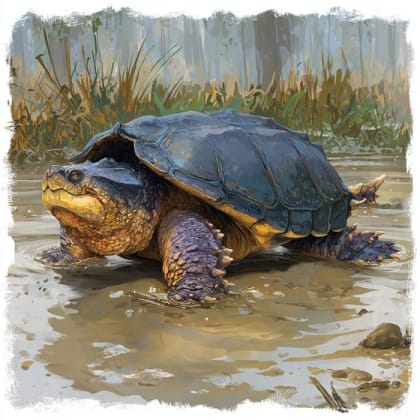
Chelydra serpentina
Large turtles can prey on watersnakes.
Los animales solitarios viven solos durante la mayor parte de su vida y solo interactúan con otros para aparearse o cuidar de sus crías.
El camuflaje describe a los organismos que poseen colores o patrones que les permiten mezclarse con su entorno.
Los organismos piscívoros son animales que subsisten principalmente de una dieta a base de peces.
Este rasgo de hábitat identifica especies que se encuentran en humedales, que son áreas de tierra saturadas de agua, ya sea permanente o estacionalmente, e incluyen marismas, pantanos y ciénagas.

Los hábitats de agua dulce incluyen entornos acuáticos no salinos como ríos, lagos, estanques y humedales, vitales para numerosas especies.

Los animales diurnos están activos principalmente durante el día y suelen descansar o dormir por la noche.
Todavía no hay alias listados.
Peligro
1/5 · Muy bajo
If you see a snake, it's best to watch from a distance and not touch it.
76-150 cm
0.5-1.5 kg
10-15 años
5 km/h
They are expert hunters, mostly feasting on fish, frogs, and salamanders they catch in the water.
4 km/h
Wetlands
Foraging
Acércate para separar los grupos y explorar dónde se ha fotografiado este objeto.
Los snaps recientes aparecerán aquí a medida que se añadan nuevas observaciones.
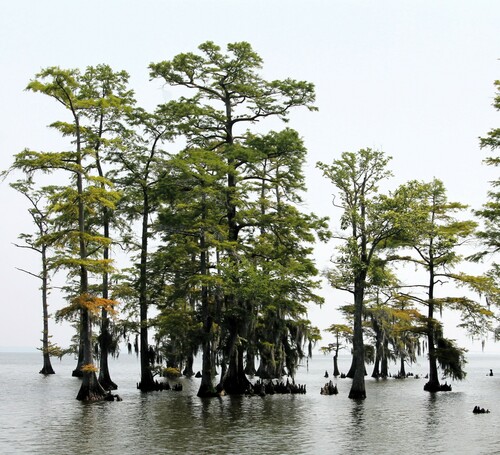
Tennessee, US
Puedes ver Cipreses Calvos, Plain-Bellied Watersnake y Water Tupelo.
Ver guía →
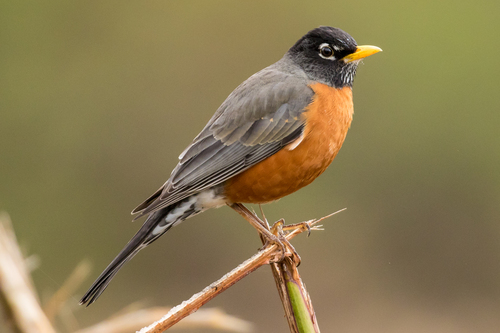
Illinois, US
Puedes ver Petirrojo Americano, Sinsonte Norteño y Yellow-Rumped Warbler.
Ver guía →

North Carolina, US
Puedes ver Cipreses Calvos, Southern Cricket Frog y Green Treefrog.
Ver guía →