
_Peten.jpg&width=800)





Plain Chachalaca
Ortalis vetula
The Plain Chachalaca is a fun bird that loves to make loud sounds! It has a long tail and a brownish body, making it easy to spot in the trees where it lives.
Hábitat: Forests
The Plain Chachalaca is a medium-sized bird with a slender, chicken-like body and a long tail. It has dull gray-brown plumage, darker on the back and lighter on the belly. Rufous primary feathers are visible in flight. Its small head is grayish, sometimes with subtle pale blue bare skin around the eye.
Categoría
AvesRareza
Common
Peligro
1/5 · Muy bajo
Snaps
¡Sé la primera persona en hacer un snap!
Chachalacas sleep perched on high tree branches at night.
Sometimes a whole family group helps raise the chicks!
Their unique "cha-cha-lac-a" call often signals dawn!
They lay eggs with a bumpy, rough shell, unlike most birds!
Plain Chachalaca has extremely powerful vocal cords that allow them to produce loud, raucous calls heard over a kilometer away.
Plain Chachalacas can gracefully hop and run through dense tree branches because of their strong legs and gripping feet.
Plain Chachalacas disperse seeds across the forest because they eat many fruits, helping new plants grow.
This bird mainly enjoys eating fruits, seeds, flowers, and insects it finds in trees and on the ground.
Diferencias por edad: Chicks consume more protein-rich insects initially, gradually transitioning to an adult diet.
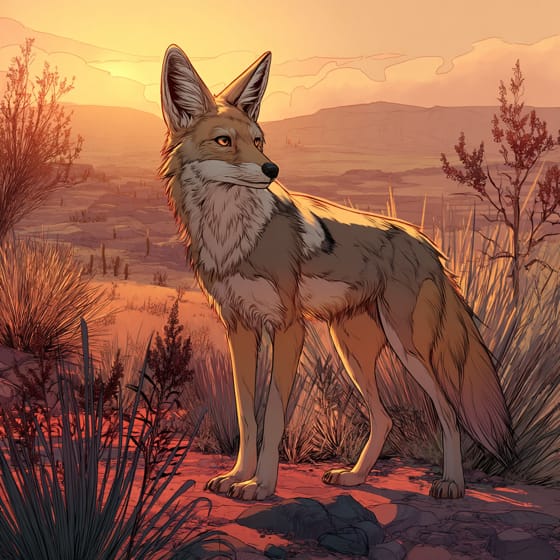
Canis latrans
hunts adults and takes eggs from nests.
.jpg&width=800)
Buteo lineatus
preys on chachalacas from above.
Ficus americana
fruits are a key food source, aids seed dispersal.

Schistocerca nitens
consumes insects for protein, especially chicks.
Describe a los animales, principalmente aves, que poseen una cubierta de plumas.
Los animales sociales viven en grupos organizados, cooperando para obtener beneficios de supervivencia como la búsqueda de alimento, la defensa y la cría de descendencia.
Los animales cantores producen vocalizaciones complejas, a menudo con el propósito de atraer parejas, defender el territorio o comunicarse dentro de su especie.
Los animales arborícolas viven principalmente en los árboles, utilizándolos como refugio, alimento y protección contra los depredadores.

Este rasgo caracteriza a los organismos cuya dieta consiste total o principalmente en material vegetal.

Los hábitats boscosos son entornos terrestres dominados por una densa cubierta arbórea, que sustentan una gran diversidad de vida animal y vegetal.

Los animales diurnos están activos principalmente durante el día y suelen descansar o dormir por la noche.
Todavía no hay alias listados.
Peligro
1/5 · Muy bajo
Enjoy watching birds from a distance, and don't try to touch them.
48-58 cm
60-65 cm
0.4-0.8 kg
8-10 años
35 km/h
This bird mainly enjoys eating fruits, seeds, flowers, and insects it finds in trees and on the ground.
Forests
Foraging
Acércate para separar los grupos y explorar dónde se ha fotografiado este objeto.
Los snaps recientes aparecerán aquí a medida que se añadan nuevas observaciones.











_-_Flickr_-_Lip_Kee.jpg&width=800)
