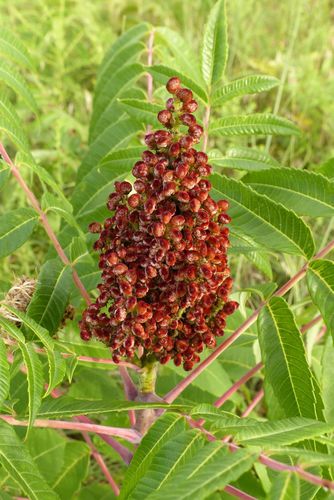
Plume Poppy
macleaya cordata
The Plume Poppy is a tall and graceful plant that grows in gardens and forest edges. Its feathery flower heads sway gently in the breeze, creating a beautiful sight for little explorers.
Hábitat: Plume Poppy typically grows in gardens, woodland edges, and disturbed areas.
The Plume Poppy is a tall, architectural plant featuring striking, deeply lobed leaves that are grey-green above and silvery-white underneath. It produces dramatic, feathery plumes of tiny, cream-white flowers that stand high above its foliage.
Categoría
PlantasRareza
Common
Peligro
1/5 · Muy bajo
Snaps
¡Sé la primera persona en hacer un snap!
Despite its common name, the Plume Poppy isn't a true poppy; it belongs to a different plant family!
Its unique, flattened seed pods look like tiny, silvery hearts and rattle in the breeze when dry.
Some people call it 'Tree Poppy' because it grows so tall, almost like a small tree!
These majestic plants are incredibly fast growers, often shooting up several feet in a single season!
Plume Poppy can spread underground using rhizomes, helping it quickly colonize new areas and form large clumps.
Plume Poppy has a bright orange sap that deters hungry critters, protecting its leaves from being eaten.
Its tall, feathery plumes of flowers reach high, making it easy for pollinators to spot them from afar.
Apis mellifera
attracted to its nectar
Bombus terrestris
visits flowers for pollen
Syrphus ribesii
feeds on nectar and pollen
Colorido describe a organismos u objetos que exhiben una amplia variedad de colores brillantes y distintivos.
Este rasgo caracteriza a los organismos cuya dieta consiste total o principalmente en material vegetal.
Los hábitats boscosos son entornos terrestres dominados por una densa cubierta arbórea, que sustentan una gran diversidad de vida animal y vegetal.
Los animales diurnos están activos principalmente durante el día y suelen descansar o dormir por la noche.

Describe organismos que transfieren polen, permitiendo la fertilización y reproducción de las plantas.
Peligro
1/5 · Muy bajo
Todavía no hay notas especiales de seguridad.
150-300 cm
60-120 cm
0.5-1 cm
Verano
No
Leve
Perenne
Insectos
Acércate para separar los grupos y explorar dónde se ha fotografiado este objeto.
Los snaps recientes aparecerán aquí a medida que se añadan nuevas observaciones.