



Polydamas Swallowtail
Battus polydamas
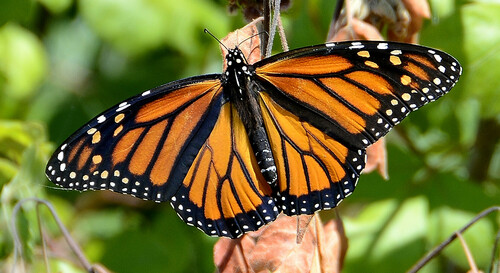
The Polydamas Swallowtail is a beautiful butterfly with striking black and yellow patterns. It flutters gracefully in gardens and forests, bringing joy to everyone who sees it.
Hábitat: Forests
The Polydamas Swallowtail has deep black wings with no 'tails', a unique feature for a swallowtail. Each wing is edged with a bright, iridescent yellow-green band of spots that glow in the sunlight.
Categoría
InsectosRareza
Common
Peligro
1/5 · Muy bajo
Snaps
¡Sé la primera persona en hacer un snap!
Its caterpillars are spiky and colorful, not shy about showing off!
The pupa, or chrysalis, looks like a dead leaf, a master of disguise!
They lay tiny, round, yellow eggs, often in neat clusters.
This butterfly helps flowers make seeds by carrying pollen.
Polydamas Swallowtail has bright warning colors that help them tell predators 'Don't eat me, I taste bad!'
Polydamas Swallowtail can store toxins from the plants they eat as caterpillars, making them poisonous to predators.
Polydamas Swallowtail can taste flowers and leaves with special sensors on their feet to find the perfect meal.
Caterpillars eat toxic leaves, while adult butterflies sip sweet flower nectar.
Diferencias por edad: Larvae eat the leaves of specific toxic plants, while adults drink nectar from various flowers.
Aristolochia elegans
Caterpillars exclusively eat the leaves of this plant.
.jpg&width=800)
Sitta carolinensis
Birds may try to eat the adult butterflies.
.jpg&width=800)
Lantana camara
Adults visit Lantana flowers, helping them reproduce.
Misumena vatia
Flower crab spiders ambush adult butterflies on flowers.
Marcado con bandas paralelas o líneas de color.
Colorido describe a organismos u objetos que exhiben una amplia variedad de colores brillantes y distintivos.
Este rasgo caracteriza a los organismos cuya dieta consiste total o principalmente en material vegetal.
Describe plantas que son particularmente atractivas y beneficiosas para una amplia variedad de organismos polinizadores.

Los hábitats boscosos son entornos terrestres dominados por una densa cubierta arbórea, que sustentan una gran diversidad de vida animal y vegetal.

Este rasgo caracteriza a los organismos con una esperanza de vida excepcionalmente larga en comparación con otros de su especie.

Los animales diurnos están activos principalmente durante el día y suelen descansar o dormir por la noche.

Describe organismos que transfieren polen, permitiendo la fertilización y reproducción de las plantas.
Todavía no hay alias listados.
Peligro
1/5 · Muy bajo
Always watch butterflies from a distance and don't try to catch them.
80-110 mm
30-40 mm
10-30 días
15 km/h
Caterpillars eat toxic leaves, while adult butterflies sip sweet flower nectar.
Forests
Foraging
6
Acércate para separar los grupos y explorar dónde se ha fotografiado este objeto.
Los snaps recientes aparecerán aquí a medida que se añadan nuevas observaciones.