






Porcelain Gray
protoboarmia porcelaria
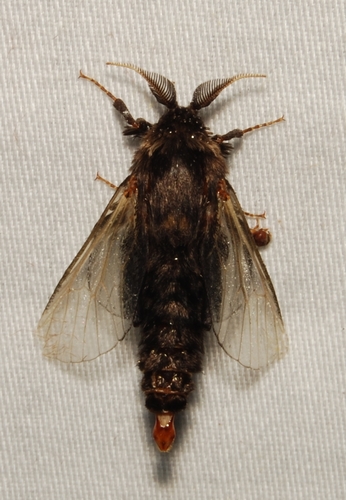
The Porcelain Gray is a tiny, delicate insect that flutters gracefully among the flowers. Its beautiful gray wings look like fine porcelain, making it a special sight in gardens!
Hábitat: Porcelain Grays live in gardens, meadows, and open fields where flowers bloom.
The Porcelain Gray is a small moth, typically pale to dark gray with subtle wavy lines across its wings. Its name comes from the smooth, almost porcelain-like texture, helping it blend perfectly with tree bark. This cryptic coloration makes it hard to spot.
Categoría
InsectosRareza
Common
Peligro
0/5 · Sin peligro conocido
Snaps
¡Sé la primera persona en hacer un snap!
Adult Porcelain Grays can only sip liquids like nectar, they can't chew solid food!
Its caterpillars are called inchworms because they loop their bodies to walk, like measuring!
Some close relatives of this moth have bright green wings, not gray at all!
This moth can fly and be spotted even on chilly nights, unlike many other insects!
Porcelain Gray can disappear against tree bark because its mottled gray wings perfectly mimic lichen, helping them hide from predators.
Porcelain Gray larvae can pretend to be a twig by stiffening their bodies and standing upright, making them nearly invisible to hungry birds.
Porcelain Gray can find mates in the dark using powerful scent receptors on its feathery antennae, guiding it through the night.
Adult moths drink flower nectar, while their caterpillar young munch on tree leaves.
Diferencias por edad: Yes, caterpillars eat leaves, but adult moths only sip nectar.
Cyanocitta cristata
Blue Jays prey on adult moths.
Myotis lucifugus
Bats hunt flying moths at night.
Quercus alba
Caterpillars feed on its leaves.
Betula papyrifera
A host plant for its caterpillars.
Los animales sociales viven en grupos organizados, cooperando para obtener beneficios de supervivencia como la búsqueda de alimento, la defensa y la cría de descendencia.
Colorido describe a organismos u objetos que exhiben una amplia variedad de colores brillantes y distintivos.
Este rasgo caracteriza a los organismos cuya dieta consiste total o principalmente en material vegetal.
Los animales diurnos están activos principalmente durante el día y suelen descansar o dormir por la noche.

Describe organismos que transfieren polen, permitiendo la fertilización y reproducción de las plantas.
Peligro
0/5 · Sin peligro conocido
Todavía no hay notas especiales de seguridad.
25-35 mm
10-15 mm
7-14 días
5-10 km/h
Adult moths drink flower nectar, while their caterpillar young munch on tree leaves.
Porcelain Grays live in gardens, meadows, and open fields where flowers bloom.
Foraging
6
Acércate para separar los grupos y explorar dónde se ha fotografiado este objeto.
Los snaps recientes aparecerán aquí a medida que se añadan nuevas observaciones.




.jpg&width=800)







