.jpg&width=800)





Prunus Miner Bee
Andrena prunorum
The Prunus Miner Bee is a small, friendly bee that loves to visit flowers. They are great pollinators and help plants grow by spreading pollen from one flower to another.
Hábitat: Urban areas, Gardens
The Prunus Miner Bee is a medium-sized bee, covered in dense, light brown to reddish-brown fuzz on its thorax and a black abdomen. It has prominent yellow-orange hairs on its hind legs for carrying pollen, and a slightly iridescent sheen on its wings distinguishing it from common house flies.
Categoría
InsectosRareza
Common
Peligro
1/5 · Muy bajo
Snaps
¡Sé la primera persona en hacer un snap!
Did you know Prunus Miner Bees don't make honey like honeybees do?
Look closely for their sparkly, golden fuzz on their hind legs!
They are called "miner bees" because they dig their own tunnels!
Wow, these amazing bees build tiny apartment-like homes underground for their babies!
Prunus Miner Bee can dig intricate underground tunnels because of its strong front legs that help them create safe nurseries for their young.
Prunus Miner Bee has special fuzzy hairs called scopa on its hind legs that help them collect and transport large amounts of pollen.
Prunus Miner Bee can efficiently pollinate early-blooming fruit trees because of its activity during the precise flowering window.
Prunus Miner Bee has a very calm temperament that helps them safely visit flowers without being aggressive, rarely stinging.
This bee sips nectar for energy and collects pollen to feed its growing babies underground.
Diferencias por edad: Larvae consume pollen provisions left by the mother, while adult bees feed on nectar and pollen.
Prunus domestica
Vital for fruit production of this tree.
Prunus avium
Helps fertilize flowers of wild cherry.
Nomada succincta
Lays eggs in the nests of Prunus Miner Bees.
%2C_Parc_de_Woluw%C3%A9%2C_Brussels_(13042792905).jpg&width=800)
Parus major
Birds may prey on adult bees in flight.
Peludo describe a los animales que poseen una cubierta densa de pelo o pelaje suave.
Los animales sociales viven en grupos organizados, cooperando para obtener beneficios de supervivencia como la búsqueda de alimento, la defensa y la cría de descendencia.
Este rasgo caracteriza a los organismos cuya dieta consiste total o principalmente en material vegetal.
Describe plantas que son particularmente atractivas y beneficiosas para una amplia variedad de organismos polinizadores.

Los animales diurnos están activos principalmente durante el día y suelen descansar o dormir por la noche.

Describe una especie cuya presencia y papel tienen un efecto desproporcionadamente grande en su entorno.

Esta característica de hábitat indica especies que pueden coexistir con los humanos en entornos urbanos y suburbanos, utilizando estructuras artificiales y espacios verdes.

Describe organismos que transfieren polen, permitiendo la fertilización y reproducción de las plantas.
Todavía no hay alias listados.
Peligro
1/5 · Muy bajo
These bees are friendly, but it's best to watch them from a distance.
12-18 mm
8-12 mm
20-40 días
20 km/h
This bee sips nectar for energy and collects pollen to feed its growing babies underground.
Urban areas, Gardens
Foraging
6
Acércate para separar los grupos y explorar dónde se ha fotografiado este objeto.
Los snaps recientes aparecerán aquí a medida que se añadan nuevas observaciones.
South Dakota, US
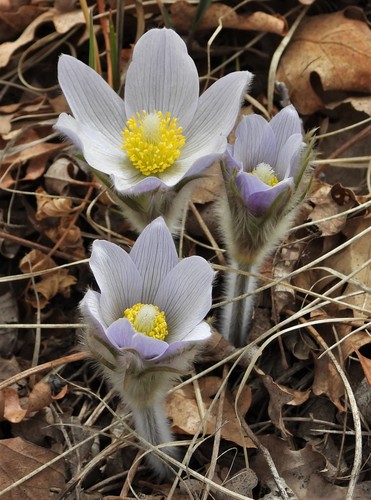
Puedes ver Prairie Pasqueflower, Common Buckthorn y Tatarian Honeysuckle.
Ver guía →

Washington, US
Puedes ver California Bumble Bee, Yellow-Faced Bumble Bee y Autumn Olive.
Ver guía →

British Columbia, CA
Puedes ver Vine Maple, Orange Honeysuckle y Licorice Fern.
Ver guía →