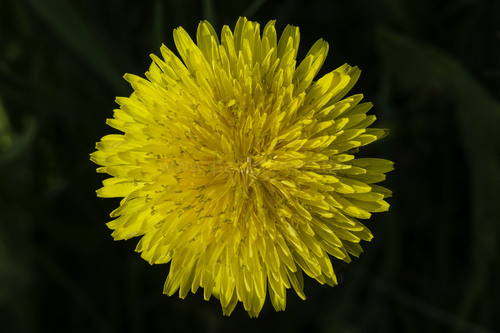
Red-Seeded Dandelion
taraxacum erythrospermum
The Red-Seeded Dandelion is a cheerful flower that loves to grow in sunny places! Its bright yellow petals turn into fluffy white seeds that float away in the wind.
Hábitat: You can find Red-Seeded Dandelions in gardens, parks, and fields.
The Red-Seeded Dandelion is a small plant with deeply lobed, often reddish-tinged leaves in a basal rosette. Its bright yellow flower heads resemble common dandelions but are notable for their brick-red or reddish-brown seeds, distinguishing them visually.
Categoría
PlantasRareza
Common
Peligro
0/5 · Sin peligro conocido
Snaps
¡Sé la primera persona en hacer un snap!
Did you know dandelion flowers follow the sun's path across the sky each day?
Its bright red seeds look like tiny jewels ready for an amazing journey!
Its flowers open in the morning and close at night, like a tiny plant alarm clock!
The milky sap from its stem can be used to remove warts – it's a natural remedy!
Red-Seeded Dandelion has feathery parachutes on its seeds that help it fly far and wide on the wind, spreading its offspring.
It has a deep, strong taproot that helps it find water and nutrients far underground, surviving dry spells and tough soils.
Red-Seeded Dandelion can make perfect copies of itself without needing pollen from another plant, ensuring it can always reproduce.
Apis mellifera
collects nectar and pollen
Bombus impatiens
gathers pollen and nectar
.JPG&width=800)
Sylvilagus floridanus
grazes on its tender leaves
Colorido describe a organismos u objetos que exhiben una amplia variedad de colores brillantes y distintivos.
Este rasgo caracteriza a los organismos cuya dieta consiste total o principalmente en material vegetal.
Los hábitats de pastizales son biomas terrestres dominados por pastos y plantas herbáceas, que sustentan a una variedad de animales de pastoreo.
Describe a los organismos que descomponen la materia orgánica muerta, reciclando los nutrientes de vuelta al ecosistema.

Describe organismos que transfieren polen, permitiendo la fertilización y reproducción de las plantas.
Peligro
0/5 · Sin peligro conocido
Always wash hands after touching plants!
5-30 cm
10-20 cm
2-3 cm
Spring to fall
Sí
Ninguna
Perenne
Insectos
Acércate para separar los grupos y explorar dónde se ha fotografiado este objeto.
Los snaps recientes aparecerán aquí a medida que se añadan nuevas observaciones.