






Roseate Spoonbill
Platalea ajaja
The Roseate Spoonbill is a beautiful bird with bright pink feathers and a unique spoon-shaped bill. They love to wade in shallow waters to find food like fish and insects.
Hábitat: Wetlands
The Roseate Spoonbill has striking bright pink plumage with white on its neck and head, and pale green legs. Its most unique feature is its large, gray, spatulate bill, shaped like a spoon.
Categoría
AvesRareza
Common
Peligro
1/5 · Muy bajo
Snaps
¡Sé la primera persona en hacer un snap!
Baby spoonbills are born with straight bills that only flatten as they grow!
Roseate Spoonbills are related to ibises, which have long, curved bills instead!
The spoonbill's unique bill is actually gray, not pink, even on the pinkest birds!
They often roost together in large groups in trees over water at night for safety.
Roseate Spoonbill can feel tiny movements in the water because its flat bill has sensitive nerve endings, helping it find hidden prey.
Roseate Spoonbill has long legs that allow it to wade in shallow waters, keeping its body dry while searching for food.
Roseate Spoonbill can feed in groups, sweeping their bills side-to-side together to stir up more food for everyone.
These pretty pink birds sweep their unique bills through shallow waters to catch small fish, shrimp, and insects.
Penaeus aztecus
A favorite food for spoonbills.

Gambusia holbrooki
Eats these small fish.
Alligator mississippiensis
Predator of eggs and chicks.

Egretta thula
Shares nesting sites and foraging areas.
Describe a los animales, principalmente aves, que poseen una cubierta de plumas.
Los animales sociales viven en grupos organizados, cooperando para obtener beneficios de supervivencia como la búsqueda de alimento, la defensa y la cría de descendencia.
Colorido describe a organismos u objetos que exhiben una amplia variedad de colores brillantes y distintivos.
Los filtradores obtienen nutrientes filtrando partículas de alimentos suspendidos y pequeños organismos del agua.

Los organismos piscívoros son animales que subsisten principalmente de una dieta a base de peces.

Este rasgo de hábitat identifica especies que se encuentran en humedales, que son áreas de tierra saturadas de agua, ya sea permanente o estacionalmente, e incluyen marismas, pantanos y ciénagas.

Los animales diurnos están activos principalmente durante el día y suelen descansar o dormir por la noche.

Describe una especie cuya presencia y papel tienen un efecto desproporcionadamente grande en su entorno.

Los animales migratorios emprenden movimientos estacionales de una región a otra, típicamente en respuesta a cambios en el clima o la disponibilidad de alimentos.
Peligro
1/5 · Muy bajo
Always watch birds from a distance and be quiet so you don't scare them away.
71-86 cm
120-133 cm
1.2-1.8 kg
10-17 años
65 km/h
These pretty pink birds sweep their unique bills through shallow waters to catch small fish, shrimp, and insects.
Wetlands
Filter Feeding
Acércate para separar los grupos y explorar dónde se ha fotografiado este objeto.
Los snaps recientes aparecerán aquí a medida que se añadan nuevas observaciones.

New York, US
Puedes ver Zorro Rojo, Lobo Gris y Equus Africanus Asinus.
Ver guía →
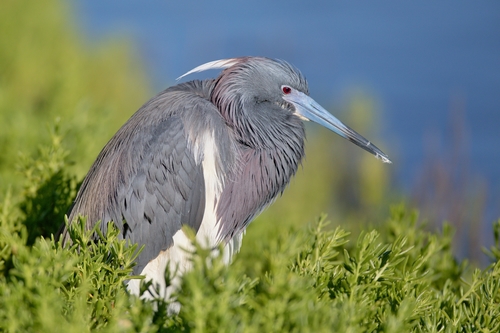
Florida, US
Puedes ver Tricolored Heron, Roseate Spoonbill y Wood Stork.
Ver guía →
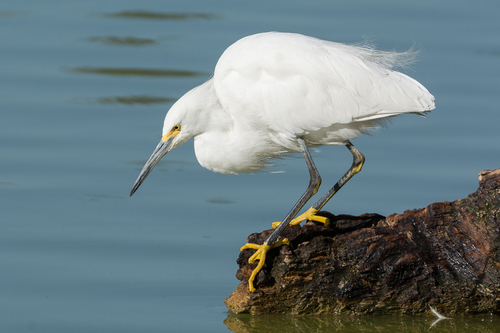
Florida, US
Puedes ver Snowy Egret, Pelícano Pardo y Boat-Tailed Grackle.
Ver guía →

Tennessee, US
Puedes ver León Africano, Jirafas y White Stork.
Ver guía →

Texas, US
Puedes ver Dragón De Komodo, Domestic Bactrian Camel y Spectacled Bear.
Ver guía →

District of Columbia, US
Puedes ver Grevy's Zebra, Eastern Long-Necked Turtle y Sitatunga.
Ver guía →




_(6777353237).jpg&width=800)









