






showy milkweed
Asclepias speciosa
Showy milkweed is a beautiful flower with bright pink blooms. It attracts butterflies and bees, making gardens lively and colorful. This plant is also important for caterpillars, especially monarchs, who love to munch on its leaves!
Hábitat: Grasslands
The showy milkweed has stout stems and large, fuzzy blue-green leaves. Its most distinctive feature is dense, globe-like clusters of star-shaped, rose-pink to purplish flowers that stand out vividly in open spaces.
Categoría
PlantasRareza
Common
Peligro
1/5 · Muy bajo
Snaps
¡Sé la primera persona en hacer un snap!
If you break a leaf, a white, milky liquid oozes out, which is why it's called 'milkweed'!
Its seeds float on silky parachutes, traveling far on the wind to find new homes!
The scientific name, Asclepias, comes from the Greek god of medicine, Asclepius!
The special shape of its flowers can sometimes trap insect legs briefly, ensuring they take pollen!
Showy milkweed has milky, sticky sap that oozes out when damaged, protecting it from hungry herbivores.
This plant has unique flower structures that gently grasp insect legs, ensuring efficient pollen transfer.
Showy milkweed can spread widely using underground stems, helping it survive and colonize new areas.
Danaus plexippus
Caterpillars feed exclusively on its leaves
Bombus impatiens
Visits flowers to collect nectar and pollen
Apis mellifera
Important nectar source for honey production
.jpg&width=800)
Tetraopes tetrophthalmus
Feeds on milkweed leaves and stems
Las plantas caducifolias pierden periódicamente todas sus hojas, por lo general durante el otoño o las estaciones secas.
Las plantas con flores son cualquier planta que produce flores como parte de su ciclo reproductivo.
Las plantas de floración de verano producen sus flores durante la temporada estival, a menudo aportando un color vibrante cuando muchas otras plantas ya han terminado de florecer.
Las flores fragantes emiten un aroma agradable, a menudo para atraer polinizadores o como defensa.

Colorido describe a organismos u objetos que exhiben una amplia variedad de colores brillantes y distintivos.

Describe plantas que son particularmente atractivas y beneficiosas para una amplia variedad de organismos polinizadores.

Los hábitats de pastizales son biomas terrestres dominados por pastos y plantas herbáceas, que sustentan a una variedad de animales de pastoreo.

Describe una especie cuya presencia y papel tienen un efecto desproporcionadamente grande en su entorno.
Todavía no hay alias listados.
Peligro
1/5 · Muy bajo
Always look but don't touch the plants unless a grown-up says it's okay.
30-150 cm
30-60 cm
1-2 cm
Verano
No
Moderada
Perenne
Insectos
Acércate para separar los grupos y explorar dónde se ha fotografiado este objeto.
Los snaps recientes aparecerán aquí a medida que se añadan nuevas observaciones.
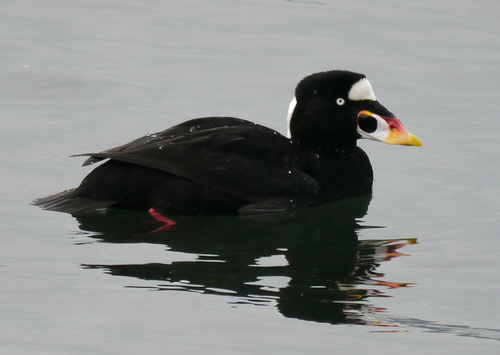
Washington, US
Puedes ver Surf Scoter, Eastern Cottontail y Rosa Silvestre.
Ver guía →

Utah, US
Puedes ver Showy Milkweed y Black-Spotted Lady Beetles.
Ver guía →
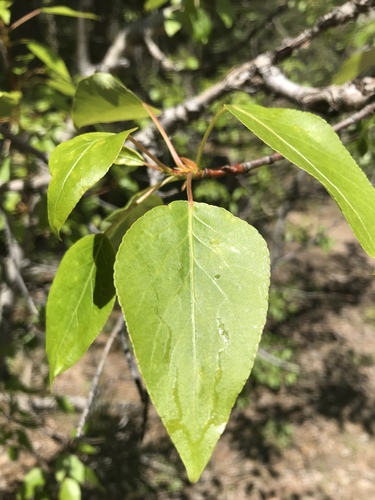
British Columbia, CA
Puedes ver Black Cottonwood, Oregon Grape y Showy Milkweed.
Ver guía →
.jpg)
South Dakota, US
Puedes ver Least Chipmunk, Rocky Mountains Ponderosa Pine y Cabra Montesa.
Ver guía →

Wyoming, US
Puedes ver Perrito De Las Praderas y Bur Oak.
Ver guía →

Montana, US
Puedes ver Borrego Cimarrón y Curlleaf Mountain Mahogany.
Ver guía →








.jpg&width=800)




