




Silver-spotted Skipper
Epargyreus clarus
The Silver-spotted Skipper is a small butterfly with beautiful orange and brown wings. It loves to flutter around flowers and is often seen in sunny places during the summer.
Hábitat: Grasslands
The Silver-spotted Skipper has a sturdy brown body with large, dark brown wings featuring bright orange-gold patches on the forewings. Its most distinctive mark is a large, square, iridescent silver spot on the underside of each hindwing. This silver spot helps distinguish it from other skippers.
Categoría
InsectosRareza
Common
Peligro
1/5 · Muy bajo
Snaps
¡Sé la primera persona en hacer un snap!
Adult skippers spend winter tucked away as caterpillars or pupae, waiting for spring.
Baby Silver-spotted Skippers build tiny leaf tents to stay hidden from hungry birds.
Its flight pattern looks like it's "skipping" through the air, giving it its name!
They use their strong front legs to hold onto flowers while sipping nectar.
Silver-spotted Skippers can fly incredibly fast and erratically because of powerful wing muscles, helping them dodge predators.
Silver-spotted Skippers have a long, tube-like proboscis that helps them reach deep nectar from many flowers.
Caterpillars of the Silver-spotted Skipper can roll a leaf into a shelter, using silk to hide and eat safely.
Adults sip sweet flower nectar, while their caterpillar babies munch on various plant leaves.
Diferencias por edad: Adults drink nectar, while caterpillars munch on leaves.

Robinia pseudoacacia
Larvae eat its leaves for food and shelter.
Passer domesticus
This bird hunts and eats skipper larvae and adults.

Trifolium pratense
Adults visit this flower for nectar, helping its reproduction.
Marcado con manchas o parches de un color diferente.
Colorido describe a organismos u objetos que exhiben una amplia variedad de colores brillantes y distintivos.
Este rasgo caracteriza a los organismos cuya dieta consiste total o principalmente en material vegetal.
Describe plantas que son particularmente atractivas y beneficiosas para una amplia variedad de organismos polinizadores.

Los hábitats de pastizales son biomas terrestres dominados por pastos y plantas herbáceas, que sustentan a una variedad de animales de pastoreo.

Los animales diurnos están activos principalmente durante el día y suelen descansar o dormir por la noche.

Este rasgo identifica a los organismos que exhiben una rapidez excepcional en sus movimientos para cazar, escapar o desplazarse.

Describe organismos que transfieren polen, permitiendo la fertilización y reproducción de las plantas.
Todavía no hay alias listados.
Peligro
1/5 · Muy bajo
Butterflies are friendly and safe to watch, but don't try to catch them.
35-50 mm
15-20 mm
10-14 días
15 km/h
Adults sip sweet flower nectar, while their caterpillar babies munch on various plant leaves.
Grasslands
Foraging
6
Acércate para separar los grupos y explorar dónde se ha fotografiado este objeto.
Los snaps recientes aparecerán aquí a medida que se añadan nuevas observaciones.
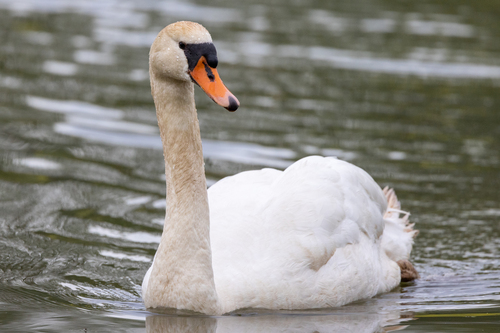
New York, US
Puedes ver Cisne Vulgar, Pato y Gorrión Común.
Ver guía →
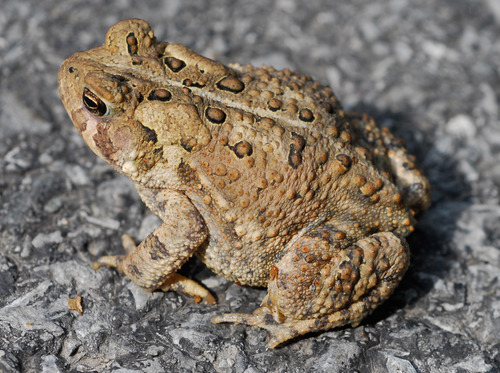
Virginia, US
Puedes ver Sapo Americano, Liquidámbar Americano y Partridgeberry.
Ver guía →

Quebec, CA
Puedes ver Ardilla Gris Oriental, Pato y Marmota.
Ver guía →

District of Columbia, US
Puedes ver Libélula Azul, Fragile Forktail y Slaty Skimmer.
Ver guía →

Tennessee, US
Puedes ver American Coot, Crane-Fly Orchid y Pied-Billed Grebe.
Ver guía →
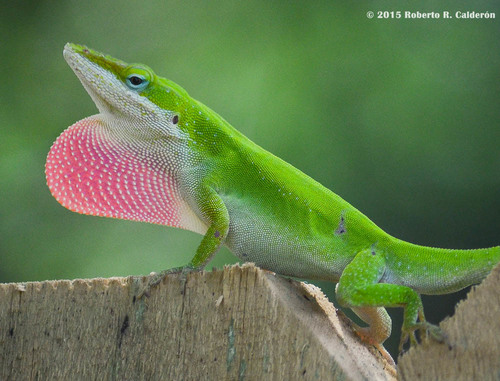
California, US
Puedes ver Anolis Verde, Chinese Privet y Pato Criollo.
Ver guía →




.jpg&width=800)

_-_(imago)%2C_Cape_Cod_(MA)%2C_United_States.jpg&width=800)