.jpg&width=800)





Snowy Plover
Anarhynchus nivosus
The Snowy Plover is a small, cute bird that loves to live on sandy beaches. It has a soft, light-colored body and a tiny beak perfect for finding food in the sand.
Hábitat: Coastal areas
The Snowy Plover is a tiny shorebird with pale, sandy-brown upperparts and bright white underparts. It has a distinctive dark patch on its shoulder, a short dark bill, and dark legs. This light coloring helps it blend perfectly with sandy beaches and salt flats.
Categoría
AvesRareza
Common
Peligro
1/5 · Muy bajo
Snaps
¡Sé la primera persona en hacer un snap!
Chicks hatch ready to run, leaving the nest within hours!
Dad plovers often finish raising chicks after mom flies off.
Their nests are just shallow scrapes in the sand, lined with shells!
These birds love to take dust baths to keep their feathers clean.
Snowy Plovers can disappear into plain sight, using their pale feathers to blend seamlessly with sandy beaches and salt flats.
Snowy Plovers will fake a broken wing to distract predators, leading them away from their precious eggs hidden in the sand.
Snowy Plovers can keep their eggs cool by wetting their belly feathers and sitting on them to protect from sun.
A tiny hunter, it pecks up small insects and marine worms from the sand.
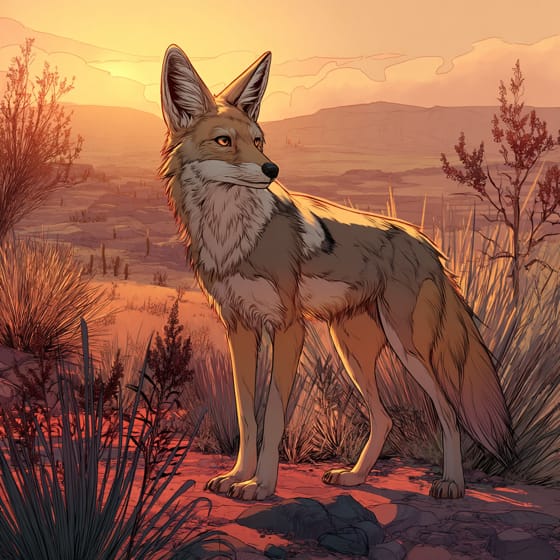
Canis latrans
Eats plover eggs and chicks.
Falco sparverius
Hunts adult plovers and chicks.

Larus californicus
Preys on plover eggs and young.
Describe a los animales, principalmente aves, que poseen una cubierta de plumas.
Este rasgo identifica a los organismos cuya dieta consiste principalmente en insectos y otros pequeños invertebrados.
Los hábitats costeros son entornos dinámicos situados a lo largo de la interfaz entre la tierra y el mar, influenciados por las mareas, las olas y el agua salada.
Los animales diurnos están activos principalmente durante el día y suelen descansar o dormir por la noche.

Este rasgo identifica a los organismos que exhiben una rapidez excepcional en sus movimientos para cazar, escapar o desplazarse.

El estado de protección significa que una especie o área está salvaguardada por medidas legales y esfuerzos de conservación para evitar daños o pérdidas.

El estado de peligro de extinción indica que una especie corre un riesgo muy alto de extinguirse en estado silvestre en un futuro próximo.
Todavía no hay alias listados.
Peligro
1/5 · Muy bajo
Always watch birds from a distance and don't disturb their nests.
15-17 cm
38-43 cm
0.035-0.055 kg
5-10 años
40 km/h
A tiny hunter, it pecks up small insects and marine worms from the sand.
Coastal areas
Foraging
Acércate para separar los grupos y explorar dónde se ha fotografiado este objeto.
Los snaps recientes aparecerán aquí a medida que se añadan nuevas observaciones.
.jpg)
California, US
Puedes ver Long-Billed Curlew, Snowy Plover y Sanderling.
Ver guía →

Florida, US
Puedes ver False Rosemary, Florida Rosemary y Sanderling.
Ver guía →

Florida, US
Puedes ver False Rosemary, Willet y Florida Rosemary.
Ver guía →




_-_Spiekeroog%2C_Nationalpark_Nieders%C3%A4chsisches_Wattenmeer.jpg&width=800)





.jpg&width=800)