






Spicebush Swallowtail
Papilio troilus
The Spicebush Swallowtail is a beautiful butterfly with black wings and bright blue spots. They love to flutter around gardens and forests, making them a delight to see!
Hábitat: Forests
The Spicebush Swallowtail has large, black wings with iridescent blue-green patches, especially on the hindwings. A distinctive row of orange spots lines the lower edges of its wings, which also feature prominent 'tails'. Its caterpillars are bright green with large, convincing false eyespots.
Categoría
InsectosRareza
Common
Peligro
1/5 · Muy bajo
Snaps
¡Sé la primera persona en hacer un snap!
Adult Spicebush Swallowtails 'puddle' for minerals, often in groups on damp ground!
The pupa of this butterfly can change color to perfectly match its surroundings!
Their caterpillars build cozy leaf shelters by folding and silking leaves together to rest inside!
Young caterpillars have fake 'eyes' that make them look like a tiny snake!
Spicebush Swallowtail can look like the toxic Pipevine Swallowtail that helps them scare away predators who avoid foul-tasting prey.
Spicebush Swallowtail has caterpillars that resemble bird droppings, which helps them hide from hungry birds while young.
Spicebush Swallowtail can scare predators by extending an orange, foul-smelling osmeterium from its head when threatened.
Caterpillars munch on leaves, while adult butterflies sip sweet flower nectar from many plants.
Diferencias por edad: Larvae eat leaves of host plants, but adults drink nectar from various flowers.
Lindera benzoin
Main host plant for its caterpillars.

Sassafras albidum
An alternative host plant for its caterpillars.

Asclepias syriaca
Adults feed on its nectar, aiding pollination.
Cyanocitta cristata
Birds, like jays, are common predators of this butterfly.
Marcado con manchas o parches de un color diferente.
Los animales solitarios viven solos durante la mayor parte de su vida y solo interactúan con otros para aparearse o cuidar de sus crías.
Colorido describe a organismos u objetos que exhiben una amplia variedad de colores brillantes y distintivos.
Este rasgo caracteriza a los organismos cuya dieta consiste total o principalmente en material vegetal.

Describe plantas que son particularmente atractivas y beneficiosas para una amplia variedad de organismos polinizadores.

Los hábitats boscosos son entornos terrestres dominados por una densa cubierta arbórea, que sustentan una gran diversidad de vida animal y vegetal.

Los animales diurnos están activos principalmente durante el día y suelen descansar o dormir por la noche.

Describe organismos que transfieren polen, permitiendo la fertilización y reproducción de las plantas.
Peligro
1/5 · Muy bajo
Always watch butterflies from a distance and don't try to catch them.
90-130 mm
30-40 mm
6-14 días
15 km/h
Caterpillars munch on leaves, while adult butterflies sip sweet flower nectar from many plants.
Forests
Foraging
6
Acércate para separar los grupos y explorar dónde se ha fotografiado este objeto.
Los snaps recientes aparecerán aquí a medida que se añadan nuevas observaciones.
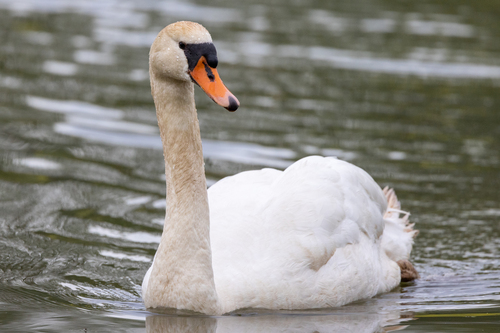
New York, US
Puedes ver Cisne Vulgar, Pato y Gorrión Común.
Ver guía →
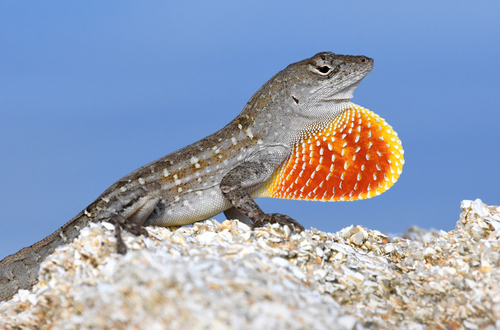
Texas, US
Puedes ver Anolis Castaño, Ardilla Gris Oriental y Abeja.
Ver guía →

Pennsylvania, US
Puedes ver Rana Toro Americana, Allegheny Monkeyflower y Partridgeberry.
Ver guía →

Pennsylvania, US
Puedes ver Hemlock Varnish Shelf, Laurel De Montaña y Cinnamon Fern.
Ver guía →
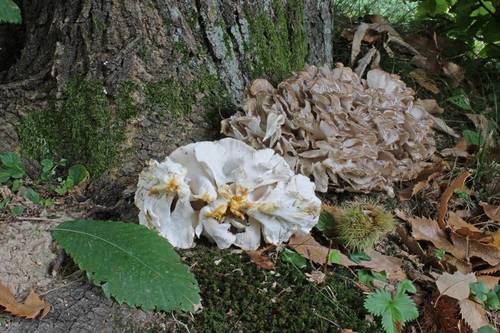
Virginia, US
Puedes ver Gallina De Los Bosques, Roble Blanco y Harlequin Glorybower.
Ver guía →




.jpg&width=800)







