Spruce Grouse
Canachites canadensis
The Spruce Grouse is a fluffy bird that loves to hide among the trees. With its brown feathers, it blends in perfectly with the forest, making it a master of camouflage!
Hábitat: Forests
The Spruce Grouse has mottled brown and black plumage, providing excellent camouflage in coniferous forests. Males feature a distinct black chest, white flank markings, and a bright red comb above their eyes, setting them apart.
Categoría
AvesRareza
Common
Peligro
1/5 · Muy bajo
Snaps
¡Sé la primera persona en hacer un snap!
Male Spruce Grouse make a unique wing-rattling sound to attract mates.
Their feet are naturally feathered to act like snowshoes!
They sometimes swallow grit to help grind up tough conifer needles in their gizzard.
When scared, they often 'freeze' instead of flying, trusting their camouflage.
Spruce Grouse can digest tough conifer needles all winter because of specialized gut bacteria that break down cellulose.
Spruce Grouse has mottled feather patterns that help them blend perfectly into the forest floor, making them incredibly hard to spot.
Spruce Grouse can find food in deep snow because they eat the abundant needles and buds of spruce and fir trees.
They mainly munch on tough needles and twigs from evergreen trees, especially in winter.
Diferencias por edad: Young chicks primarily eat insects; adults mostly consume conifer needles and buds.
Accipiter gentilis
Northern Goshawks prey on Spruce Grouse in dense forest habitats.
.jpg&width=800)
Martes americana
Martens hunt ground-nesting birds like the Spruce Grouse and their eggs.
Picea glauca
Provides essential needles for food and dense cover for nesting.
Pinus contorta
Spruce Grouse eat the needles and buds of this abundant pine.

Vaccinium vitis-idaea
Spruce Grouse consume these nutritious berries in summer.
Describe a los animales, principalmente aves, que poseen una cubierta de plumas.
Los animales solitarios viven solos durante la mayor parte de su vida y solo interactúan con otros para aparearse o cuidar de sus crías.
El camuflaje describe a los organismos que poseen colores o patrones que les permiten mezclarse con su entorno.
Este rasgo caracteriza a los organismos cuya dieta consiste total o principalmente en material vegetal.

Los hábitats boscosos son entornos terrestres dominados por una densa cubierta arbórea, que sustentan una gran diversidad de vida animal y vegetal.

Los animales diurnos están activos principalmente durante el día y suelen descansar o dormir por la noche.
Todavía no hay alias listados.
Peligro
1/5 · Muy bajo
If you see a bird, watch quietly from a distance and don't try to touch it.
38-48 cm
53-64 cm
0.45-0.65 kg
3-5 años
50 km/h
They mainly munch on tough needles and twigs from evergreen trees, especially in winter.
Forests
Foraging
Acércate para separar los grupos y explorar dónde se ha fotografiado este objeto.
Los snaps recientes aparecerán aquí a medida que se añadan nuevas observaciones.

British Columbia, CA
Puedes ver Subalpine Larch, Arrowleaf Senecio y Moss Campion.
Ver guía →

British Columbia, CA
Puedes ver Common Golden-Mantled Ground Squirrel y Giant Red Paintbrush.
Ver guía →
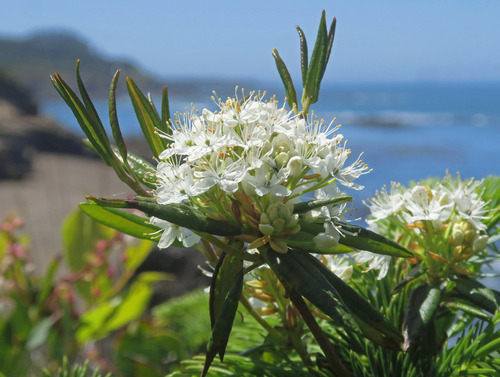
British Columbia, CA
Puedes ver Western Labrador Tea, Grouse Whortleberry y Pino Contorta.
Ver guía →