






Turfgrass Ant
lasius neoniger
Turfgrass ants are tiny but mighty! They work together in big groups to build their homes underground.
Hábitat: They live in gardens, lawns, and grassy areas.
The Turfgrass Ant is a small, dark brown to black insect with a shiny, compact body. Its uniform dark color helps it blend in with soil, making it distinct from ants with multiple colors or fuzzier bodies.
Categoría
InsectosRareza
Common
Peligro
1/5 · Muy bajo
Snaps
¡Sé la primera persona en hacer un snap!
A single queen can live over 15 years, starting huge colonies!
Ants often 'dance' with their antennae to greet and recognize friends.
Their nests can dive several feet deep to escape winter's chill.
They 'milk' tiny insects called aphids for a sugary liquid treat.
Turfgrass Ant can survive freezing temperatures by digging deep underground to hibernate through winter.
Turfgrass Ant has a special "farming" skill that helps them protect aphids for their sweet honeydew.
Turfgrass Ant can communicate using invisible scent trails that helps them find food and guide nestmates.
Turfgrass Ant can build vast underground tunnels that help aerate the soil and create safe homes.
Mainly enjoys sweet aphid honeydew, but also eats tiny insects and seeds.
Aphis fabae
tends for honeydew
Rhopalosiphum maidis
protects aphid colonies on corn
Spodoptera frugiperda
preys on larvae for protein
.jpg&width=800)
Dendroica coronata
is a food source for birds
Los animales sociales viven en grupos organizados, cooperando para obtener beneficios de supervivencia como la búsqueda de alimento, la defensa y la cría de descendencia.
Los animales excavadores cavan túneles y cámaras en el suelo y utilizan estas estructuras subterráneas para refugiarse, cazar o reproducirse.
Los hábitats de pastizales son biomas terrestres dominados por pastos y plantas herbáceas, que sustentan a una variedad de animales de pastoreo.
Describe a los organismos que descomponen la materia orgánica muerta, reciclando los nutrientes de vuelta al ecosistema.

Los animales diurnos están activos principalmente durante el día y suelen descansar o dormir por la noche.
Peligro
1/5 · Muy bajo
Todavía no hay notas especiales de seguridad.
2-9 mm
365-7300 días
Mainly enjoys sweet aphid honeydew, but also eats tiny insects and seeds.
They live in gardens, lawns, and grassy areas.
Foraging
6
50000
Acércate para separar los grupos y explorar dónde se ha fotografiado este objeto.
Los snaps recientes aparecerán aquí a medida que se añadan nuevas observaciones.
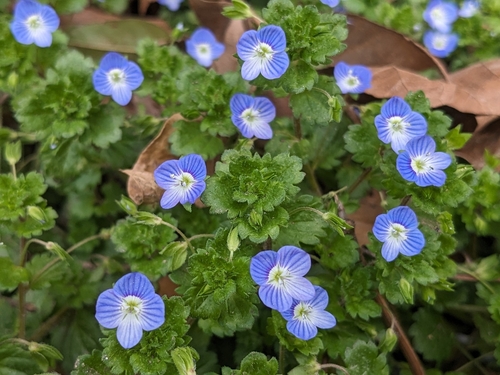
Virginia, US
Puedes ver Bird's-Eye Speedwell, Mulberries y Hairy-Headed Acrobat Ant.
Ver guía →
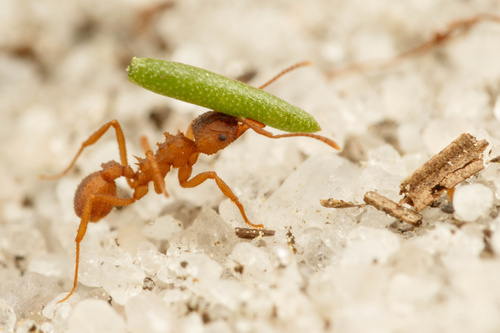
New York, US
Puedes ver Northern Fungus-Farming Ant, Bronzed Tiger Beetle y Gallberry.
Ver guía →














_mating_2.jpg&width=800)
