






Vancouver Bumble Bee
Bombus vancouverensis
The Vancouver Bumble Bee is a fuzzy little insect that loves to buzz around flowers. They help plants grow by spreading pollen, making them super important for nature!
Hábitat: Urban areas
The Vancouver Bumble Bee is a medium-sized, fuzzy bee with a distinct pattern of black and bright yellow bands across its body. It has a notable reddish-orange patch on the tip of its abdomen. This coloring helps differentiate it from other dark bumble bees in its range.
Categoría
InsectosRareza
Common
Peligro
1/5 · Muy bajo
Snaps
¡Sé la primera persona en hacer un snap!
Queen Vancouver Bumble Bees hibernate alone underground all winter before starting a new colony.
These busy bees visit hundreds of flowers daily, helping plants grow fruits and seeds!
They have long tongues, perfect for sipping nectar from deep inside many different kinds of flowers.
Unlike honey bees, Vancouver Bumble Bees make only small amounts of honey, just enough for their colony.
Vancouver Bumble Bee can vibrate its flight muscles to shake pollen out of flowers, like a mini earthquake, because it helps them collect more food.
Vancouver Bumble Bee has a fuzzy body that traps warmth and helps it fly in cooler weather, giving it an advantage over many other insects.
Vancouver Bumble Bee can remember the best flower patches and efficient routes because it helps them find food quickly for the colony.
They drink sugary nectar for energy and gather protein-rich pollen to feed their growing family.

Trifolium pratense
Vital for the plant's seed production.
Lupinus polyphyllus
Helps these tall flowers produce new seeds.
Misumena vatia
An ambush predator hidden in flowers.
Bombus insularis
Lays its eggs in the Vancouver Bumble Bee's nest.
Peludo describe a los animales que poseen una cubierta densa de pelo o pelaje suave.
Los animales sociales viven en grupos organizados, cooperando para obtener beneficios de supervivencia como la búsqueda de alimento, la defensa y la cría de descendencia.
Este rasgo caracteriza a los organismos cuya dieta consiste total o principalmente en material vegetal.
Describe plantas que son particularmente atractivas y beneficiosas para una amplia variedad de organismos polinizadores.

Los animales diurnos están activos principalmente durante el día y suelen descansar o dormir por la noche.

Describe una especie cuya presencia y papel tienen un efecto desproporcionadamente grande en su entorno.

Esta característica de hábitat indica especies que pueden coexistir con los humanos en entornos urbanos y suburbanos, utilizando estructuras artificiales y espacios verdes.

Describe organismos que transfieren polen, permitiendo la fertilización y reproducción de las plantas.
Todavía no hay alias listados.
Peligro
1/5 · Muy bajo
Bumble bees are usually friendly, but it's best to watch them from a distance.
15-40 mm
9-20 mm
15-45 días
10-20 km/h
They drink sugary nectar for energy and gather protein-rich pollen to feed their growing family.
Urban areas
Foraging
6
Acércate para separar los grupos y explorar dónde se ha fotografiado este objeto.
Los snaps recientes aparecerán aquí a medida que se añadan nuevas observaciones.

British Columbia, CA
Puedes ver Broad-Leaved Stonecrop, Foca Común y Ochre Sea Star.
Ver guía →
British Columbia, CA
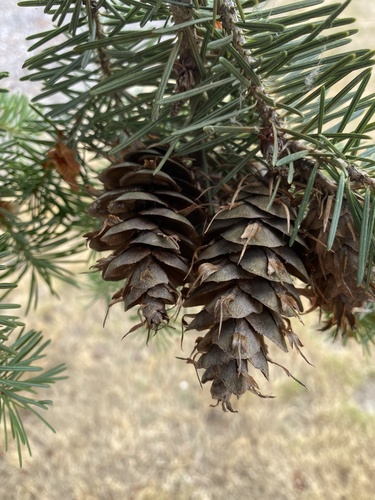
Puedes ver Abeto De Douglas, Purple Foxglove y Oregon Oak.
Ver guía →
British Columbia, CA
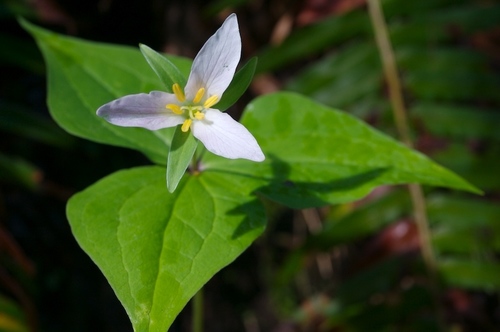
Puedes ver Pacific Trillium, Vanilla Leaf y Japanese Knotweed.
Ver guía →

Washington, US
Puedes ver Oregon Oak, Pacific Madrone y Fairy-Slipper.
Ver guía →

British Columbia, CA
Puedes ver Barnacla Canadiense, Oregon Oak y Golondrina Común.
Ver guía →

British Columbia, CA
Puedes ver Abeto De Douglas, Oregon Oak y Purple Foxglove.
Ver guía →












_Caterpillar_(7571203452).jpg&width=800)