






Veiny Pea
lathyrus venosus
The Veiny Pea is a fun and colorful plant that grows in the wild! Its unique veined leaves and beautiful flowers make it a special plant to discover in nature.
Hábitat: Fields, roadsides, and open areas.
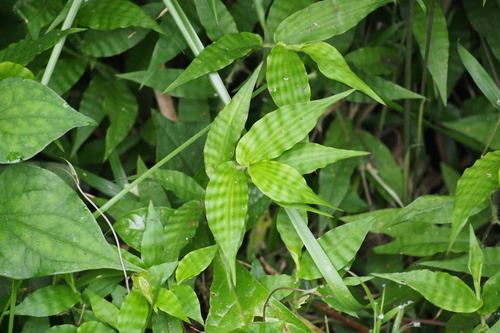
The Veiny Pea is a vibrant climbing vine, reaching upwards with its distinctively ribbed, oval leaves. Its showy purple-pink flowers bloom in clusters, each petal often displaying darker veins, making it stand out from typical green foliage.
Categoría
PlantasRareza
Common
Peligro
0/5 · Sin peligro conocido
Snaps
¡Sé la primera persona en hacer un snap!
Its scientific name, 'Lathyrus venosus', means "veined pea," a nod to its prominent leaf veins!
Native American tribes historically used parts of this pea plant for various traditional purposes.
The flowers often change color slightly as they age, deepening from purplish-pink to a bluer hue!
This plant is a wild cousin of the garden sweet pea, sharing a similar, beautiful flower shape.
Veiny Pea can grab onto nearby plants or structures with its clever tendrils that help it climb skyward for sunlight.
Veiny Pea has special root nodules that house tiny helpers to pull nitrogen from the air, making the soil richer for itself.
Veiny Pea can pop open its dry seed pods to scatter seeds far away, helping new plants grow in different places.
Odocoileus virginianus
Graze on its foliage.

Bombus impatiens
Visits flowers for nectar and pollen.
Rhizobium leguminosarum
Shares nitrogen with root nodules.

Celastrina neglecta
Larvae feed on its leaves and flowers.
Los animales solitarios viven solos durante la mayor parte de su vida y solo interactúan con otros para aparearse o cuidar de sus crías.
Colorido describe a organismos u objetos que exhiben una amplia variedad de colores brillantes y distintivos.
Este rasgo caracteriza a los organismos cuya dieta consiste total o principalmente en material vegetal.
Los hábitats de pastizales son biomas terrestres dominados por pastos y plantas herbáceas, que sustentan a una variedad de animales de pastoreo.

Describe organismos que transfieren polen, permitiendo la fertilización y reproducción de las plantas.
Peligro
0/5 · Sin peligro conocido
Todavía no hay notas especiales de seguridad.
90-180 cm
1-2 cm
Spring to summer
No
Leve
Perenne
Insectos
Fields, roadsides, and open areas.
Acércate para separar los grupos y explorar dónde se ha fotografiado este objeto.
Los snaps recientes aparecerán aquí a medida que se añadan nuevas observaciones.














.jpg&width=800)

