
.jpg&width=800)





Vermilion Flycatcher
Pyrocephalus rubinus
The Vermilion Flycatcher is a bright red bird that loves to catch insects in mid-air. It has a cheerful song and can often be seen perched on low branches, looking for tasty treats.
Hábitat: Open areas with trees
The Vermilion Flycatcher is a small bird, famous for the male's incredibly vibrant, fiery red body and crest, sharply contrasted by a dark mask and wings. Females are much plainer, with a dusky brown back and streaks on their white or pale yellow belly.
Categoría
AvesRareza
Common
Peligro
1/5 · Muy bajo
Snaps
¡Sé la primera persona en hacer un snap!
Baby Vermilion Flycatchers look nothing like their dad, with streaky feathers.
Males often perform a special "flutter-flight" display to impress potential mates.
Their scientific name, "Pyrocephalus rubinus," means "fire-headed ruby"!
These tiny birds are known to fearlessly chase much larger birds from their nest.
The male's brilliant red plumage attracts mates and warns rivals, helping them establish territory and find a partner.
They have a clear, cheerful song and often perch on exposed branches, acting as a watchful guardian over their territory.
These tiny birds are expert bug hunters, snatching flying insects right out of the air!
Accipiter cooperii
Adults and fledglings are prey for larger birds of prey.
.jpg&width=800)
Molothrus ater
Cowbirds sometimes lay their eggs in flycatcher nests.
Apis mellifera
Vermilion Flycatchers prey on flying insects like bees.
Salix gooddingii
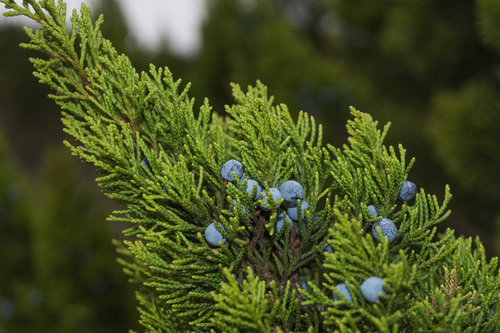
Often nests in riparian trees like willows for shelter.
Describe a los animales, principalmente aves, que poseen una cubierta de plumas.
Los animales sociales viven en grupos organizados, cooperando para obtener beneficios de supervivencia como la búsqueda de alimento, la defensa y la cría de descendencia.
Las criaturas aéreas pasan una parte importante de su vida en el aire, utilizando el vuelo para diversas actividades como la caza, la migración o la anidación.
Los animales cantores producen vocalizaciones complejas, a menudo con el propósito de atraer parejas, defender el territorio o comunicarse dentro de su especie.

Colorido describe a organismos u objetos que exhiben una amplia variedad de colores brillantes y distintivos.

Este rasgo identifica a los organismos cuya dieta consiste principalmente en insectos y otros pequeños invertebrados.

Los hábitats de pastizales son biomas terrestres dominados por pastos y plantas herbáceas, que sustentan a una variedad de animales de pastoreo.

Los animales diurnos están activos principalmente durante el día y suelen descansar o dormir por la noche.

Esta característica de hábitat indica especies que pueden coexistir con los humanos en entornos urbanos y suburbanos, utilizando estructuras artificiales y espacios verdes.
Todavía no hay alias listados.
Peligro
1/5 · Muy bajo
Enjoy watching birds from a distance and don't try to touch them.
13-14 cm
24-27 cm
0.01-0.014 kg
3-8 años
40 km/h
These tiny birds are expert bug hunters, snatching flying insects right out of the air!
Open areas with trees
Pursuit
Acércate para separar los grupos y explorar dónde se ha fotografiado este objeto.
Los snaps recientes aparecerán aquí a medida que se añadan nuevas observaciones.







.jpg&width=800)




