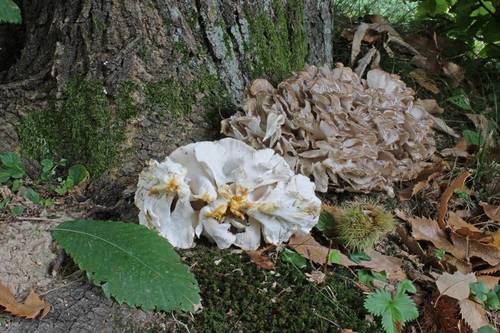
water oak
Quercus nigra
The water oak is a tall tree that loves to grow near water. Its leaves are shaped like fingers, and in the fall, they turn beautiful colors before falling off.
Hábitat: Wetlands
The water oak has distinctive spatula-shaped or diamond-like green leaves that often shimmer in the sunlight. Its bark starts smooth and dark, gradually developing furrows with age. Unlike many oaks, it often holds onto some leaves through winter, giving it a semi-evergreen appearance.
Categoría
PlantasRareza
Common
Peligro
1/5 · Muy bajo
Snaps
¡Sé la primera persona en hacer un snap!
Its super speedy growth makes it a favorite for city planting!
Many animals, like squirrels, love to munch on its tiny acorns!
This amazing tree can live for over 100 years, watching generations pass by!
Water oak wood is very strong and was once used to build sturdy ships!
The water oak can thrive in wet soils because it tolerates low oxygen, allowing it to grow where other trees cannot.
It often retains some green leaves through winter, giving it a head start on photosynthesis when spring arrives.
Water oaks grow quickly, helping them reach sunlight and establish themselves faster than many other forest trees.
Sciurus carolinensis
Feasts on the nutritious acorns
Odocoileus virginianus
Browses on its leaves and twigs

Melanerpes carolinus
Nests in tree cavities and forages
Dryocosmus quercuspalustris
Lays eggs causing round galls on leaves
Las plantas caducifolias pierden periódicamente todas sus hojas, por lo general durante el otoño o las estaciones secas.
Las plantas tolerantes a la sombra están adaptadas para crecer y prosperar en áreas con bajos niveles de luz, requiriendo menos luz solar directa.
Los árboles de hoja ancha son angiospermas caracterizadas por hojas planas y anchas que típicamente se caen anualmente en climas templados.
Los colores otoñales se refieren al cambio estacional en la pigmentación del follaje, principalmente en plantas de hoja caduca, mostrando tonos vibrantes.

Las plantas de crecimiento rápido exhiben tasas de crecimiento aceleradas, aumentando rápidamente de tamaño y biomasa en un corto período de tiempo.

Se refiere a la madera que ha sido preparada para su uso en la construcción y la carpintería.

Este rasgo de hábitat identifica especies que se encuentran en humedales, que son áreas de tierra saturadas de agua, ya sea permanente o estacionalmente, e incluyen marismas, pantanos y ciénagas.

Describe una especie cuya presencia y papel tienen un efecto desproporcionadamente grande en su entorno.
Todavía no hay alias listados.
Peligro
1/5 · Muy bajo
Stay away from the base of the tree and watch for falling branches.
1000-2500 cm
900-1500 cm
1-5 cm
Primavera
No
Leve
Perenne
Viento
Acércate para separar los grupos y explorar dónde se ha fotografiado este objeto.
Los snaps recientes aparecerán aquí a medida que se añadan nuevas observaciones.