






Western Red-backed Salamander
Plethodon vehiculum
The Western Red-backed Salamander is a small, colorful creature that loves to hide under rocks and logs. They are great at blending in with their surroundings and are often found in moist forests.
Hábitat: Forests
The Western Red-backed Salamander is a slender amphibian with a prominent red, orange, or yellow stripe running down its back from head to tail. Its sides are typically dark brown or black, sharply contrasting with the dorsal stripe. The belly is usually mottled light and dark, giving it a camouflaged appearance.
Categoría
AnfibiosRareza
Common
Peligro
1/5 · Muy bajo
Snaps
¡Sé la primera persona en hacer un snap!
Female Western Red-backed Salamanders often guard their eggs until they hatch into tiny salamanderlets!
These salamanders lay their eggs on land, not in water, unlike most amphibians!
They are excellent pest controllers for tiny forest bugs, keeping insect populations balanced!
They can live for over 10 years in the wild, which is a very long time for a small salamander!
Western Red-backed Salamander has a special tail that it can drop off if a predator grabs it, helping them escape to safety.
Western Red-backed Salamander can hide from hungry predators by blending perfectly with leaves and soil, because its colors match the forest floor.
Western Red-backed Salamander can leave special scent messages for other salamanders, helping them claim territory.
They munch on tiny insects and other small invertebrates they find on the forest floor.
Thamnophis sirtalis
A common predator in its forest habitat.
Corvus brachyrhynchos
Birds may prey on salamanders found on the forest floor.
Sorex cinereus
Small mammals are known predators of salamanders.

Arion ater
Salamanders feed on small invertebrates like slugs.
Los animales solitarios viven solos durante la mayor parte de su vida y solo interactúan con otros para aparearse o cuidar de sus crías.
El camuflaje describe a los organismos que poseen colores o patrones que les permiten mezclarse con su entorno.
Colorido describe a organismos u objetos que exhiben una amplia variedad de colores brillantes y distintivos.
Este rasgo identifica a los organismos cuya dieta consiste principalmente en insectos y otros pequeños invertebrados.

Los hábitats boscosos son entornos terrestres dominados por una densa cubierta arbórea, que sustentan una gran diversidad de vida animal y vegetal.

Describe a los organismos que descomponen la materia orgánica muerta, reciclando los nutrientes de vuelta al ecosistema.

Describe una especie cuya presencia y papel tienen un efecto desproporcionadamente grande en su entorno.
Los organismos regenerativos poseen la capacidad de volver a desarrollar partes del cuerpo, tejidos u órganos perdidos o dañados.

Los animales nocturnos están principalmente activos durante la noche, y suelen descansar o dormir durante el día.
Todavía no hay alias listados.
Peligro
1/5 · Muy bajo
Always look, but don't touch! Some salamanders can be sensitive to our skin oils.
4-12 cm
0.001-0.005 kg
5-10 años
0.2 km/h
They munch on tiny insects and other small invertebrates they find on the forest floor.
Forests
Foraging
3-17
Acércate para separar los grupos y explorar dónde se ha fotografiado este objeto.
Los snaps recientes aparecerán aquí a medida que se añadan nuevas observaciones.
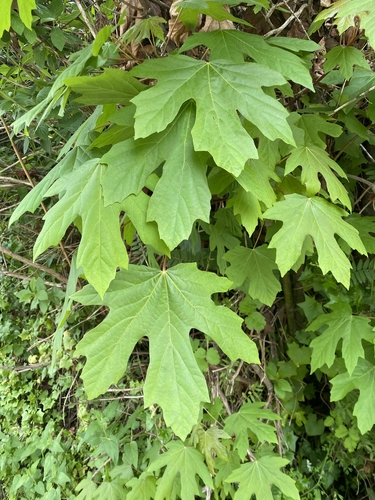
British Columbia, CA
Puedes ver Bigleaf Maple, Western Sword Fern y Vanilla Leaf.
Ver guía →

British Columbia, CA
Puedes ver Western Skunk Cabbage, Western Sword Fern y Matamoscas.
Ver guía →

British Columbia, CA
Puedes ver Herb Robert, Western Redcedar y Thimbleberry.
Ver guía →
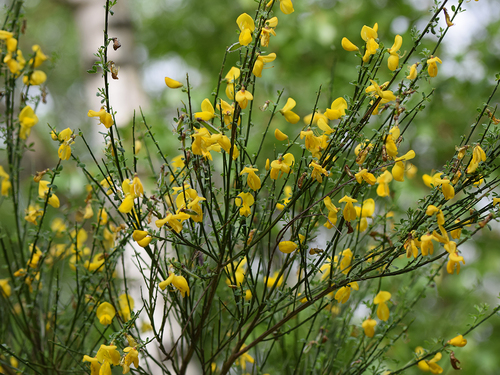
British Columbia, CA
Puedes ver Scotch Broom, Pacific Trillium y Fringe Cups.
Ver guía →

British Columbia, CA
Puedes ver Barnacla Canadiense, Oregon Oak y Golondrina Común.
Ver guía →

British Columbia, CA
Puedes ver Ochre Sea Star, Babosa Banana y Aggregating Anemone.
Ver guía →












