_001.jpg&width=800)





western sword fern
Polystichum munitum
The western sword fern has long, green leaves that look like swords! It grows in shady places and is a great plant for making forests look beautiful.
Hábitat: Forests
The western sword fern has stiff, upright fronds, often reaching over a meter tall. Its dark green, leathery leaflets are distinctively sword-shaped, with tiny 'ears' at their base, giving it a rough, saw-toothed edge.
Categoría
PlantasRareza
Common
Peligro
1/5 · Muy bajo
Snaps
¡Sé la primera persona en hacer un snap!
Indigenous peoples historically used its roots for food after roasting, like small potatoes!
Its fronds can grow up to two meters long, making it one of the largest ferns in its range!
Look closely for tiny bumps on the underside of old fronds; these are sori, where spores are made!
Some western sword ferns can live for over 100 years, a true forest elder!
Western sword fern can reproduce using tiny spores, invisible to the eye, spreading new ferns far and wide without seeds!
Western sword fern has strong, leathery fronds that help it survive dry spells and protect against hungry critters.
This fern can keep its green fronds all winter, collecting sunlight even when other plants lose their leaves.
Odocoileus hemionus
Browses on fronds, especially in winter when other food is scarce.

Rana aurora
Uses dense fronds for hiding from predators and staying moist.
Peromyscus maniculatus
Builds nests under its protective fronds.
Pseudotsuga menziesii
Thrives in the shade of these towering trees.
Las plantas tolerantes a la sombra están adaptadas para crecer y prosperar en áreas con bajos niveles de luz, requiriendo menos luz solar directa.
Las plantas de hoja perenne conservan su follaje durante todo el año, sin perder nunca todas sus hojas a la vez.
Los organismos que producen esporas se reproducen liberando unidades reproductivas pequeñas, a menudo unicelulares, llamadas esporas.
Los hábitats boscosos son entornos terrestres dominados por una densa cubierta arbórea, que sustentan una gran diversidad de vida animal y vegetal.

Este rasgo caracteriza a los organismos con una esperanza de vida excepcionalmente larga en comparación con otros de su especie.
Todavía no hay alias listados.
Peligro
1/5 · Muy bajo
Don't touch plants unless you know they are safe, and always wash your hands after exploring.
50-150 cm
60-100 cm
Sí
Ninguna
Perenne
Forests
Acércate para separar los grupos y explorar dónde se ha fotografiado este objeto.
Los snaps recientes aparecerán aquí a medida que se añadan nuevas observaciones.

Washington, US
Puedes ver Bigleaf Maple, Common Snowberry y Osoberry.
Ver guía →

Washington, US
Puedes ver Búho Nival, Abeja y Cuervo Americano.
Ver guía →

British Columbia, CA
Puedes ver Western Sword Fern, Abeto De Douglas y Red Huckleberry.
Ver guía →
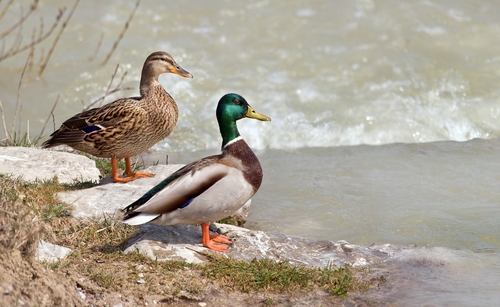
Oregon, US
Puedes ver Pato, Twinberry Honeysuckle y Barnacla Canadiense.
Ver guía →

British Columbia, CA
Puedes ver Broad-Leaved Stonecrop, Salal y Pacific Sanicle.
Ver guía →
.jpg)
Washington, US
Puedes ver Pato, Garza Azulada y Western Redcedar.
Ver guía →