
_RWD2.jpg&width=800)





White Ibis
Eudocimus albus
The White Ibis is a beautiful bird with long legs and a curved beak. They love to wade in shallow waters looking for tasty food like fish and insects.
Hábitat: Wetlands
The White Ibis is a medium-sized wading bird with brilliant white plumage. It has striking reddish-pink legs and a bare, red face. Its most distinguishing feature is a long, decurved, salmon-pink bill, which darkens at the tip.
Categoría
AvesRareza
Common
Peligro
1/5 · Muy bajo
Snaps
¡Sé la primera persona en hacer un snap!
Baby ibises are brown and only turn white after about two years.
Sometimes, White Ibises will steal food right from pelicans' mouths!
Their red face and legs become extra bright during breeding season!
They are sometimes called "Chokoloskee Chicken" in parts of Florida!
White Ibis has a long, curved bill that helps them probe deep into mud and soft soil to find hidden prey.
White Ibis can wade skillfully in shallow waters because of its long legs, allowing it to hunt in muddy habitats.
White Ibises often feed in groups, which helps them detect predators faster and disturb more prey.
White Ibises love to eat small creatures hiding in the mud and shallow water.
Alligator mississippiensis
Adults and eggs are sometimes preyed upon by alligators.
Procyon lotor
Raccoons often raid ibis nests for eggs and chicks.
Procambarus clarkii
Ibises use their long bills to find and eat crayfish.
Gambusia holbrooki
They forage for small fish like mosquitofish in shallow waters.
Describe a los animales, principalmente aves, que poseen una cubierta de plumas.
Los animales sociales viven en grupos organizados, cooperando para obtener beneficios de supervivencia como la búsqueda de alimento, la defensa y la cría de descendencia.
Los filtradores obtienen nutrientes filtrando partículas de alimentos suspendidos y pequeños organismos del agua.
Este rasgo identifica a los organismos cuya dieta consiste principalmente en insectos y otros pequeños invertebrados.

Los organismos piscívoros son animales que subsisten principalmente de una dieta a base de peces.

Este rasgo de hábitat identifica especies que se encuentran en humedales, que son áreas de tierra saturadas de agua, ya sea permanente o estacionalmente, e incluyen marismas, pantanos y ciénagas.

Los animales diurnos están activos principalmente durante el día y suelen descansar o dormir por la noche.
Todavía no hay alias listados.
Peligro
1/5 · Muy bajo
Always watch birds from a distance and don't try to touch them.
56-71 cm
90-105 cm
0.73-1.05 kg
15-20 años
50 km/h
White Ibises love to eat small creatures hiding in the mud and shallow water.
Wetlands
Foraging
Acércate para separar los grupos y explorar dónde se ha fotografiado este objeto.
Los snaps recientes aparecerán aquí a medida que se añadan nuevas observaciones.
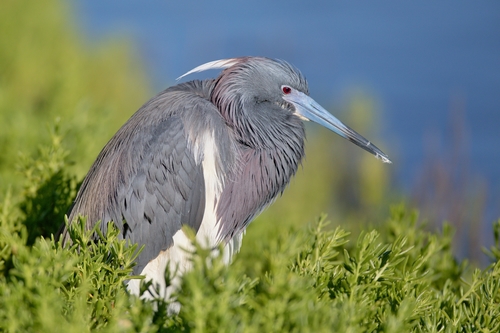
Florida, US
Puedes ver Tricolored Heron, Roseate Spoonbill y Wood Stork.
Ver guía →
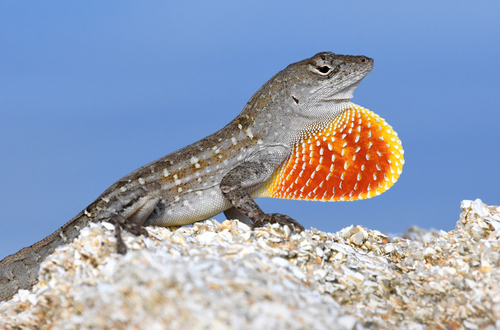
Florida, US
Puedes ver Anolis Castaño, Shiny-Leaved Wild Coffee y Firebush.
Ver guía →
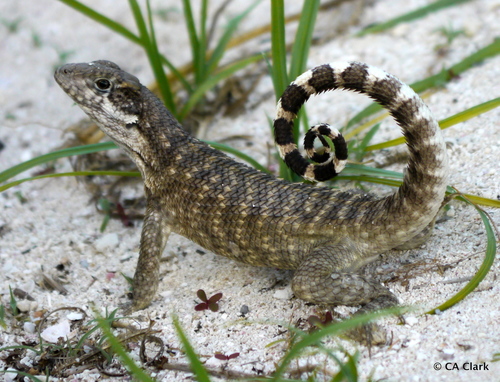
Florida, US
Puedes ver Northern Curly-Tailed Lizard, Iguana Verde y Triangle Cactus.
Ver guía →
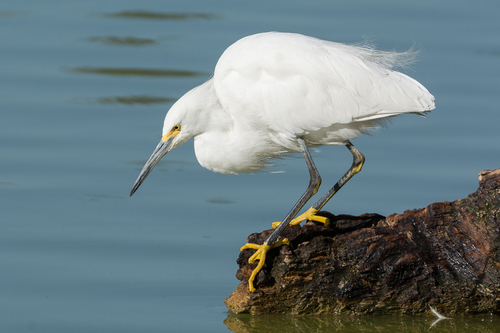
Florida, US
Puedes ver Snowy Egret, Pelícano Pardo y Boat-Tailed Grackle.
Ver guía →
Texas, US
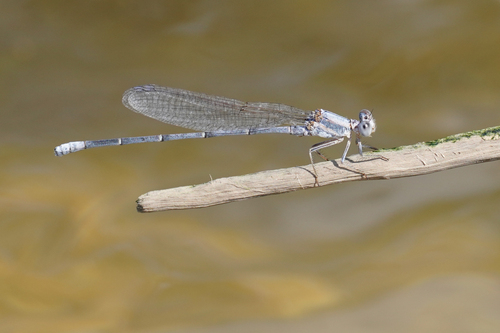
Puedes ver Powdered Dancer y Glassy-Winged Sharpshooter.
Ver guía →

Delaware, US
Puedes ver Atlantic Horseshoe Crab y Laughing Gull.
Ver guía →







.jpg&width=800)






