
_Raphanus_raphanistrum_-_flowers.jpg&width=800)





Wild radish
Raphanus raphanistrum
Wild radish is a fun plant with bright yellow flowers and crunchy seed pods. It grows in many places and is loved by bees and butterflies!
Hábitat: Grasslands
The Wild radish has rough, hairy leaves and slender stems, often branching. Its small, four-petaled flowers are typically pale yellow or white with noticeable purple veins, sometimes appearing entirely purple. These distinctive flowers help differentiate it from other yellow wildflowers.
Categoría
PlantasRareza
Common
Peligro
1/5 · Muy bajo
Snaps
¡Sé la primera persona en hacer un snap!
Even its young leaves and flowers can be added to salads for a peppery kick!
Its long, lumpy seed pods look like bumpy fingers or necklaces!
This plant is considered a tricky weed in many farm fields because it grows so fast!
Wild radish is a close wild cousin to the crunchy radishes you eat!
Wild radish can produce many long, bumpy seed pods that break apart easily, helping it spread its seeds far and wide to colonize new areas.
Wild radish has special chemicals called glucosinolates, which give it a peppery taste and can deter some hungry animals from eating its leaves.
Wild radish flowers can change color as they age, often starting yellow and fading to white or purple, which might signal different things to pollinators.
Apis mellifera
Feeds on nectar and collects pollen
Pieris rapae
Larvae feed on leaves
Plutella xylostella
Larvae feed on foliage
Helix aspersa
Consumes leaves and stems
Las plantas con flores son cualquier planta que produce flores como parte de su ciclo reproductivo.
Las plantas bienales completan su ciclo de vida en dos temporadas de crecimiento, formando típicamente follaje en el primer año y floreciendo o semillando en el segundo.
Las plantas de floración de verano producen sus flores durante la temporada estival, a menudo aportando un color vibrante cuando muchas otras plantas ya han terminado de florecer.
Las plantas comestibles son aquellas partes de una planta que se consideran seguras para el consumo humano.

Las plantas de crecimiento rápido exhiben tasas de crecimiento aceleradas, aumentando rápidamente de tamaño y biomasa en un corto período de tiempo.

Describe plantas que son particularmente atractivas y beneficiosas para una amplia variedad de organismos polinizadores.

Los hábitats de pastizales son biomas terrestres dominados por pastos y plantas herbáceas, que sustentan a una variedad de animales de pastoreo.

Describe organismos que transfieren polen, permitiendo la fertilización y reproducción de las plantas.
Todavía no hay alias listados.
Peligro
1/5 · Muy bajo
Always check with an adult before eating any wild plants.
30-100 cm
15-45 cm
1-2 cm
Spring_to_fall
Sí
Leve
Anual
Insectos
Acércate para separar los grupos y explorar dónde se ha fotografiado este objeto.
Los snaps recientes aparecerán aquí a medida que se añadan nuevas observaciones.
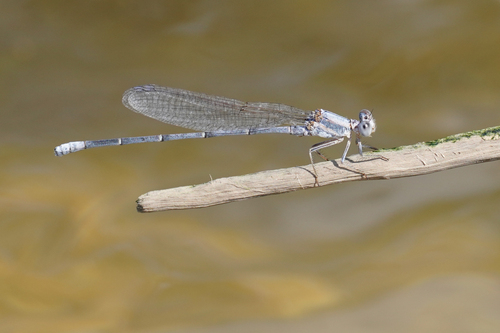
Texas, US
Puedes ver Powdered Dancer y Glassy-Winged Sharpshooter.
Ver guía →

California, US
Puedes ver Ochre Sea Star, Giant Green Anemone y Sunburst Anemone.
Ver guía →

California, US
Puedes ver Plume Albizia, White-Crowned Sparrow y Busardo Colirrojo.
Ver guía →
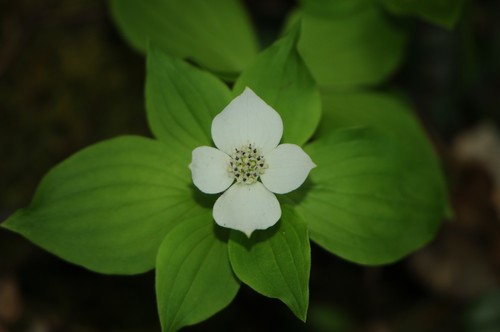
Maine, US
Puedes ver Canadian Bunchberry y águila Pescadora.
Ver guía →












.jpg&width=800)

