Willet
Tringa semipalmata
The Willet is a tall, wading bird that loves to be near the water. With its long legs and long beak, it searches for tasty snacks like crabs and worms in the sand.
Hábitat: Coastal areas
The Willet is a large, grayish shorebird with long bluish-gray legs and a straight, thick bill. Its most striking feature, seen in flight, is a broad white stripe bordered by black on its wings. This pattern makes them visually distinct from other plain gray shorebirds.
Categoría
AvesRareza
Common
Peligro
1/5 · Muy bajo
Snaps
¡Sé la primera persona en hacer un snap!
The Willet's loud call sounds so much like "pill-will-willet" that it's how they got their name!
There are two types of Willets, Eastern and Western, and they even sound a little different!
These clever birds often build nests in tall grass, making it super hard for predators to find their eggs.
Willet chicks can leave the nest and find their own food almost immediately after hatching!
Willet has striking black-and-white wings that flash brightly, which helps them signal to other Willets or startle predators.
Willet can fake a broken wing display to lure predators away from its nest, protecting its precious eggs and chicks.
Willet makes a loud, distinctive "pill-will-willet" call that helps them warn other birds of danger or intruders.
Willets use their long bills to probe for tasty invertebrates and small fish in watery areas.
Falco peregrinus
Adult Willets can be swift prey for this speedy raptor.

Larus smithsonianus
These gulls sometimes eat the eggs or chicks of Willets.
Uca pugnax
Willet's long bill is perfect for catching these crabs in the mud.
Nereis succinea
Willet probes soft mud to find and eat these marine worms.
Describe a los animales, principalmente aves, que poseen una cubierta de plumas.
Los animales sociales viven en grupos organizados, cooperando para obtener beneficios de supervivencia como la búsqueda de alimento, la defensa y la cría de descendencia.
Los filtradores obtienen nutrientes filtrando partículas de alimentos suspendidos y pequeños organismos del agua.
Los hábitats costeros son entornos dinámicos situados a lo largo de la interfaz entre la tierra y el mar, influenciados por las mareas, las olas y el agua salada.

Este rasgo identifica a los organismos cuya dieta consiste total o principalmente en tejido animal.

Los animales diurnos están activos principalmente durante el día y suelen descansar o dormir por la noche.

Este rasgo identifica a los organismos que exhiben una rapidez excepcional en sus movimientos para cazar, escapar o desplazarse.

Los animales migratorios emprenden movimientos estacionales de una región a otra, típicamente en respuesta a cambios en el clima o la disponibilidad de alimentos.
Todavía no hay alias listados.
Peligro
1/5 · Muy bajo
Always watch birds from a distance and don't try to touch them.
33-41 cm
66-79 cm
0.2-0.36 kg
5-10 años
55 km/h
Willets use their long bills to probe for tasty invertebrates and small fish in watery areas.
Coastal areas
Foraging
Acércate para separar los grupos y explorar dónde se ha fotografiado este objeto.
Los snaps recientes aparecerán aquí a medida que se añadan nuevas observaciones.
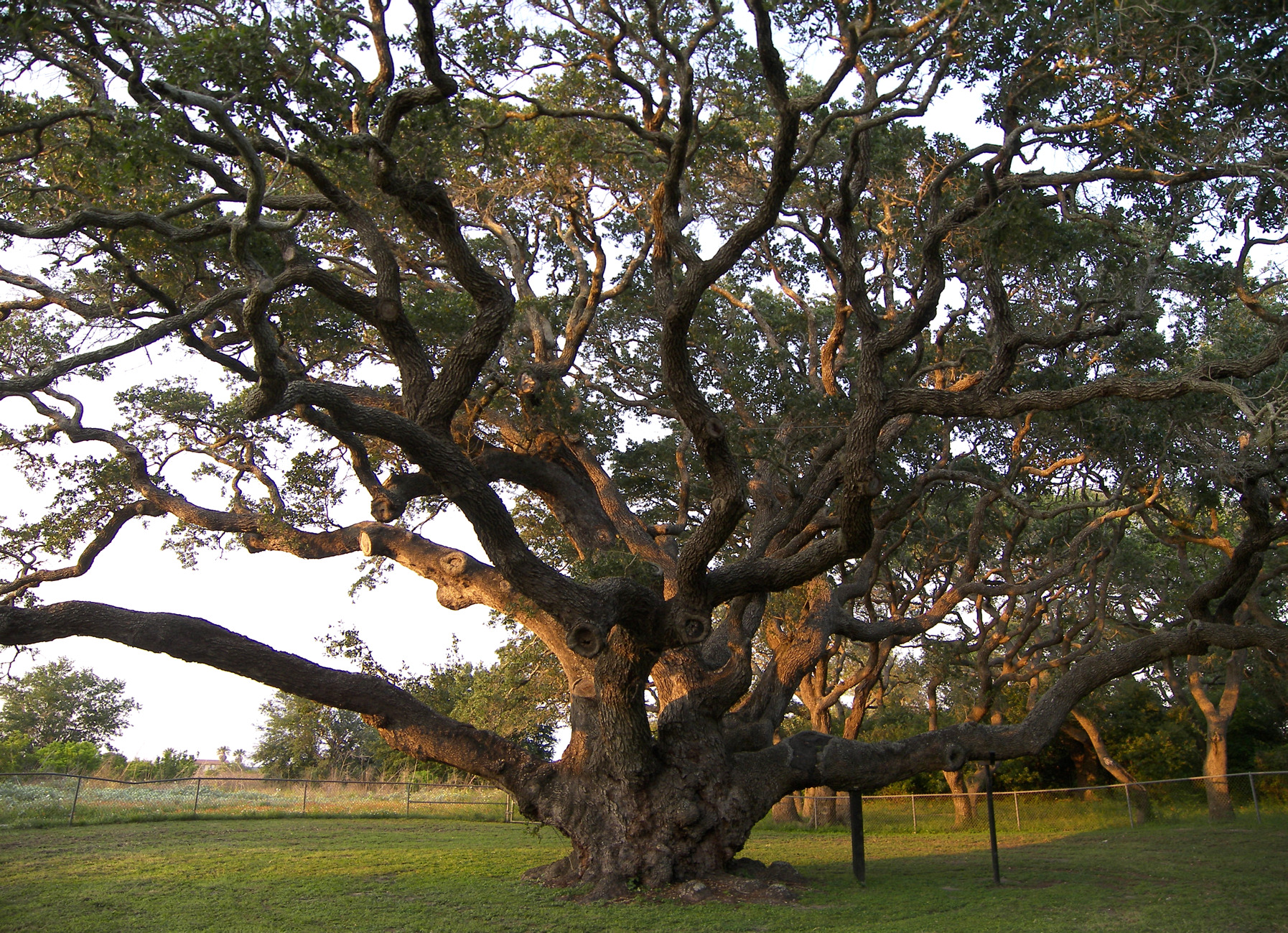
Texas, US
Puedes ver Pelícano Pardo, Ciervo De Cola Blanca y Laughing Gull.
Ver guía →

Delaware, US
Puedes ver Atlantic Horseshoe Crab y Laughing Gull.
Ver guía →

Florida, US
Puedes ver False Rosemary, Florida Rosemary y Sanderling.
Ver guía →
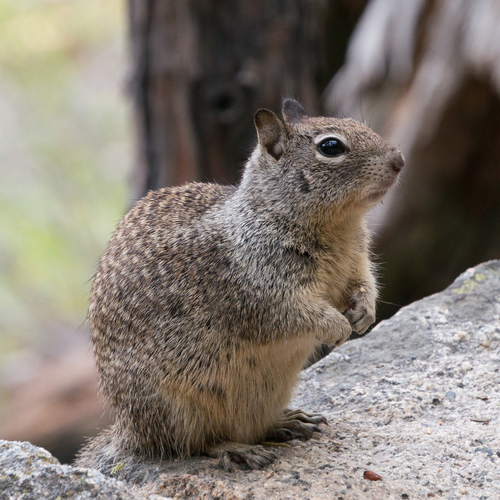
California, US
Puedes ver California Ground Squirrel y Coast Cholla.
Ver guía →

Connecticut, US
Puedes ver Rosa Silvestre, American Herring Gull y águila Pescadora.
Ver guía →
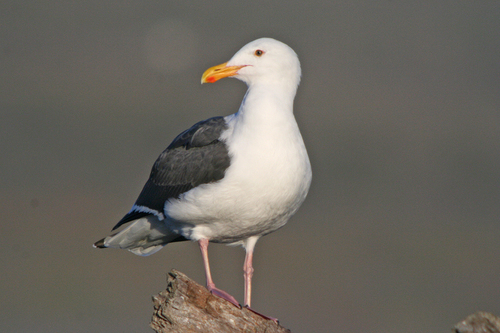
California, US
Puedes ver Western Gull, Snowy Egret y Black Skimmer.
Ver guía →




_fem%2C_oso_flaco%2C_sloco%2C_ca_oso_(1)_(8718083235).jpg&width=800)