Wood Stork
Mycteria americana
The Wood Stork is a tall, wading bird with long legs and a big beak. They like to stand in shallow water and catch fish with their beaks. These birds are very graceful when they fly!
Hábitat: Wetlands
The Wood Stork is a large, white wading bird with dark gray to black flight feathers. It has an unfeathered, dark grayish-black head and neck, and a long, thick, downcurved bill. Its legs are pinkish.
Categoría
AvesRareza
Common
Peligro
1/5 · Muy bajo
Snaps
¡Sé la primera persona en hacer un snap!
Baby storks are born with soft, downy feathers covering their heads, which disappear as they grow.
Their extra-long, sensitive bills can snap shut on fish in less than 25 milliseconds!
They use a "foot-stirring" dance in shallow water to flush out hidden prey!
Wood Storks don't sing; they hiss and clatter their bills to talk to each other!
Wood Storks can find prey in murky water by feeling with their sensitive bills, which snap shut incredibly fast.
Wood Storks have broad wings that help them ride warm air currents, allowing long-distance flight with little effort.
Wood Storks have a unique ability to cool down by letting their droppings run down their legs.
They mostly eat small fish and other aquatic creatures by feeling for them in the water.
Alligator mississippiensis
Alligators sometimes prey on their eggs and young chicks.
Procyon lotor
Raccoons are known to raid nests for eggs and young storks.

Gambusia holbrooki
They effectively hunt small mosquitofish in shallow water.
%2C_Vorderansich.jpg&width=800)
Lithobates sphenocephalus
Commonly eats frogs and tadpoles found in wetlands.
Taxodium distichum
Often build their nests high in bald cypress trees.
Describe a los animales, principalmente aves, que poseen una cubierta de plumas.
Los animales sociales viven en grupos organizados, cooperando para obtener beneficios de supervivencia como la búsqueda de alimento, la defensa y la cría de descendencia.
Los filtradores obtienen nutrientes filtrando partículas de alimentos suspendidos y pequeños organismos del agua.
Los organismos piscívoros son animales que subsisten principalmente de una dieta a base de peces.

Este rasgo de hábitat identifica especies que se encuentran en humedales, que son áreas de tierra saturadas de agua, ya sea permanente o estacionalmente, e incluyen marismas, pantanos y ciénagas.

Los animales diurnos están activos principalmente durante el día y suelen descansar o dormir por la noche.

Los animales migratorios emprenden movimientos estacionales de una región a otra, típicamente en respuesta a cambios en el clima o la disponibilidad de alimentos.

El estado de peligro de extinción indica que una especie corre un riesgo muy alto de extinguirse en estado silvestre en un futuro próximo.
Todavía no hay alias listados.
Peligro
1/5 · Muy bajo
Always watch birds from a distance and do not disturb their nests.
83-115 cm
150-180 cm
2-4.5 kg
11-18 años
50 km/h
They mostly eat small fish and other aquatic creatures by feeling for them in the water.
Wetlands
Foraging
Acércate para separar los grupos y explorar dónde se ha fotografiado este objeto.
Los snaps recientes aparecerán aquí a medida que se añadan nuevas observaciones.

Alabama, US
Puedes ver Baja California Rat Snake y Blue-Faced Honeyeater.
Ver guía →
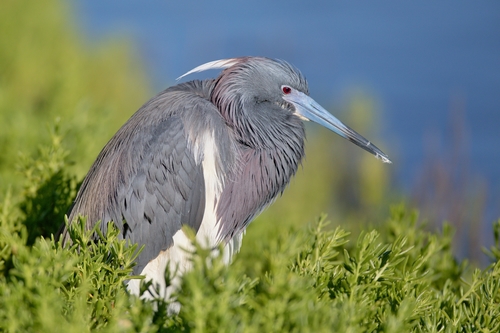
Florida, US
Puedes ver Tricolored Heron, Roseate Spoonbill y Wood Stork.
Ver guía →
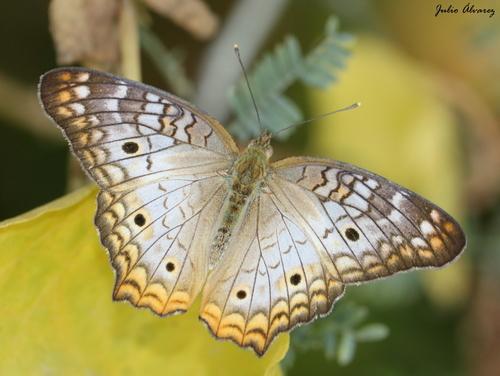
Florida, US
Puedes ver White Peacock, Trailing Daisy y Garza Azulada.
Ver guía →
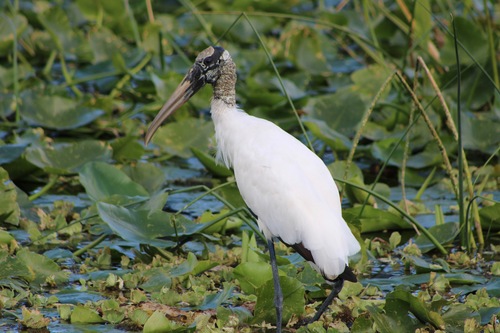
Florida, US
Puedes ver Wood Stork, Anolis Castaño y Taro.
Ver guía →
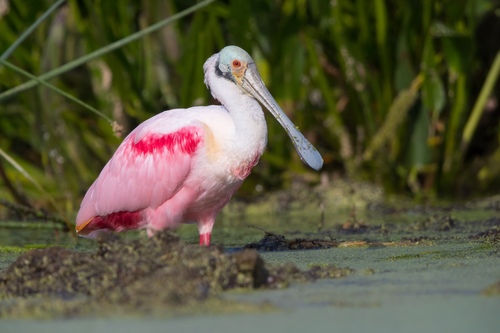
Florida, US
Puedes ver Roseate Spoonbill, Tricolored Heron y Great Egret.
Ver guía →










.jpg&width=800)