




Artist's Bracket
Ganoderma
The Artist's Bracket is a special fungus that has a shiny, colorful surface. It grows on trees and can be used to create art!
Habitat: Wooded areas and on decaying trees
The Artist's Bracket has a hard, shelf-like body, often multi-layered, with a dull brownish-gray top. Its distinguishing feature is a smooth, creamy white underside that instantly bruises dark brown when scratched, perfect for drawing.
Category
FungiRarity
Rare
Danger
1/5 · Very low
Snaps
4
It gets its name because people use its soft underside to draw pictures!
Its scientific name, Ganoderma, means "shiny skin" in Greek.
Sometimes, many brackets grow on top of each other, making a fungal "staircase."
This tough fungus can live for over 20 years on a single tree.
Artist's Bracket has a unique soft underside that instantly changes color when pressed, helping artists create drawings on its surface.
Artist's Bracket can break down dead trees and stumps, returning valuable nutrients to the soil that helps new plants grow.
Artist's Bracket has a tough, woody body that allows it to survive for many years, growing larger each season.
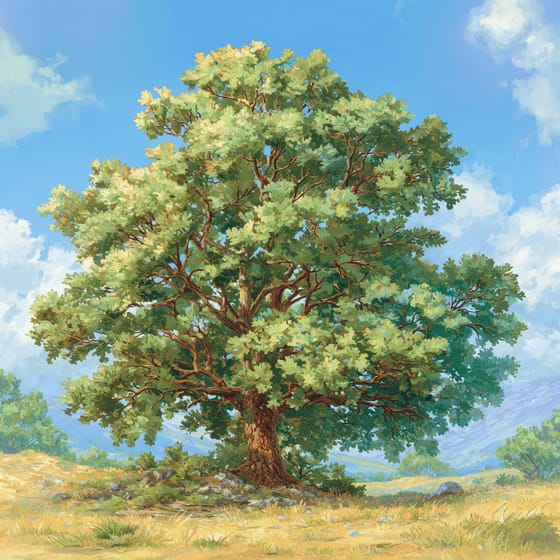
Quercus alba
Decomposes dead wood from oak trees.
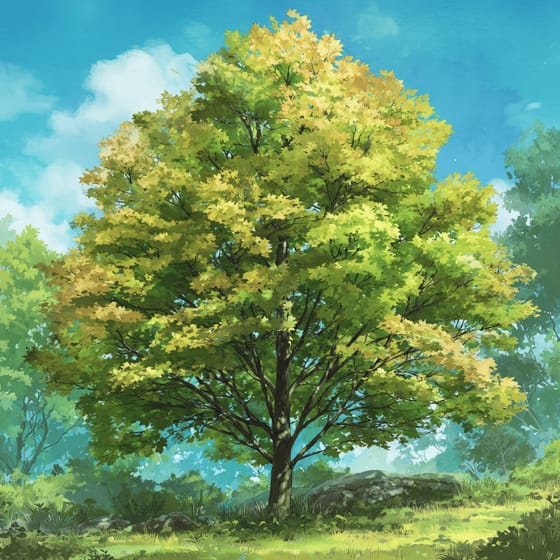
Acer saccharum
Feeds on nutrients from fallen maple trees.
Cicones pictus
Beetle larvae sometimes feed on the fungus.
Formica rufa
Ants can make nests in old, hollowed brackets.
Spore-producing organisms reproduce by releasing small, often single-celled, reproductive units called spores.
Colorful describes organisms or objects displaying a wide range of bright and distinct colors.
Forest habitats are terrestrial environments dominated by dense tree cover, supporting a high diversity of plant and animal life.
Danger
1/5 · Very low
Do not pick or eat anything you find. Some plants and mushrooms can be harmful.
The easiest way to identify Artist's Bracket is to use the Snappit nature identifier app.
2-10 cm
inedible
10-70 cm
Wooded areas and on decaying trees
wood
Year-round
Brown
Zoom in to split clusters and explore where this object has been snapped.

California, US
You might spot Redwood, Pacific Trillium, and Evergreen Huckleberry.
View guide →

Pennsylvania, US
You might spot Elk, Ring-Necked Snake, and Timber Rattlesnake.
View guide →

Oregon, US
You might spot Green Alkanet, Western Sword Fern, and Pacific Banana Slug.
View guide →

Washington, US
You might spot Salal, Bog Labrador Tea, and Salmonberry.
View guide →
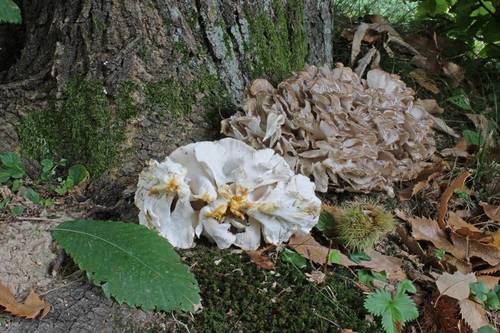
Virginia, US
You might spot Hen Of The Woods, White Oak, and Harlequin Glorybower.
View guide →

British Columbia, CA
You might spot Western Toad, Nettles, and Lady Fern.
View guide →
Take the discovery with you
Snap it with Snappit to identify it, learn what makes it special, and add the discovery to your collection.