





Asian Tiger Mosquito
Aedes albopictus
The Asian Tiger Mosquito is a striped mosquito known for its aggressive bite. It likes warm places and can be found in many areas.
Habitat: Urban areas, gardens, and near standing water
The Asian Tiger Mosquito is a small, dark insect easily recognized by its distinctive black and white striped pattern across its legs and body. It has a single silvery-white stripe running down its back, making it visually stand out from other mosquito species.
Category
InsectsRarity
Common
Danger
2/5 · Low
Snaps
7
It is considered one of the world's most invasive and dangerous mosquito species!
Its eggs can survive dry conditions for over a year, waiting for water to return!
Only female Asian Tiger Mosquitoes bite, needing blood to lay their eggs!
This mosquito got its "tiger" name from its striking black and white striped pattern.
Asian Tiger Mosquito can breed in tiny pools of water, like a bottle cap, as their eggs only need a small amount of stagnant water to hatch.
Asian Tiger Mosquito has adapted to bite primarily during the day because it allows them to feed on hosts when other mosquito species are less active.
Female mosquitoes drink blood to lay eggs, while both sexes enjoy plant nectar for energy.
Age differences: Larvae filter-feed on organic matter in water; adults feed on blood and nectar.

Homo sapiens
Females bite humans to obtain blood meals for reproduction.
Gambusia affinis
Fish consume mosquito larvae, helping control populations in water.
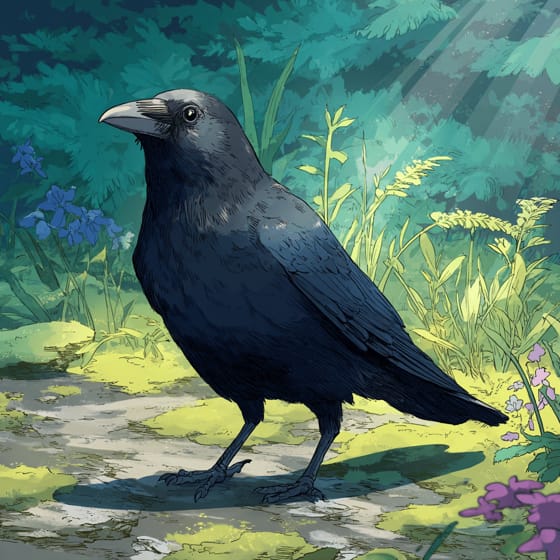
Corvus brachyrhynchos
Mosquitoes can transmit West Nile virus to birds like crows.
Wildlife encompasses all undomesticated animal and plant life existing in their natural habitats.
This trait identifies organisms whose diet includes both plant and animal matter.
This trait describes organisms that live on or in a host organism, obtaining nutrients at the host's expense.
This habitat trait indicates species that can coexist with humans in urban and suburban environments, utilizing man-made structures and green spaces.

Nocturnal animals are primarily active during the nighttime hours, typically resting or sleeping during the day.

Venomous organisms produce toxins that are injected into another animal, typically through a bite or sting.
Danger
2/5 · Low
Do not touch or pick up. Some insects sting or bite. Ask an adult for help.
The easiest way to identify Asian Tiger Mosquito is to use the Snappit nature identifier app.
2-10 mm
7-30 days
2 km/h
Female mosquitoes drink blood to lay eggs, while both sexes enjoy plant nectar for energy.
Urban areas, gardens, and near standing water
Pursuit
6
Zoom in to split clusters and explore where this object has been snapped.

Alabama, US
You might spot Anole, Eastern Gray Squirrel, and Asian Lady Beetle.
View guide →

Alabama, US
You might spot Anole, Eastern Gray Squirrel, and Asian Lady Beetle.
View guide →

Virginia, US
You might spot White-Tailed Deer and Eastern Gray Squirrel.
View guide →

District of Columbia, US
You might spot Duck, Blue Dasher, and Eastern Gray Squirrel.
View guide →

Alabama, US
You might spot Eastern Gray Squirrel and Asian Lady Beetle.
View guide →

Alabama, US
You might spot Anole and Eastern Carpenter Bee.
View guide →
Take the discovery with you
Snap it with Snappit to identify it, learn what makes it special, and add the discovery to your collection.










.jpg&width=800)




