





Emperor Moth
Saturnia pavonia
The Emperor Moth is a big, fluffy moth that comes out at night. Its wings have beautiful patterns that look like eyes.
Habitat: Forests and woodlands
The Emperor Moth has striking brown, orange, and grey patterned wings, each bearing a prominent, dark eyespot with a white or blue pupil. Males are smaller and brighter, with large feathery antennae, while females are larger with plainer wings and thinner antennae.
Category
InsectsRarity
Rare
Danger
2/5 · Low
Snaps
Be the first to snap!
Adult Emperor Moths have no mouthparts and cannot eat! They live only on stored energy.
Male Emperor Moths are one of the few large moths you can spot flying actively during the daytime.
The caterpillars are bright green with black bands and yellow warts, looking totally different.
Their clever cocoons have a special exit tunnel lined with stiff bristles, allowing the moth out.
Emperor Moths have large, fake 'eyespots' on their wings that mimic owl eyes, surprising and deterring predators.
Male Emperor Moths have elaborate feathery antennae that can detect female pheromones from several kilometers away, helping them find a mate.
Their intricate wing patterns of browns and greys perfectly blend with tree bark and dead leaves, helping them avoid detection by birds.
Adults don't eat, but caterpillars munch on leaves from various plants.
Age differences: Adult moths do not feed, relying solely on energy reserves built as caterpillars.
Cyanistes caeruleus
Birds like this eat caterpillars and sometimes adult moths.
Pipistrellus pipistrellus
Bats hunt adult moths, catching them in the twilight.
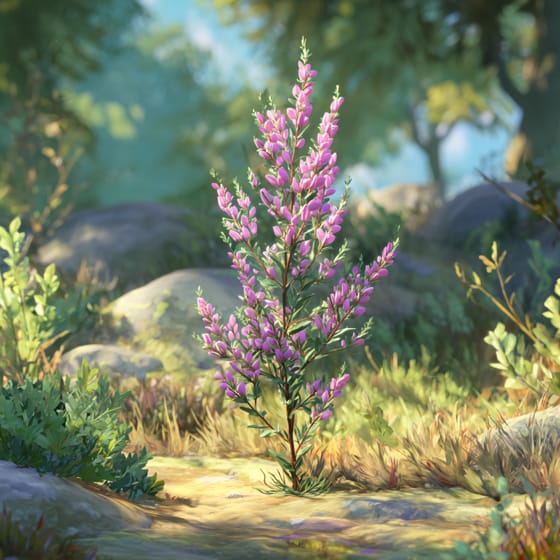
Calluna vulgaris
Young caterpillars feed voraciously on the leaves of heather plants.
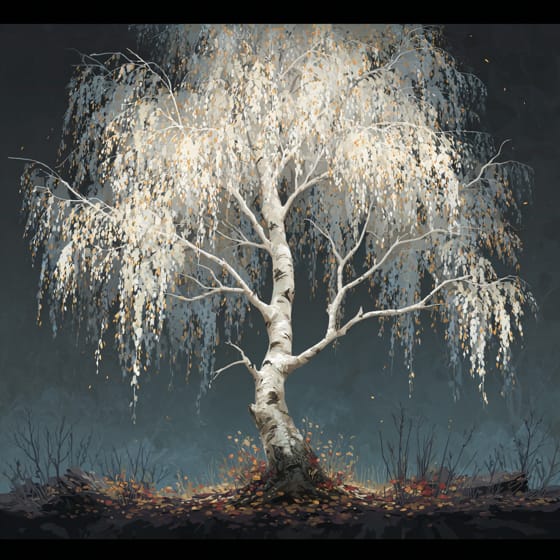
Betula pendula
Caterpillars also enjoy feeding on the leaves of birch trees.
Wildlife encompasses all undomesticated animal and plant life existing in their natural habitats.
Colorful describes organisms or objects displaying a wide range of bright and distinct colors.
This trait characterizes organisms whose diet consists entirely or primarily of plant material.
Forest habitats are terrestrial environments dominated by dense tree cover, supporting a high diversity of plant and animal life.

Possessing sharp, pointed projections or spines on the body or surface.

Nocturnal animals are primarily active during the nighttime hours, typically resting or sleeping during the day.

Describes organisms that transfer pollen, enabling the fertilization and reproduction of plants.
Danger
2/5 · Low
Do not touch or pick up. Some insects sting or bite. Ask an adult for help.
The easiest way to identify Emperor Moth is to use the Snappit nature identifier app.
50-90 mm
25-35 mm
7-14 days
15 km/h
Adults don't eat, but caterpillars munch on leaves from various plants.
Forests and woodlands
Grazing
Zoom in to split clusters and explore where this object has been snapped.
Recent snaps will appear here as new observations are added.
Take the discovery with you
Snap it with Snappit to identify it, learn what makes it special, and add the discovery to your collection.









.jpg&width=800)


