





Bamboo
Bambusoideae
Bamboo is a fast-growing grass that can be very tall and strong. It’s used for building and making furniture!
Habitat: Tropical and subtropical regions
The Bamboo has tall, hollow, jointed stems, often green but sometimes yellow, black, or striped, growing in dense clumps or spreading groves. Its narrow, lance-shaped leaves are typically bright to dark green, creating a distinctive, airy canopy.
Category
PlantsRarity
Common
Danger
1/5 · Very low
Snaps
Be the first to snap!
Bamboo helps prevent soil erosion with its strong, spreading root systems!
Bamboo is actually a giant type of grass, not a tree!
Some bamboo species flower only once every 60 to 120 years!
You can sometimes hear a creaking sound as fast-growing bamboo expands!
Bamboo can grow incredibly fast, some species reaching almost a meter in a single day, helping it quickly colonize new areas.
Bamboo has strong, flexible, hollow stems that are incredibly durable and resistant to bending, supporting tall growth and various uses.
Bamboo has an extensive network of underground rhizomes, allowing it to spread widely and quickly regrow after damage.

Ailuropoda melanoleuca
Its main food source.
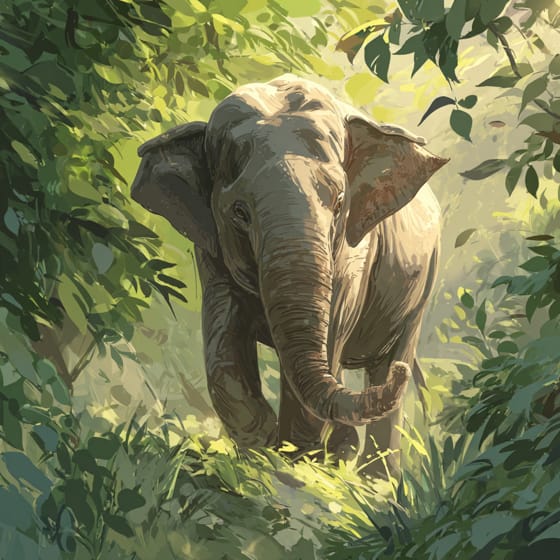
Elephas maximus
Enjoys bamboo shoots and leaves.
Neofelis nebulosa
Hides in dense bamboo forests.
Grass-like plants are herbaceous plants that visually resemble true grasses, typically having long, narrow leaves.
Evergreen plants retain their foliage throughout the year, never shedding all their leaves at once.
This human use trait identifies species that yield natural fibers, used by humans for textiles, rope, paper, and other manufactured goods.
Rapid growing plants exhibit accelerated growth rates, quickly increasing in size and biomass within a short period.

Timber refers to wood that has been prepared for use in building and carpentry.
Danger
1/5 · Very low
Explore with care and ask an adult if you’re unsure what to do.
The easiest way to identify Bamboo is to use the Snappit nature identifier app.
10-3000 cm
30-1000 cm
0.1-1.5 cm
Highly variable, often rare (decades between blooms)
Yes
None
Perennial
Zoom in to split clusters and explore where this object has been snapped.
Recent snaps will appear here as new observations are added.

Massachusetts, US
You might spot Sea Turtle, African Penguin, and Penguin.
View guide →
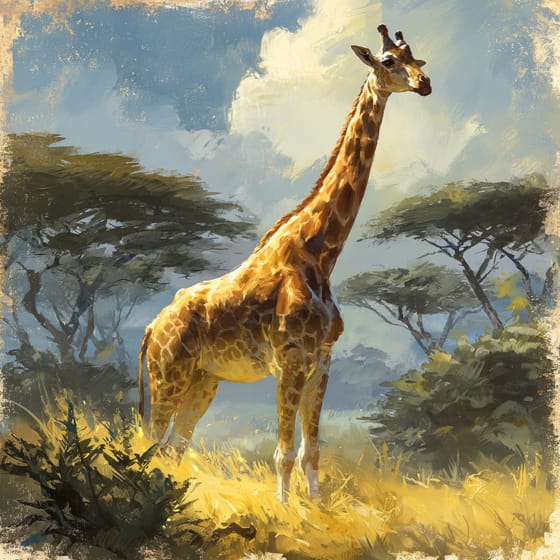
Indiana, US
You might spot Giraffes, African Lion, and Tiger.
View guide →
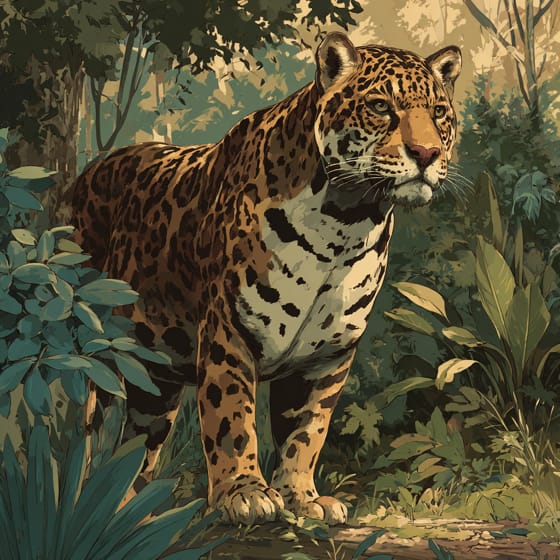
Florida, US
You might spot Jaguar, Tiger, and Reticulated Giraffe.
View guide →
.jpg&width=800)
Virginia, US
You might spot Equus Ferus Przewalskii, Black-Footed Ferret, and Cheetahs.
View guide →
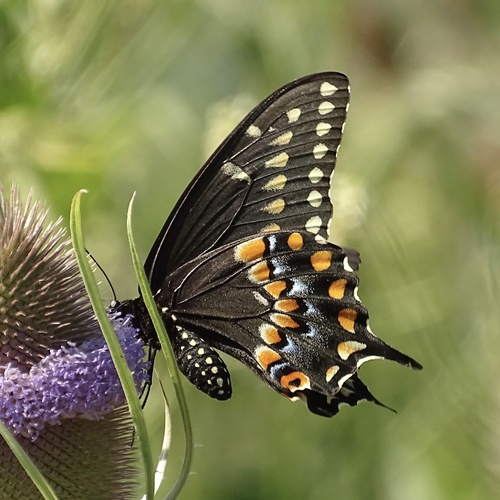
Virginia, US
You might spot Black Swallowtail, Poison Hemlock, and Crape-Myrtles.
View guide →
Take the discovery with you
Snap it with Snappit to identify it, learn what makes it special, and add the discovery to your collection.









.jpg&width=800)



_001.jpg&width=800)



