





Bark Louse
Propsocus pulchripennis
Bark Louse is a tiny bug that likes to live on trees. They are usually found on the bark, where they can hide and stay safe.
Habitat: On tree bark
The Bark Louse is a tiny, soft-bodied insect, typically brown, grey, or reddish-brown, often mottled to blend with tree bark. It has clear or slightly smoky wings, sometimes with faint patterns, and relatively large antennae. It looks different from true lice by having wings and not being flat.
Category
InsectsRarity
Common
Danger
2/5 · Low
Snaps
Be the first to snap!
Bark lice are not true parasites; they don't harm trees or animals!
Many bark lice wave their antennae in a synchronized 'dance' when disturbed!
Some bark louse eggs are covered in a sticky camouflage to hide them from predators!
They help trees by cleaning off old algae and lichen, like tiny scrub brushes!
Bark Louse can munch on tiny fungi and algae because of strong, adapted mouthparts that scrape surfaces clean.
Bark Louse has mottled, earth-toned bodies that help them disappear against tree bark, hiding from predators.
Bark Louse can scurry quickly across surfaces, helping them escape danger or find new feeding spots fast.
These tiny insects are nature's cleaners, munching on microscopic fungi, algae, and lichen from surfaces.
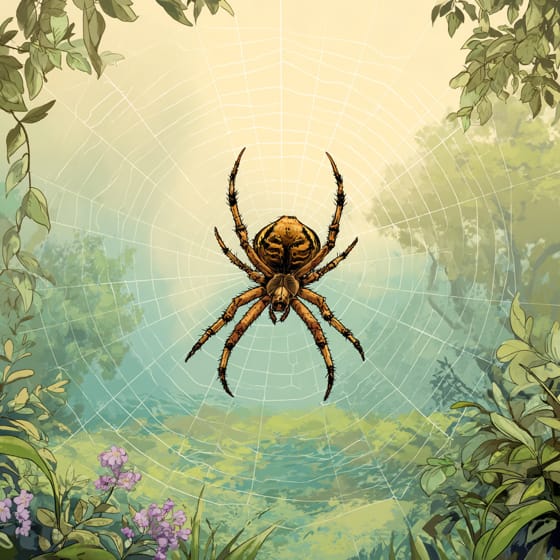
Araneus diadematus
Spiders prey on small insects like bark lice.
Harmonia axyridis
Ladybirds sometimes include bark lice in their diet.
.jpg&width=800)
Setophaga coronata
Small birds forage for insects on tree bark.
Mangifera indica
Provides habitat and a surface for their food sources.
Xanthoria parietina
Bark lice consume lichen found on tree surfaces.
Wildlife encompasses all undomesticated animal and plant life existing in their natural habitats.
Solitary animals live alone for most of their lives, only interacting with others for mating or parental care.
This trait characterizes organisms whose diet consists entirely or primarily of plant material.
Forest habitats are terrestrial environments dominated by dense tree cover, supporting a high diversity of plant and animal life.
Danger
2/5 · Low
Do not touch or pick up. Some insects sting or bite. Ask an adult for help.
The easiest way to identify Bark Louse is to use the Snappit nature identifier app.
4-8 mm
2-4 mm
30-90 days
These tiny insects are nature's cleaners, munching on microscopic fungi, algae, and lichen from surfaces.
On tree bark
Foraging
6
Zoom in to split clusters and explore where this object has been snapped.
Recent snaps will appear here as new observations are added.
Take the discovery with you
Snap it with Snappit to identify it, learn what makes it special, and add the discovery to your collection.








.jpg&width=800)



