





Mason Bees
Osmia
Mason bees are tiny, friendly insects that help flowers grow by spreading pollen. They are great builders and make their homes in small holes using mud and plant materials.
Habitat: Gardens
The Mason Bee has a stocky, often metallic blue, green, or black body covered in dense, fuzzy hairs. They are smaller than bumblebees but larger than many sweat bees, with a distinct, often iridescent sheen that sets them apart from the more common yellow and black striped bees.
Category
InsectsRarity
Common
Danger
1/5 · Very low
Snaps
Be the first to snap!
Each baby mason bee gets its own tiny, sealed mud room inside the nest!
Male mason bees hatch first, patiently waiting outside for the females to emerge.
Mason bees are 'super-stackers,' laying up to 8 eggs in a single tunnel!
Unlike honeybees, mason bees don't produce any honey for humans to enjoy.
Mason Bees are super efficient pollinators because they carry pollen dry on their bellies, which easily rubs off onto flowers.
Mason Bees can build sturdy nests using mud and natural materials that protect their developing young from predators.
Mason Bees have a docile temperament, making them rarely sting even when handled, which helps them coexist peacefully with humans.
Mason Bees can emerge from their cocoons in sync with early spring blooms, ensuring they are ready to pollinate.
Mason bees are vegetarians, feeding on nectar for energy and pollen for protein to grow.
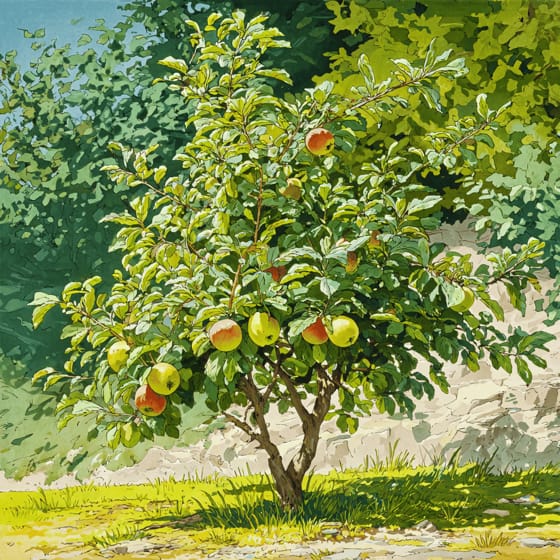
Malus domestica
Helps apple trees produce delicious fruit.
Monodontomerus obsoletus
A tiny wasp that lays its eggs inside the bee's developing young.
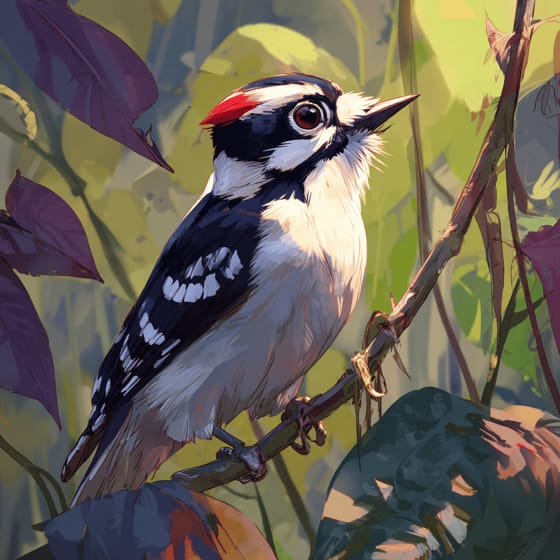
Picoides pubescens
Feeds on mason bee larvae from their nest tunnels.
Furry describes animals possessing a dense covering of soft hair or fur.
Solitary animals live alone for most of their lives, only interacting with others for mating or parental care.
This trait characterizes organisms whose diet consists entirely or primarily of plant material.
Describes plants that are particularly attractive and beneficial to a wide range of pollinating organisms.

Diurnal animals are primarily active during daylight hours, typically resting or sleeping at night.

Describes a species whose presence and role have a disproportionately large effect on its environment.

Pertaining to species that are significantly smaller than typical or average for their kind.

This habitat trait indicates species that can coexist with humans in urban and suburban environments, utilizing man-made structures and green spaces.

Describes organisms that transfer pollen, enabling the fertilization and reproduction of plants.
Danger
1/5 · Very low
Mason bees are friendly and won't sting, but it's always best to watch them from a distance.
The easiest way to identify Mason Bees is to use the Snappit nature identifier app.
15-25 mm
8-15 mm
28-42 days
15 km/h
Mason bees are vegetarians, feeding on nectar for energy and pollen for protein to grow.
Gardens
Foraging
Zoom in to split clusters and explore where this object has been snapped.
Recent snaps will appear here as new observations are added.
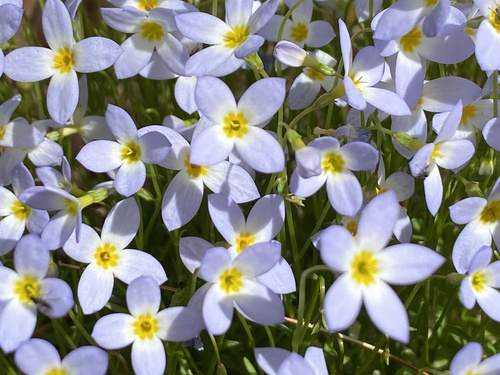
Virginia, US
You might spot Azure Bluet and Allegheny Blackberry.
View guide →
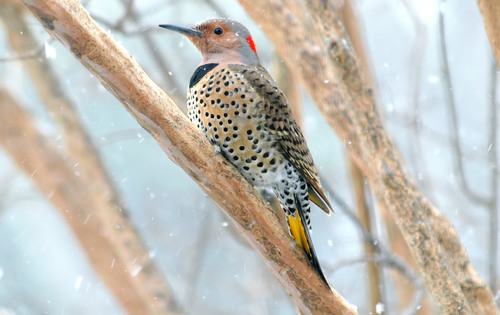
British Columbia, CA
You might spot Northern Flicker and Indian Peafowl.
View guide →

Wyoming, US
You might spot Lodgepole Pine, Flowery Phlox, and Moose.
View guide →
Take the discovery with you
Snap it with Snappit to identify it, learn what makes it special, and add the discovery to your collection.







.jpg&width=800)



