





Leafhopper
Cicadellidae
The Leafhopper is a small bug that jumps around quickly. They are often found on plants and are very colorful!
Habitat: Gardens, fields, and meadows
The Leafhopper is a small, typically wedge-shaped insect, often found in vibrant greens, yellows, or browns, sometimes with intricate patterns. Its large eyes are prominent, and its hind legs are visibly adapted for powerful jumping, making it distinct from many other small plant-dwelling insects.
Category
InsectsRarity
Common
Danger
2/5 · Low
Snaps
Be the first to snap!
Certain leafhoppers can transmit plant diseases, acting like tiny plant doctors carrying bad news!
Leafhoppers 'sing' with their bodies, sending tiny vibrations through plants to find mates!
Some leafhoppers are so tiny, you'd need a magnifying glass to see their beautiful patterns!
They shed their skin multiple times as they grow, like wearing different outfits!
Leafhopper can leap great distances because of its powerful hind legs, helping them escape predators quickly.
Leafhopper has special organs that create vibrations, helping them communicate with each other on plant stems without making noise.
Leafhopper can drink plant sap because of its piercing-sucking mouthparts, helping them get all the nutrients they need from plants.
Leafhopper has diverse body colors and patterns, helping them blend perfectly with leaves and stems to hide from hungry birds.
Tiny plant-juice drinkers, they use straw-like mouths to slurp sap from leaves and stems.
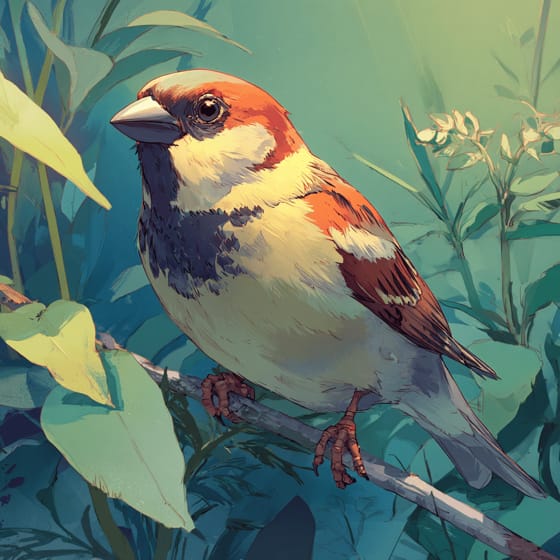
Passer domesticus
Commonly preyed upon by this widespread urban bird.
Misumena vatia
An ambush predator on flowers that catches unwary leafhoppers.

Zea mays
Feeds on the sap of corn plants, sometimes causing agricultural damage.

Quercus robur
Many species of leafhoppers feed on the sap of oak leaves.
Wildlife encompasses all undomesticated animal and plant life existing in their natural habitats.
Colorful describes organisms or objects displaying a wide range of bright and distinct colors.
This trait characterizes organisms whose diet consists entirely or primarily of plant material.
Diurnal animals are primarily active during daylight hours, typically resting or sleeping at night.
Danger
2/5 · Low
Do not touch or pick up. Some insects sting or bite. Ask an adult for help.
The easiest way to identify Leafhopper is to use the Snappit nature identifier app.
6-20 mm
3-10 mm
30-90 days
Tiny plant-juice drinkers, they use straw-like mouths to slurp sap from leaves and stems.
Gardens, fields, and meadows
Foraging
6
Zoom in to split clusters and explore where this object has been snapped.
Recent snaps will appear here as new observations are added.
Take the discovery with you
Snap it with Snappit to identify it, learn what makes it special, and add the discovery to your collection.







.jpg&width=800)



