


Barnacle
Balanus balanoides
Barnacles are small sea creatures that attach themselves to rocks, boats, and even whales! They have hard shells and filter food from the water using feathery legs.
Habitat: Coastal areas
The Barnacle has a white or gray cone-shaped shell made of overlapping plates. It permanently attaches to surfaces, often appearing like small volcanic bumps. Its feathery legs can be seen filtering water when submerged.
Category
InvertebrateRarity
Common
Danger
1/5 · Very low
Snaps
Be the first to snap!
Barnacles can actually survive out of water by sealing themselves inside their shell.
Did you know barnacles are cousins to crabs and lobsters? Wow!
Some barnacles even grow right on the skin of giant whales!
They attach to a spot head-first, then build their strong shell around themselves!
Barnacle can stick permanently to surfaces using a powerful biological cement that helps them withstand strong waves.
Barnacle has feathery legs called cirri that help them filter tiny food particles from the water current.
Barnacle has a protective shell of hard plates that helps them defend against predators and harsh environments.
Barnacles are filter-feeders, catching tiny plankton and food bits from the water!
Nucella lapillus
drills into barnacle shells for food.
Pisaster ochraceus
sea stars pry open and consume barnacles.
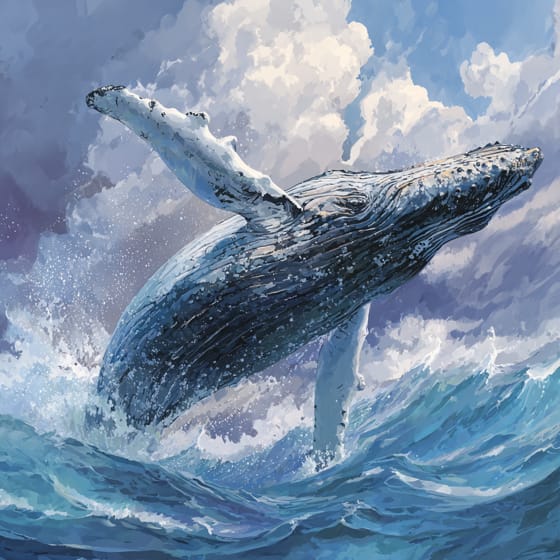
Megaptera novaeangliae
some barnacles attach to whales for a ride.
Wildlife encompasses all undomesticated animal and plant life existing in their natural habitats.
This trait characterizes plants lacking specialized vascular tissues (xylem and phloem) for transporting water and nutrients.
Solitary animals live alone for most of their lives, only interacting with others for mating or parental care.
Spore-producing organisms reproduce by releasing small, often single-celled, reproductive units called spores.

Filter feeders obtain nutrients by straining suspended food particles and small organisms from water.

This trait signifies organisms belonging to a very old evolutionary group with ancestors dating back millions of years.

Coastal habitats are dynamic environments located along the interface between land and sea, influenced by tides, waves, and saltwater.

Marine habitats encompass all saltwater environments of the Earth's oceans, supporting an immense diversity of aquatic life.
Danger
1/5 · Very low
Avoid touching barnacles in the wild to protect their delicate habitats.
The easiest way to identify Barnacle is to use the Snappit nature identifier app.
3 cm
10 years
Barnacles are filter-feeders, catching tiny plankton and food bits from the water!
Coastal areas
Filter Feeding
Zoom in to split clusters and explore where this object has been snapped.
Recent snaps will appear here as new observations are added.
Take the discovery with you
Snap it with Snappit to identify it, learn what makes it special, and add the discovery to your collection.