Banana Slug
Ariolimax dolichophallus
Banana slugs are bright yellow slimy creatures that move slowly along the forest floor. They help plants grow by eating dead leaves and other plant material.
Habitat: Forests
The Banana Slug is typically bright yellow, resembling a ripe banana, but can also be greenish-brown or even white. It often has irregular black or brown spots, distinguishing it from most other slugs by its large size and vibrant coloration.
Category
InvertebrateRarity
Common
Danger
2/5 · Low
Snaps
3
Wow! Banana Slug slime can numb the tongue of a predator!
Wow! Banana Slugs have just one lung on their side for breathing!
Wow! Every Banana Slug is both a male and a female at the same time!
Wow! The Banana Slug is the world's second-biggest land slug!
Banana Slug can produce a thick, sticky slime that helps them move efficiently and stick to surfaces, even upside down.
Banana Slug has two pairs of retractable tentacles that help them smell and feel their way around, avoiding danger.
Banana Slug can breathe through its skin, absorbing oxygen directly from moist air, essential for its habitat.
Banana Slug can slowly change its skin color to match its surroundings, helping it hide from predators.
They are nature's clean-up crew, munching on decaying plants, fungi, and even animal droppings!
Sorex cinereus
Small mammals like shrews prey on slugs.
Thamnophis sirtalis
Garter snakes are known predators of slugs.
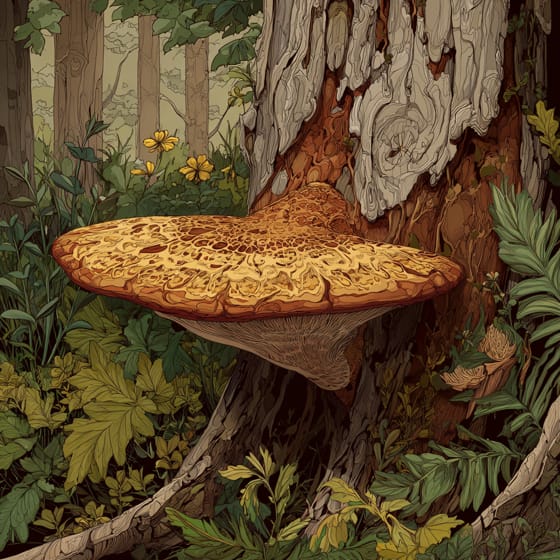
Polyporus squamosus
Slugs graze on various fungi, aiding spore dispersal.
Quercus garryana
Slugs decompose fallen leaves, enriching forest soil.
Wildlife encompasses all undomesticated animal and plant life existing in their natural habitats.
Filter feeders obtain nutrients by straining suspended food particles and small organisms from water.
This trait characterizes organisms whose diet consists entirely or primarily of plant material.
This trait signifies organisms belonging to a very old evolutionary group with ancestors dating back millions of years.

Describes organisms that break down dead organic material, recycling nutrients back into the ecosystem.

Forest habitats are terrestrial environments dominated by dense tree cover, supporting a high diversity of plant and animal life.
This habitat trait identifies species found in temperate rainforests, characterized by significant rainfall, mild temperatures, and dense evergreen or deciduous forests in coastal regions.

Nocturnal animals are primarily active during the nighttime hours, typically resting or sleeping during the day.
Danger
2/5 · Low
Avoid touching or handling banana slugs as they are delicate creatures. Enjoy observing them from a safe distance.
The easiest way to identify Banana Slug is to use the Snappit nature identifier app.
100-250 mm
365-2555 days
They are nature's clean-up crew, munching on decaying plants, fungi, and even animal droppings!
Forests
Foraging
0
Zoom in to split clusters and explore where this object has been snapped.

California, US
You might spot Redwood, Pacific Trillium, and Evergreen Huckleberry.
View guide →

California, US
You might spot Slender Banana Slug, Western Gull, and Red-Tailed Hawk.
View guide →
California, US
You might spot Slender Banana Slug, Western Gull, and Ochre Sea Star.
View guide →
Take the discovery with you
Snap it with Snappit to identify it, learn what makes it special, and add the discovery to your collection.