



Bay Bolete
Boletus
Bay Bolete Mushrooms are brown and have a soft cap. They are tasty and can be found in forests during the summer!
Habitat: Forests
The Bay Bolete has a distinctive velvety, reddish-brown to dark brown cap with yellowish pores underneath. Its stalk is typically pale yellow to reddish-brown, often with a fine network pattern. What makes it unique is the instant blue stain that appears when its pores or flesh are bruised.
Category
FungiRarity
Common
Danger
1/5 · Very low
Snaps
Be the first to snap!
It's sometimes called an 'Imleria' mushroom, named after a famous mycologist!
Its cap feels slightly velvety to the touch when the weather is dry.
These boletes are popular for their firm texture, even after being cooked.
Tiny beetle larvae often bore tunnels right through their mushroom flesh!
Bay Bolete's flesh can instantly turn blue when bruised because of a chemical reaction that might deter hungry insects.
Bay Bolete has a special underground connection with tree roots that helps both organisms share nutrients and thrive.
Bay Bolete can be dried and stored because this process concentrates its delicious, nutty, and slightly mushroomy flavor.
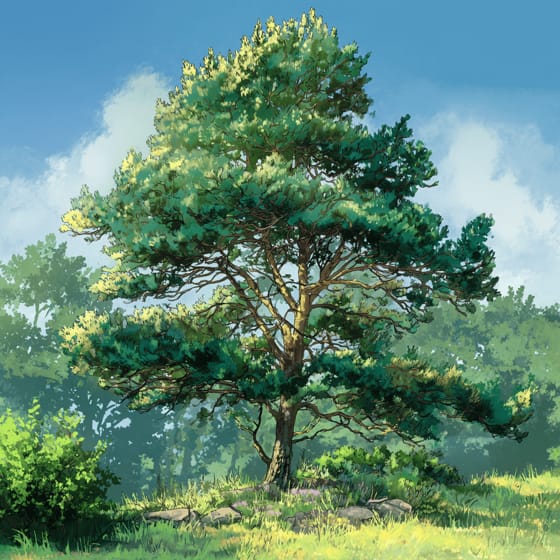
Pinus sylvestris
Forms beneficial root connections, exchanging nutrients.
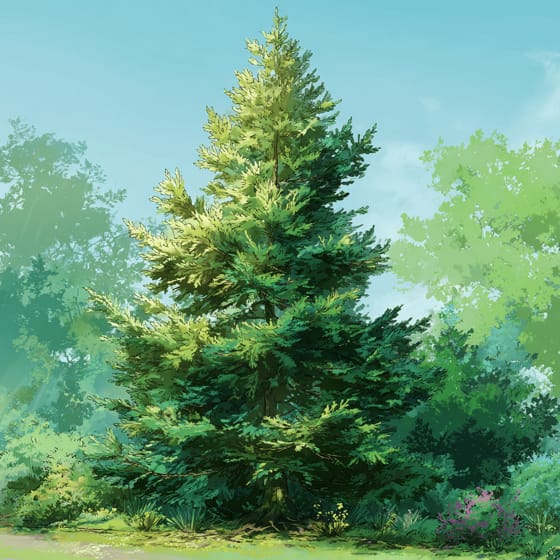
Picea abies
Shares resources with this common conifer tree.
Quercus robur
Benefits from a mutualistic relationship with its roots.

Arion ater
Slugs and other invertebrates often munch on its cap.
Bolitophagus reticulatus
Larvae of this beetle feed by tunneling through the mushroom.
Spore-producing organisms reproduce by releasing small, often single-celled, reproductive units called spores.
Edible plants are those parts of a plant that are considered safe for human consumption.
Forest habitats are terrestrial environments dominated by dense tree cover, supporting a high diversity of plant and animal life.
Danger
1/5 · Very low
Do not pick or eat anything you find. Some plants and mushrooms can be harmful.
The easiest way to identify Bay Bolete is to use the Snappit nature identifier app.
5-15 cm
edible
5-15 cm
Forests
soil
Summer to fall
Olive-brown
Zoom in to split clusters and explore where this object has been snapped.
Recent snaps will appear here as new observations are added.
Take the discovery with you
Snap it with Snappit to identify it, learn what makes it special, and add the discovery to your collection.