




Birch Bolete
Leccinum
The Birch Bolete is a tasty mushroom that grows under birch trees. It has a thick stem and a brown cap!
Habitat: Under birch trees
The Birch Bolete has a smooth, often light brown to grey-brown cap. Its robust stem is pale white, covered in distinctive dark, shaggy scales called scabers. Beneath the cap, it has a whitish pore surface instead of gills, which do not change much colour when bruised.
Category
FungiRarity
Rare
Danger
1/5 · Very low
Snaps
Be the first to snap!
Birch Boletes can grow so fast, they sometimes appear overnight after rain!
Its brown cap sometimes feels a bit sticky after rain, like a tiny forest pancake!
Many small animals like squirrels and slugs enjoy munching on this yummy mushroom!
The stem's dark scales make it look like it's wearing a fuzzy, bumpy coat!
Birch Bolete forms a vital partnership with birch tree roots, sharing nutrients that help both grow strong.
Birch Bolete can absorb water and nutrients directly from the soil, growing quickly after rainfall to spread spores.
Birch Bolete creates an underground network of mycelium, helping to break down matter and enrich soil.
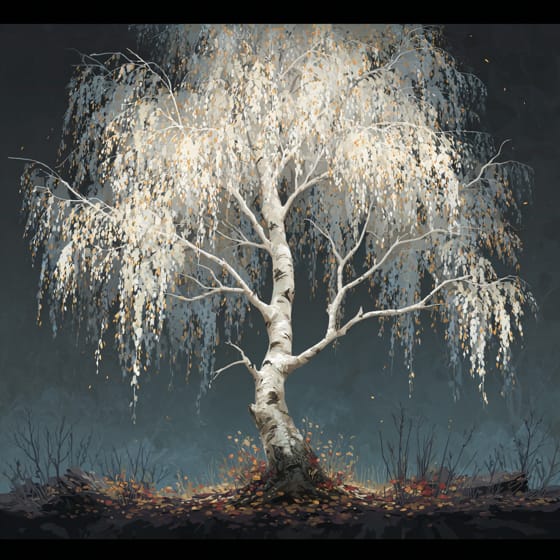
Betula pendula
exchanges nutrients with its roots

Betula pubescens
forms essential underground connections
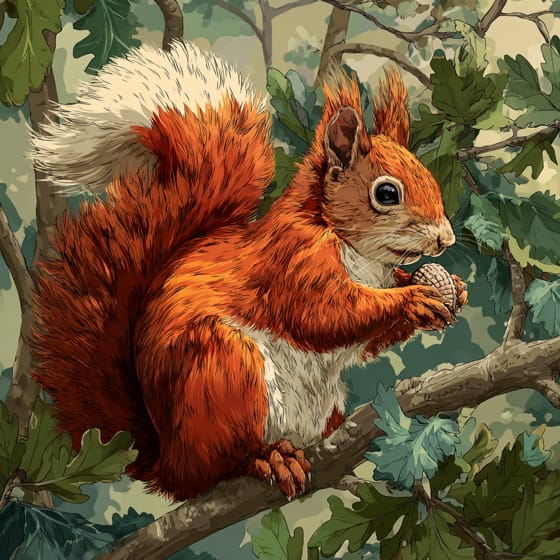
Sciurus vulgaris
squirrels enjoy foraging for mushrooms
Arion vulgaris
slugs feed on the mushroom's flesh
Spore-producing organisms reproduce by releasing small, often single-celled, reproductive units called spores.
Edible plants are those parts of a plant that are considered safe for human consumption.
Forest habitats are terrestrial environments dominated by dense tree cover, supporting a high diversity of plant and animal life.
Danger
1/5 · Very low
Do not pick or eat anything you find. Some plants and mushrooms can be harmful.
The easiest way to identify Birch Bolete is to use the Snappit nature identifier app.
5-15 cm
edible
5-15 cm
Under birch trees
soil
Summer to fall
Brownish olive
Zoom in to split clusters and explore where this object has been snapped.
Recent snaps will appear here as new observations are added.
Take the discovery with you
Snap it with Snappit to identify it, learn what makes it special, and add the discovery to your collection.