Blueberry Bush

Kianuko Provincial Park stands as a family-friendly gem nestled within the stunning landscapes of British Columbia, offering an unparalleled wilderness experience.
Kianuko Provincial Park stands as a family-friendly gem nestled within the stunning landscapes of British Columbia, offering an unparalleled wilderness experience. This expansive park is a haven for those seeking adventure, tranquility, and exceptional opportunities for hiking and wildlife photography. With free admission, it invites visitors to explore its rugged peaks, serene alpine lakes, and lush meadows, making it a perfect escape into nature.
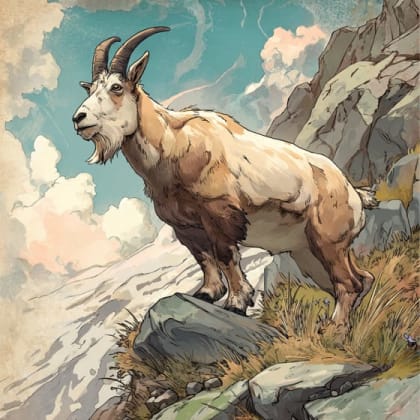
The park's diverse ecosystems are a vibrant tapestry of life, featuring old-growth cedar-hemlock and Engelmann spruce subalpine fir forests that protect the headwaters of Kianuko Creek. Here, you might traverse trails adorned with delicate Glacier Lilies and distinctive Columbian Monkshoods, especially vibrant in spring. The undergrowth provides a home for various plant species, including native blueberries and cranberries, as well as the widespread common selfheal and common cowparsnip. Keep an eye out for impressive wildlife such as Mountain Goats gracefully navigating higher elevations, alongside caribou, moose, and grizzly bears that inhabit these pristine lands.
Kianuko Provincial Park offers a memorable retreat where the untouched beauty of the Purcell Mountains unfolds before you. Whether you're an avid hiker tackling the challenging Haystack Mountain Trail, a photographer capturing the vibrant flora and fauna, or simply seeking a tranquil backcountry escape, the park provides an immersive experience that connects you deeply with the natural world. Its unspoiled wilderness promises breathtaking vistas and the chance to witness British Columbia's wild heart up close. Unlock an interactive field guide for this spot: get the Snappit app to identify nature on the go.
Kianuko Provincial Park was officially established on July 13, 1995, protecting a significant wilderness area encompassing the headwaters of Kianuko Creek. Beyond its natural conservation values, the park holds profound cultural significance as part of the traditional territory of the Ktunaxa First Nation. This area has been historically used by the Ktunaxa for hunting, gathering, and spiritual ceremonies for generations, reflecting deep cultural and spiritual values tied to the land.
Hiking, wildlife viewing, nature photography, fishing, horseback riding, and backcountry camping are the primary activities.
Spring: Expect vibrant wildflowers and potential for impassable stream crossings due to spring freshet (snowmelt).
Summer: Warmer temperatures make it ideal for extensive hiking and exploring.
Fall: Witness increased wildlife activity as bears forage for winter and elk engage in their rutting season. Hunting is permitted with proper licenses.
Winter: The park is technically open year-round if accessible, but snowmobiling is prohibited. Prepare for snowy, wilderness conditions.
Kianuko Provincial Park is a wilderness backcountry park with no developed facilities. Access is primarily via forest service roads, some of which are deactivated to motorized use and are suitable only for foot and horse traffic. Potable water is not available, so visitors must bring their own. E-bikes are restricted to park roads where motorized use is permitted and are not allowed on trails. Pets must be kept on a leash, and backcountry areas are generally not suitable for pets due to wildlife concerns.
A popular, challenging hike to the tallest peak in the park, offering expansive views.
A longer backcountry trail suitable for multi-day trips and horseback riding.
Traverses alpine areas, leading to Haystack Lake or towards Sanca Pass.
Picturesque areas perfect for photography and quiet contemplation.
Each card links to a full Explore page with photos, traits, and fun facts.
Start with the big picture, then zoom in to explore individual wildlife observations around this place.
Bring your own water
Potable water is not available in the park, so ensure you carry enough for your entire visit.
Be prepared for wilderness
This is a backcountry park with no developed facilities. Pack all essentials and be ready to pack out everything you pack in (Leave No Trace principles).
Check trail conditions
Before heading out, especially in spring, check for current trail conditions. Stream crossings may be impassable due to freshet.
Practice wildlife safety
Given the presence of grizzly bears, moose, and other large animals, make noise while hiking, carry bear spray, and know how to use it. Store food properly.
Wear appropriate gear
Sturdy footwear is crucial for hiking on rugged and sometimes challenging trails. Bring layers of clothing for changing mountain weather.
Optimal wildlife viewing
Visit early in the morning for the best chances of spotting wildlife. Binoculars and a camera are recommended.
Recent snaps will appear here as new observations are added.

Maryland, US
You might spot White-Tailed Deer and Eastern Gray Squirrel.
View guide →
.jpg)
District of Columbia, US
You might spot Eastern Gray Squirrel, Duck, and House Sparrow.
View guide →

Illinois, US
You might spot American Robin, Canada Goose, and House Sparrow.
View guide →

Virginia, US
You might spot Spotted Lanternfly and Northern Cardinal.
View guide →
Take the discovery with you
Identify the wildlife you spot, learn as you go, and keep a collection of the adventure.