




Giant Puffball
Calvatia
The Giant Puffball is a big, round fungus that looks like a ball! When it's ready, it puffs out spores into the air.
Habitat: In fields and forests
The Giant Puffball is a large, round, or pear-shaped fungus, typically white and smooth when young. It lacks a visible stem or gills, making it look like a huge, firm marshmallow or a soccer ball. As it matures, its white interior turns yellowish then olive-brown.
Category
FungiRarity
Rare
Danger
1/5 · Very low
Snaps
1
Ancient people sometimes used its spores as a natural bandage for wounds!
One puffball releases more spores than there are people on Earth!
Some puffballs grow so fast you can almost watch them get bigger!
You can slice and cook young puffballs like a big mushroom steak!
Giant Puffball can release trillions of tiny, smoke-like spores when disturbed, helping them spread far and wide.
Giant Puffball has the ability to grow incredibly fast, reaching massive sizes in just days to quickly reproduce.
Giant Puffball can be safely eaten when its flesh is pure white and firm, offering a unique foraging experience.

Odocoileus virginianus
White-tailed deer sometimes browse on young, fresh puffballs.
Limax maximus
Leopard slugs are known to consume the soft flesh of puffball fungi.
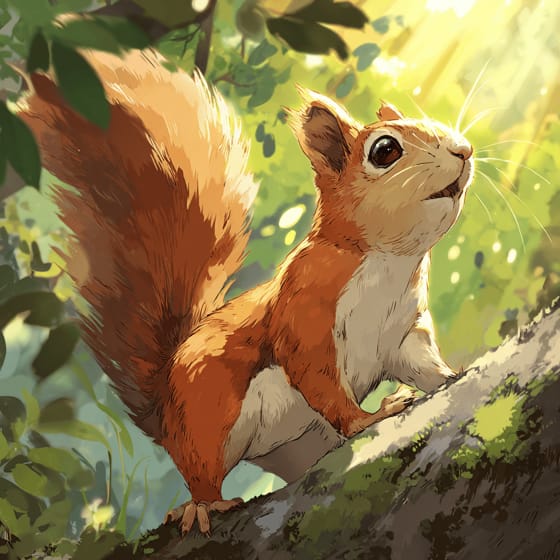
Sciurus carolinensis
Eastern gray squirrels occasionally nibble on various types of mushrooms.
Spore-producing organisms reproduce by releasing small, often single-celled, reproductive units called spores.
Forest habitats are terrestrial environments dominated by dense tree cover, supporting a high diversity of plant and animal life.
Giant describes organisms or objects of significantly larger size than average for their species or type.
Danger
1/5 · Very low
Do not pick or eat anything you find. Some plants and mushrooms can be harmful.
The easiest way to identify Giant Puffball is to use the Snappit nature identifier app.
10-70 cm
edible
10-70 cm
In fields and forests
soil
Summer-fall
Olive-brown
Zoom in to split clusters and explore where this object has been snapped.
Take the discovery with you
Snap it with Snappit to identify it, learn what makes it special, and add the discovery to your collection.