





Bluebottle Fly
Calliphora vomitoria
The Bluebottle Fly is a shiny blue fly that is often seen buzzing around. They are important for breaking down waste in nature!
Habitat: Gardens, farms, and urban areas
The Bluebottle Fly has a stout, hairy body with a striking metallic blue or greenish-blue sheen. It has large, prominent reddish-brown compound eyes, which are quite noticeable. Its transparent wings help distinguish it from smaller, duller houseflies.
Category
InsectsRarity
Common
Danger
2/5 · Low
Snaps
Be the first to snap!
Bluebottle flies can buzz their wings up to 180 times every second.
Forensic scientists use bluebottle flies to estimate how long ago someone died.
Their powerful compound eyes have thousands of tiny lenses for wide vision.
They taste their food with special receptors located on their feet!
Bluebottle Flies can detect decaying meat from miles away because of highly sensitive antennae that help them find food and lay eggs quickly.
Bluebottle Flies can lay hundreds of eggs on rotting food within minutes, allowing their larvae to quickly grow and thrive.
Bluebottle Fly larvae (maggots) can clean wounds by eating only dead tissue, which helps doctors treat certain infections.
Adult flies sip on sweet liquids and rotting matter; larvae eat decaying flesh.
Age differences: Larvae eat decaying meat, while adults feed on various liquids.
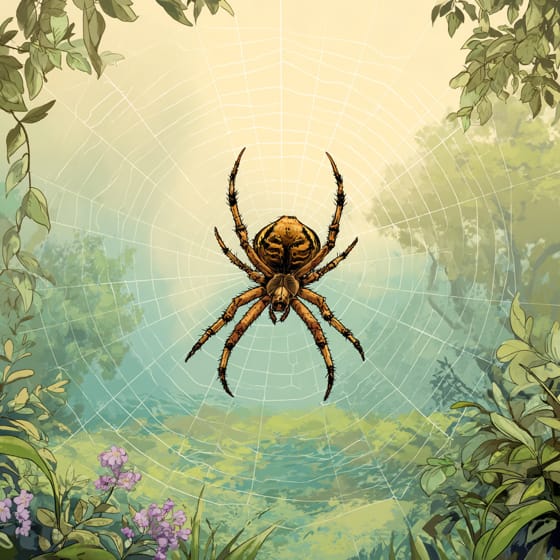
Araneus diadematus
Spiders often trap bluebottles in their sticky webs.
%2C_Parc_de_Woluw%C3%A9%2C_Brussels_(13042792905).jpg&width=800)
Parus major
Birds like tits will snatch flies as a quick meal.
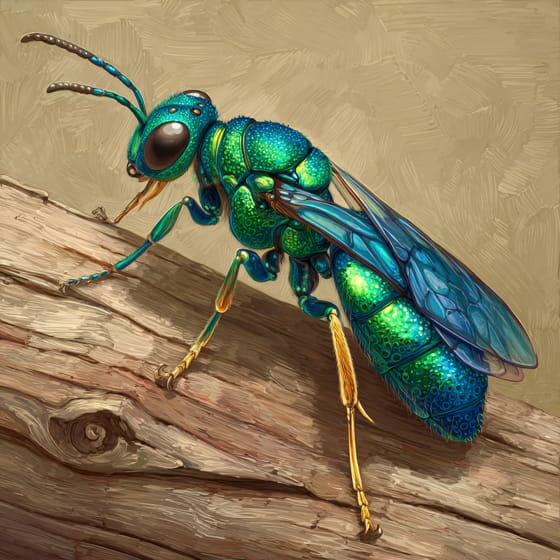
Nasonia vitripennis
This tiny wasp lays its eggs inside bluebottle fly pupae.
Rana temporaria
Frogs snap up bluebottles as they fly by.
Wildlife encompasses all undomesticated animal and plant life existing in their natural habitats.
This trait identifies organisms whose diet includes both plant and animal matter.
Describes plants that are particularly attractive and beneficial to a wide range of pollinating organisms.
Describes organisms that break down dead organic material, recycling nutrients back into the ecosystem.

Diurnal animals are primarily active during daylight hours, typically resting or sleeping at night.

This habitat trait indicates species that can coexist with humans in urban and suburban environments, utilizing man-made structures and green spaces.
Danger
2/5 · Low
Do not touch or pick up. Some insects sting or bite. Ask an adult for help.
The easiest way to identify Bluebottle Fly is to use the Snappit nature identifier app.
12-20 mm
6-12 mm
15-25 days
15 km/h
Adult flies sip on sweet liquids and rotting matter; larvae eat decaying flesh.
Gardens, farms, and urban areas
Scavenging
Zoom in to split clusters and explore where this object has been snapped.
Recent snaps will appear here as new observations are added.
Take the discovery with you
Snap it with Snappit to identify it, learn what makes it special, and add the discovery to your collection.








.jpg&width=800)




