




Jewel Wasp
Chrysididae
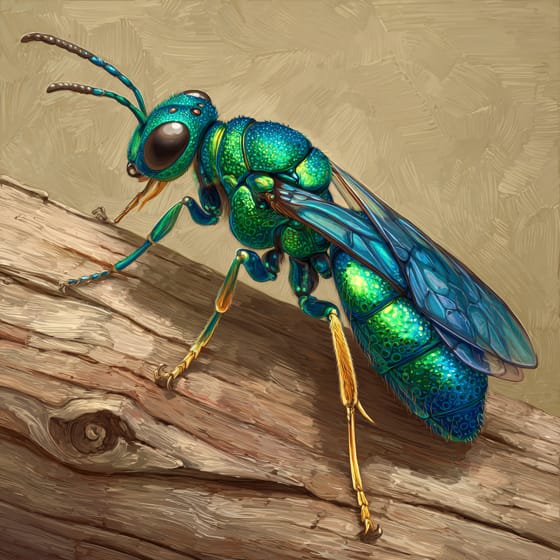
The Jewel Wasp is a small, colorful insect that looks like a shiny gem! They are fascinating to watch as they fly around.
Habitat: Gardens and meadows
The Jewel Wasp has a stunning, metallic exoskeleton that shimmers with brilliant greens, blues, reds, or golds, making it look like a tiny flying gem. Its body is often flattened and heavily sculptured, quite different from the slender bodies of many other wasps. This robust, jewel-like appearance helps it stand out.
Category
InsectsRarity
Rare
Danger
3/5 · Moderate
Snaps
Be the first to snap!
Jewel Wasps don't sting humans, but they can give a small defensive nip if grabbed!
Some Jewel Wasps lay their eggs on caterpillars, turning them into food for their young!
Their dazzling colors aren't just for show; they help the wasps blend in or warn predators.
They are often called 'cuckoo wasps' because they sneak their eggs into other insects' nests!
Jewel Wasp has an extremely tough exoskeleton and can curl into a tight ball, protecting itself like a tiny armored tank.
Jewel Wasp can chew through tough mud or wood to break into other insects' nests where it lays its own eggs.
Jewel Wasp can sneak its eggs into a host's nest, ensuring its young have a fresh meal of host larvae ready to eat.
Adult Jewel Wasps drink nectar, but their larvae are sneaky insectivores, eating other insect larvae!
Age differences: Adult Jewel Wasps feed on nectar and plant sap, while their larvae are parasitic, consuming the larvae and provisions of host insects.
.jpg&width=800)
Osmia bicornis
Lays eggs in their nests, where young feed on bee larvae.
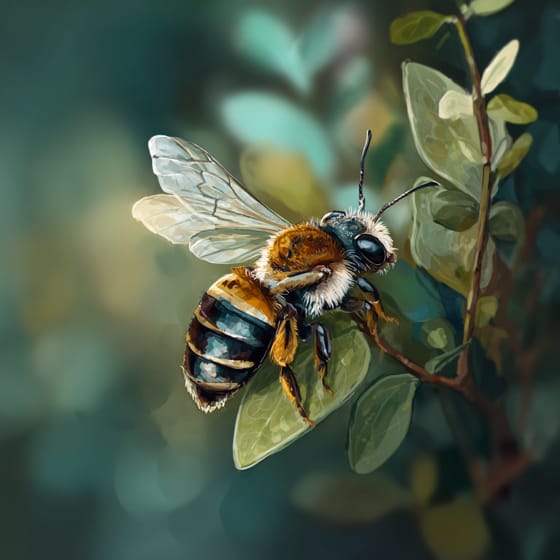
Megachile centuncularis
Their young consume the larvae and provisions stored by these bees.
%2C_Parc_de_Woluw%C3%A9%2C_Brussels_(13042792905).jpg&width=800)
Parus major
Birds sometimes catch adult jewel wasps as a food source.
Araneus diadematus
Spiders may prey on jewel wasps caught in their webs.
Wildlife encompasses all undomesticated animal and plant life existing in their natural habitats.
Colorful describes organisms or objects displaying a wide range of bright and distinct colors.
This trait characterizes organisms whose diet consists entirely or primarily of plant material.
Diurnal animals are primarily active during daylight hours, typically resting or sleeping at night.

Describes organisms that transfer pollen, enabling the fertilization and reproduction of plants.
Danger
3/5 · Moderate
Do not touch or pick up. Some insects sting or bite. Ask an adult for help.
The easiest way to identify Jewel Wasp is to use the Snappit nature identifier app.
8-25 mm
4-12 mm
15-40 days
15 km/h
Adult Jewel Wasps drink nectar, but their larvae are sneaky insectivores, eating other insect larvae!
Gardens and meadows
6
Zoom in to split clusters and explore where this object has been snapped.
Recent snaps will appear here as new observations are added.
Take the discovery with you
Snap it with Snappit to identify it, learn what makes it special, and add the discovery to your collection.








.jpg&width=800)



