





Bumblebee
Bombus
Bumblebees are fuzzy and friendly insects that buzz around flowers. They are great at pollinating plants!
Habitat: Gardens and meadows
The Bumblebee has a distinctly round, fuzzy body, often adorned with bold black and yellow (or sometimes orange/white) stripes. Its short wings and compact shape make it look much stockier and fluffier than slender honeybees. Unlike wasps, it lacks a noticeable 'waist' and its body is covered in dense hairs.
Category
InsectsRarity
Common
Danger
3/5 · Moderate
Snaps
Be the first to snap!
A bumblebee's wings beat about 200 times per second, making that famous buzzing sound!
Bumblebees can see colors, including ultraviolet light, which helps them spot hidden patterns on flowers.
Some queen bumblebees can live for up to a year, starting a new colony all by herself!
They don't make honeycombs; instead, they store nectar in wax pots and pollen in small chambers.
Bumblebee can vibrate its flight muscles to shake pollen loose from flowers because of sonication, which helps them collect more food.
Bumblebee has a special ability to warm up its body, allowing it to fly and forage even when it's too chilly for other bees.
Bumblebee can remember complex flight routes and flower locations because of its excellent spatial memory, finding its way home.
Bumblebee has a long, straw-like tongue to reach deep nectar stores in many types of flowers, getting food others can't.
They feast on flower nectar for energy and pollen for protein to grow big and strong.

Trifolium pratense
A primary pollinator for this important agricultural crop.
Aquilegia canadensis
Their long tongues can reach nectar deep within its spurs.
Physocephala tibialis
Larvae develop inside the bumblebee, killing the host.
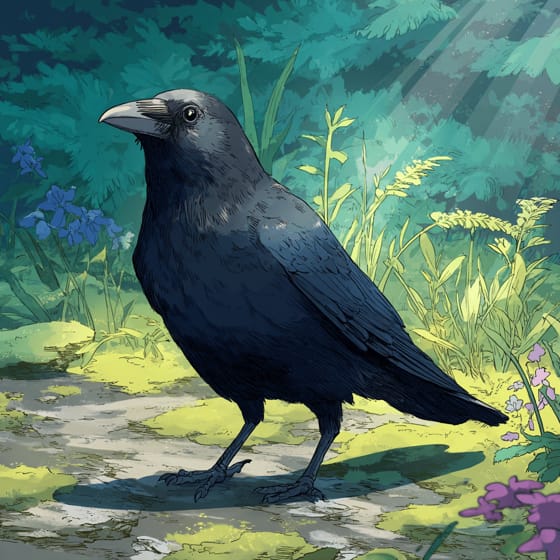
Corvus brachyrhynchos
Crows and other birds may catch them for food.
Wildlife encompasses all undomesticated animal and plant life existing in their natural habitats.
Social animals live in organized groups, cooperating for survival benefits such as foraging, defense, and raising offspring.
This trait characterizes organisms whose diet consists entirely or primarily of plant material.
Nocturnal animals are primarily active during the nighttime hours, typically resting or sleeping during the day.

Describes organisms that transfer pollen, enabling the fertilization and reproduction of plants.
Danger
3/5 · Moderate
Do not touch or pick up. Some insects sting or bite. Ask an adult for help.
The easiest way to identify Bumblebee is to use the Snappit nature identifier app.
25-60 mm
10-25 mm
14-42 days
15 km/h
They feast on flower nectar for energy and pollen for protein to grow big and strong.
Gardens and meadows
Foraging
Zoom in to split clusters and explore where this object has been snapped.
Recent snaps will appear here as new observations are added.
Take the discovery with you
Snap it with Snappit to identify it, learn what makes it special, and add the discovery to your collection.








.jpg&width=800)




