





Caddisfly
Temnocephala caddisflyi Amato, Amato, Seixas, Vidigal &
Caddisflies are tiny insects that build cozy homes from twigs and leaves. They are often found in clean water.
Habitat: Freshwater habitats
The Caddisfly is a small, moth-like insect, typically sporting drab brown, grey, or black colors. Unlike moths, their wings are covered in tiny hairs and held tent-like over their body at rest. They possess long, slender antennae that often extend beyond their body length.
Category
InsectsRarity
Common
Danger
2/5 · Low
Snaps
Be the first to snap!
Adult caddisflies have hairy wings, which helps them sense the world around them at night!
Scientists can tell how healthy a stream is by counting the types of caddisflies living there!
Some larvae glue together their homes with amazing silk, making them tiny underwater artists!
When scared, a caddisfly larva can pull completely into its case, like a snail into its shell!
Caddisfly larvae can build protective cases from twigs, sand, or pebbles using silk, which helps them hide from predators.
Some caddisfly larvae spin silk nets underwater to catch tiny food particles, helping to clean the water.
Caddisflies are sensitive to pollution, and their presence helps scientists understand how clean a water body is.
Caddisfly larvae eat algae, decaying plants, and tiny insects, while adults often eat very little.
Age differences: Larvae have diverse diets; adults typically feed little or not at all.
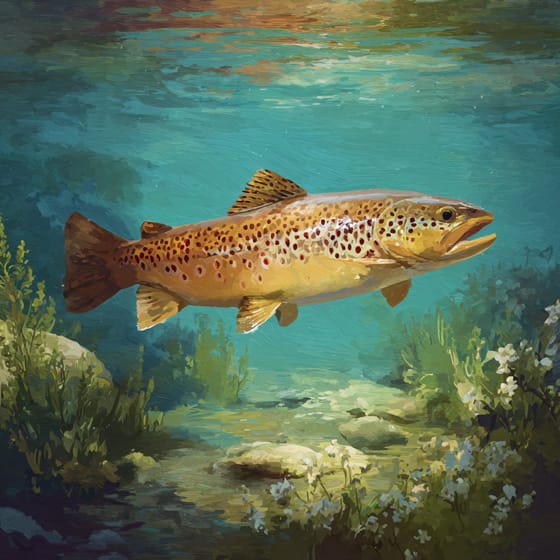
Salmo trutta
Trout feast on caddisfly larvae and adults.
Anax junius
Dragonfly nymphs often hunt caddisfly larvae.
Spirogyra maxima
Larvae graze on filamentous algae like Spirogyra.
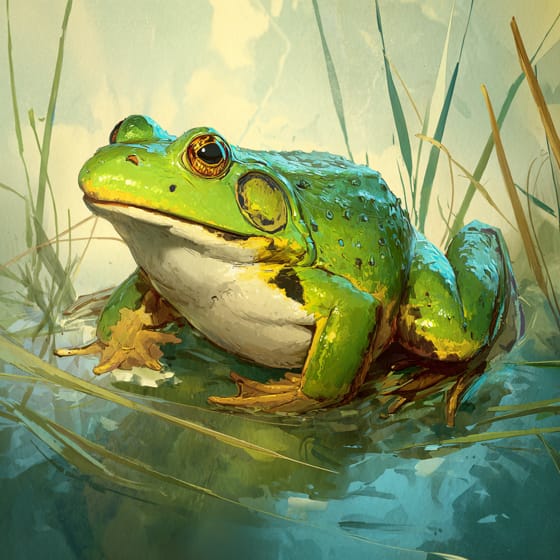
Rana clamitans
Adult caddisflies are a snack for hungry frogs.
Wildlife encompasses all undomesticated animal and plant life existing in their natural habitats.
This trait characterizes organisms that construct elaborate silken webs for catching prey, shelter, or reproduction.
Filter feeders obtain nutrients by straining suspended food particles and small organisms from water.
This trait characterizes organisms whose diet consists entirely or primarily of plant material.

Freshwater habitats include non-saline aquatic environments such as rivers, lakes, ponds, and wetlands, vital for numerous species.

Nocturnal animals are primarily active during the nighttime hours, typically resting or sleeping during the day.
Danger
2/5 · Low
Do not touch or pick up. Some insects sting or bite. Ask an adult for help.
The easiest way to identify Caddisfly is to use the Snappit nature identifier app.
10-50 mm
5-30 mm
30-365 days
8 km/h
Caddisfly larvae eat algae, decaying plants, and tiny insects, while adults often eat very little.
Freshwater habitats
Foraging
Zoom in to split clusters and explore where this object has been snapped.
Recent snaps will appear here as new observations are added.
Take the discovery with you
Snap it with Snappit to identify it, learn what makes it special, and add the discovery to your collection.








.jpg&width=800)




