





Green Bottle Fly
Lucilia sericata
The Green Bottle Fly is a shiny green insect that helps decompose dead animals. They are often found near compost heaps!
Habitat: Gardens, farms, and urban areas
The Green Bottle Fly is a medium-sized fly, famous for its brilliant, iridescent metallic green or blue-green body. It has large, reddish-brown compound eyes and clear wings, distinguishing it from other duller flies.
Category
InsectsRarity
Common
Danger
2/5 · Low
Snaps
5
A single female fly can lay hundreds of eggs in one go!
Scientists use these flies to help solve crimes by estimating time of death!
Their maggots are sometimes used by doctors to clean serious wounds!
They taste with their feet to decide if something is good to eat!
Green Bottle Fly can sniff out decaying meat from miles away because of super-sensitive antennae that help them find food and lay eggs.
Green Bottle Fly can fly quickly and erratically because of powerful wing muscles that help them dodge predators and move between food sources.
Green Bottle Fly larvae can clean wounds by eating dead tissue because of special digestive enzymes that help them remove infection.
Adults feast on sweet nectar, while their larvae are nature's tiny clean-up crew, munching on decaying things.
Age differences: Larvae (maggots) feed exclusively on decaying organic matter; adults primarily feed on nectar and sugary liquids.
Ovis aries
Causes 'blowfly strike' by laying eggs in wounds or damp wool.
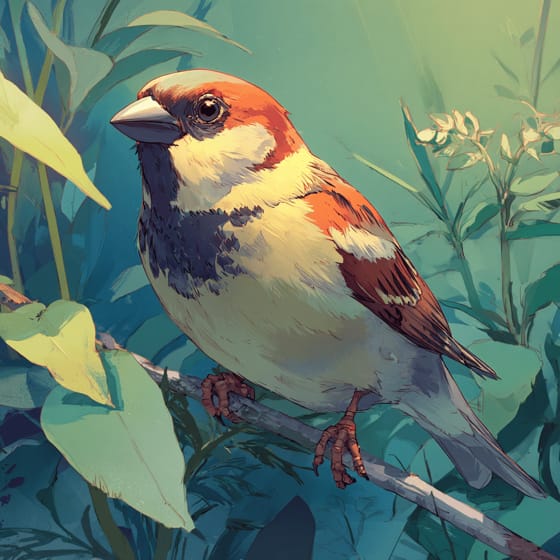
Passer domesticus
Common bird predators will snatch them from the air as a meal.
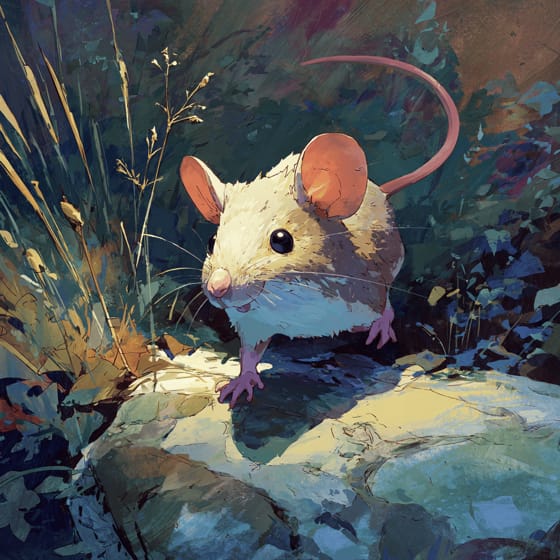
Mus musculus
Their larvae (maggots) consume the decaying flesh of dead mice.
Wildlife encompasses all undomesticated animal and plant life existing in their natural habitats.
Colorful describes organisms or objects displaying a wide range of bright and distinct colors.
Describes organisms that break down dead organic material, recycling nutrients back into the ecosystem.
Diurnal animals are primarily active during daylight hours, typically resting or sleeping at night.

This habitat trait indicates species that can coexist with humans in urban and suburban environments, utilizing man-made structures and green spaces.
Danger
2/5 · Low
Do not touch or pick up. Some insects sting or bite. Ask an adult for help.
The easiest way to identify Green Bottle Fly is to use the Snappit nature identifier app.
15-25 mm
8-10 mm
15-30 days
10-15 km/h
Adults feast on sweet nectar, while their larvae are nature's tiny clean-up crew, munching on decaying things.
Gardens, farms, and urban areas
Foraging
Zoom in to split clusters and explore where this object has been snapped.

Wisconsin, US
You might spot Turkey, White-Tailed Deer, and Dame's Rocket.
View guide →

Colorado, US
You might spot Eastern Fox Squirrel, Bee, and Duck.
View guide →

West Virginia, US
You might spot Virginia Bluebells, Bloodroot, and Maidenhair Spleenwort.
View guide →

Maryland, US
You might spot American Robin, Mourning Dove, and Northern Cardinal.
View guide →

Indiana, US
You might spot American Pokeweed, Monarch, and Chinese Mantis.
View guide →
Take the discovery with you
Snap it with Snappit to identify it, learn what makes it special, and add the discovery to your collection.









.jpg&width=800)



