





California Newt
Taricha torosa
The California Newt is a friendly little creature that loves to splash around in ponds and streams. With its smooth skin and bright orange belly, it's a fun sight to see!
Habitat: Wetlands and forests in California
The California Newt has rough, granular skin that ranges from dark brown to reddish-brown on its back. Its belly is a striking bright orange or yellow, a vibrant contrast to its dark top. This distinct coloration makes it easily identifiable.
Category
AmphibiansRarity
Common
Danger
2/5 · Low
Snaps
10
Ancient newt fossils show they've been around for over 65 million years!
Enough toxin to harm many humans hides in just one newt's skin!
Even as adults, they can breathe underwater right through their skin!
They often return to the exact same puddle where they were born to lay eggs!
California Newts can regrow lost limbs, tails, and even eye lenses, helping them recover from injuries quickly.
California Newts has a unique posture to flash their bright, toxic belly, warning predators to stay away.
These tiny hunters feast on small creepy crawlies both on land and in water!
Age differences: Larvae eat smaller aquatic invertebrates; adults eat a broader range of terrestrial and aquatic invertebrates.

Thamnophis atratus
One of few predators resistant to its toxins.
Limax maximus
Newts feast on these slow-moving mollusks.
Chironomus plumosus
Newt larvae and adults consume these aquatic insects.
Wildlife encompasses all undomesticated animal and plant life existing in their natural habitats.
This trait identifies organisms whose diet primarily consists of insects and other small invertebrates.
This trait characterizes organisms with an exceptionally long lifespan compared to others of their kind.
This habitat trait identifies species found in wetlands, which are areas of land saturated with water, either permanently or seasonally, including marshes, swamps, and bogs.

Freshwater habitats include non-saline aquatic environments such as rivers, lakes, ponds, and wetlands, vital for numerous species.

Nocturnal animals are primarily active during the nighttime hours, typically resting or sleeping during the day.
Danger
2/5 · Low
Look but don’t touch. Keep a safe distance and wash hands after exploring.
The easiest way to identify California Newt is to use the Snappit nature identifier app.
12.5-20 cm
0.02-0.05 kg
10-20 years
0.5 km/h
These tiny hunters feast on small creepy crawlies both on land and in water!
Wetlands and forests in California
Foraging
Zoom in to split clusters and explore where this object has been snapped.
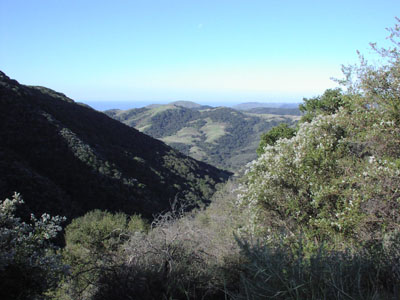
California, US
You might spot Western Fence Lizard and Canyon Sunflower.
View guide →

California, US
You might spot Giraffes, African Lion, and Gorilla.
View guide →
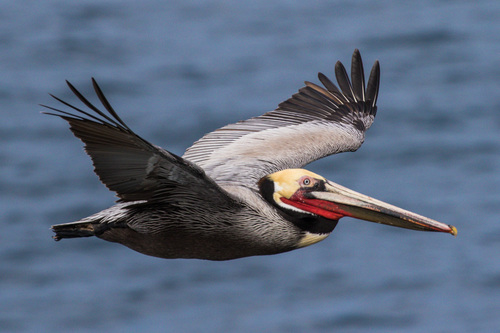
California, US
You might spot Brown Pelican, Black-Crowned Night Heron, and Western Gull.
View guide →

California, US
You might spot Western Redbud and Harlequin Lupine.
View guide →
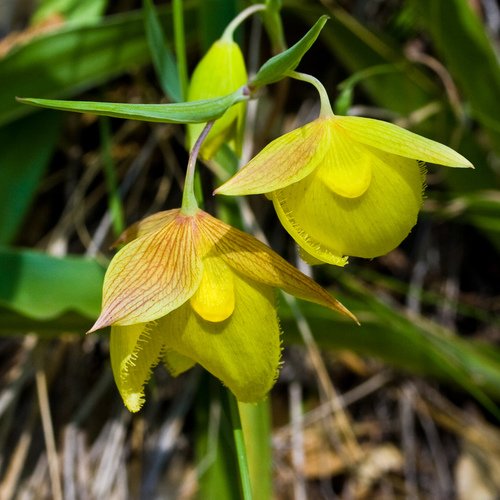
California, US
You might spot Mount Diablo Fairy-Lantern and Western Fence Lizard.
View guide →

California, US
You might spot Brown Pelican, Western Fence Lizard, and Duck.
View guide →
Take the discovery with you
Snap it with Snappit to identify it, learn what makes it special, and add the discovery to your collection.










.JPG&width=800)



.jpg&width=800)
