Western Fence Lizard
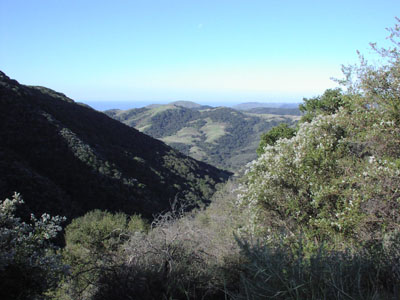
Gaviota State Park is a breathtaking coastal gem located approximately 30 miles west of Santa Barbara, where the rugged Santa Ynez Mountains dramatically meet the Pacific Ocean.
Gaviota State Park is a breathtaking coastal gem located approximately 30 miles west of Santa Barbara, where the rugged Santa Ynez Mountains dramatically meet the Pacific Ocean. This unique California state park offers a remarkable blend of pristine coastline, rolling hills, and diverse ecosystems, making it a truly special destination. Known for its striking natural beauty and rich cultural history, Gaviota provides visitors with an opportunity to explore the confluence of land and sea in an ecologically significant area that forms part of the larger protected Gaviota Coast and the newly designated Chumash Heritage National Marine Sanctuary.
The park boasts miles of scenic trails winding through oak woodlands, chaparral, and coastal sage scrub, offering stunning panoramic vistas, including challenging climbs to Gaviota Peak that reward with sweeping views of the Pacific Ocean and the Channel Islands. A prominent and historic feature is the iconic Southern Pacific railroad trestle, a marvel of engineering that crosses Gaviota Creek and serves as a picturesque backdrop for beach activities. Along the shoreline, visitors can explore sandy beaches, observe diverse marine life, and keep an eye out for various terrestrial species such as the common Western Fence Lizard, Mule Deer, and the vibrant California Scrub-Jay. The park's varied habitats are also home to unique flora like the canyon sunflower, coast morning glory, and California sagebrush.
Gaviota State Park is an unforgettable destination for those seeking both adventure and tranquility, offering a wide array of activities from active exploration to serene relaxation. Its unique geographical position, where northern and southern ecological zones converge, creates an exceptionally biodiverse environment that promises exceptional wildlife viewing opportunities. The blend of majestic mountain backdrops, sweeping ocean views, a historic railroad trestle, and the chance to discover a rich tapestry of California's native species makes Gaviota State Park a truly memorable and inspiring visit. Eager to name that creature? Identify any animal you find during your visit using the Snappit app.
Gaviota State Park holds a history as captivating as its landscape. For thousands of years, this region was part of the ancestral homeland of the Chumash people, who lived in deep connection with the land and ocean. The area received its name, "La Gaviota," which is Spanish for "the seagull," in 1769 when soldiers of the Portolá expedition reportedly hunted a seagull during their encampment here. The late 19th and early 20th centuries saw significant development, including the completion of the 811-foot railroad trestle over Gaviota Creek in 1898, which by 1901 connected San Francisco and Los Angeles by rail. Gaviota State Park itself was established in 1952 when Santa Barbara County transferred the main beach area to the State of California. The park even gained a touch of cinematic fame when it was featured in the Oscar-nominated movie "Sideways" in 2004.
Swim, picnic, surf fish, or simply relax by the ocean.
Wildlife Viewing: Keep an eye out for Mule Deer in the inland areas, various bird species like Turkey Vultures, and smaller mammals such as Western Gray Squirrels. The park's diverse ecosystems support many unique plant species.
Camping: Stay overnight in the campground (reservations recommended).
Photography: Capture the dramatic coastline, the historic trestle, and diverse flora and fauna like the vibrant canyon sunflower.
Strong winds are common, especially in the late afternoon. Spring brings vibrant wildflower displays. During the spring migration, Gray whales can sometimes be spotted from the coast (or the pier, when open). Camping is generally unavailable from October 1st to March 31st.
The park offers beach wheelchairs (reservations required) and ADA-compliant showers and restrooms within the campgrounds. Accessible parking and picnic tables are also available, and paved paths lead from the parking area to the beach and picnic facilities.
A historic pier offering coastal views and fishing opportunities when open. Note: The pier has been closed for repairs due to storm damage.
An iconic and active railroad trestle towering over Gaviota Creek and the beach.
A challenging hike leading to panoramic views of the Pacific Ocean and Channel Islands.
Natural sulfur springs accessible via a 2.5-mile hike from the parking lot.
Each card links to a full Explore page with photos, traits, and fun facts.
Start with the big picture, then zoom in to explore individual wildlife observations around this place.
Check Wind Advisories
Gaviota is known for strong winds, particularly in the late afternoon. Check the weather forecast before your visit and dress in layers.
Stay Hydrated and Prepared
Bring plenty of water, especially for hikes to Gaviota Peak or the Hot Springs. Sunscreen, hats, and appropriate footwear are also essential.
Wildlife Awareness
Stay on marked trails to avoid potential encounters with rattlesnakes, which are common in brushy areas. Be aware that mountain lions and American Black Bears are occasionally present in the backcountry.
Secure Food
Coastal birds, like seagulls and Turkey Vultures, are quick to scavenge unattended food, so keep all food secured in coolers or vehicles.
Respect Natural Resources
As a protected state park, collecting shells, driftwood, or rocks is prohibited to preserve the ecosystem.
Plan for Camping
If you plan to camp, make reservations well in advance, especially during the April to September season, as sites fill up quickly.
Recent snaps will appear here as new observations are added.

Maryland, US
You might spot White-Tailed Deer and Eastern Gray Squirrel.
View guide →
.jpg)
District of Columbia, US
You might spot Eastern Gray Squirrel, Duck, and House Sparrow.
View guide →

Illinois, US
You might spot American Robin, Canada Goose, and House Sparrow.
View guide →

Virginia, US
You might spot Spotted Lanternfly and Northern Cardinal.
View guide →
Take the discovery with you
Identify the wildlife you spot, learn as you go, and keep a collection of the adventure.