





Common Millipede
Julidae
The Common Millipede is a little worm-like creature that has many legs. They help break down dead plants and keep the soil healthy!
Habitat: Moist soil and leaf litter
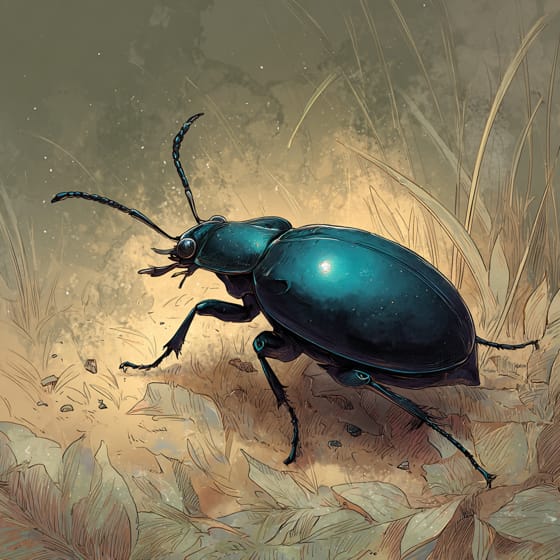
The Common Millipede has a cylindrical, segmented body that is typically dark brown, black, or gray. It is visually distinct from centipedes by having two pairs of legs on most body segments, giving it a slower, more deliberate gait.
Category
InsectsRarity
Common
Danger
2/5 · Low
Snaps
Be the first to snap!
Millipedes help recycle dead leaves and wood, keeping forests healthy.
Some species of millipedes can actually glow in the dark under UV light!
The name "millipede" means "thousand feet," but most have fewer!
They use their short antennae to sniff out decaying food in the soil.
Common Millipede can curl into a tight defensive coil because of its flexible segmented body that helps them protect their soft underside from predators.
Common Millipede has glands that produce a foul-smelling liquid because of special pores that helps them deter hungry attackers like birds and ants.
Common Millipede can burrow into soil and leaf litter because of its strong, numerous legs that helps them find food, moisture, and shelter.
They are nature's clean-up crew, munching on dead plants and decaying organic matter.
Wildlife encompasses all undomesticated animal and plant life existing in their natural habitats.
Burrowing animals dig tunnels and chambers in the ground, using these subterranean structures for shelter, hunting, or breeding.
This trait characterizes organisms whose diet consists entirely or primarily of plant material.
Forest habitats are terrestrial environments dominated by dense tree cover, supporting a high diversity of plant and animal life.

Nocturnal animals are primarily active during the nighttime hours, typically resting or sleeping during the day.
Danger
2/5 · Low
Do not touch or pick up. Some insects sting or bite. Ask an adult for help.
The easiest way to identify Common Millipede is to use the Snappit nature identifier app.
20-100 mm
730-1825 days
They are nature's clean-up crew, munching on dead plants and decaying organic matter.
Moist soil and leaf litter
Foraging
80
Zoom in to split clusters and explore where this object has been snapped.
Recent snaps will appear here as new observations are added.
Take the discovery with you
Snap it with Snappit to identify it, learn what makes it special, and add the discovery to your collection.









.jpg&width=800)



