





American Robin
Turdus migratorius
The American Robin is a friendly bird with a bright orange belly. They love to hop around looking for worms and berries to eat.
Habitat: Open fields, gardens, and forests
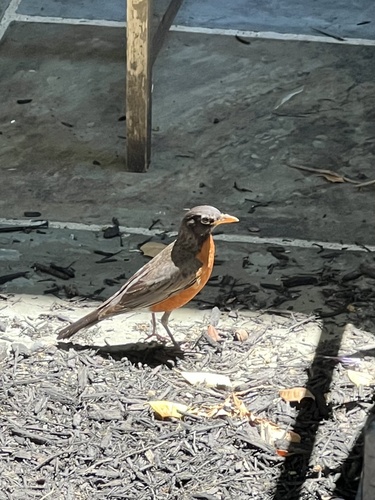
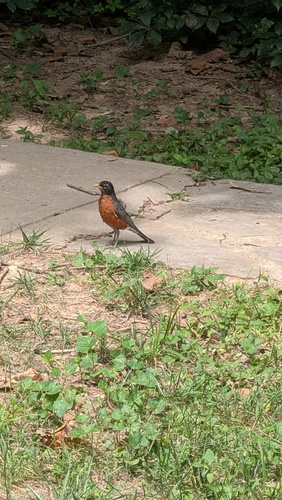
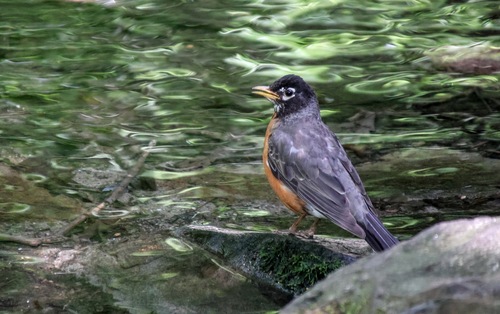
The American Robin has a distinctive dull gray back and a warm rusty-orange breast, with a dark head and white patches around its eyes and lower belly. Its bright yellow beak stands out against its dark face, making it easily recognizable.
Category
BirdsRarity
Common
Danger
1/5 · Very low
Snaps
1,413
Baby robins have spotted chests to help them camouflage in their nests.
Robins belong to the thrush family, not the finch family.
They are the state bird of Connecticut, Michigan, and Wisconsin.
They can sometimes get 'tipsy' from eating fermented berries!
American Robin can hear worms moving underground because of their keen hearing that helps them find hidden snacks.
American Robin has strong bills and feet that help them collect mud and grass to build sturdy, cup-shaped nests.
American Robin can digest a wide variety of berries because of their specialized system that helps them survive winter.
American Robin has a complex voice box that helps them sing many different melodies, especially at dawn.
These birds love munching on worms and insects, but also enjoy tasty fruits and berries!
Age differences: Young robins eat mostly insects for protein, while adults have a more varied diet including fruits.
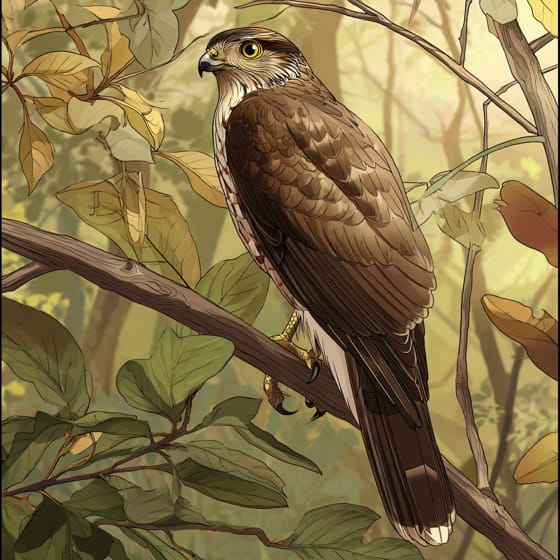
Accipiter cooperii
hunts adult robins for food
Lumbricus terrestris
primary food source in many habitats
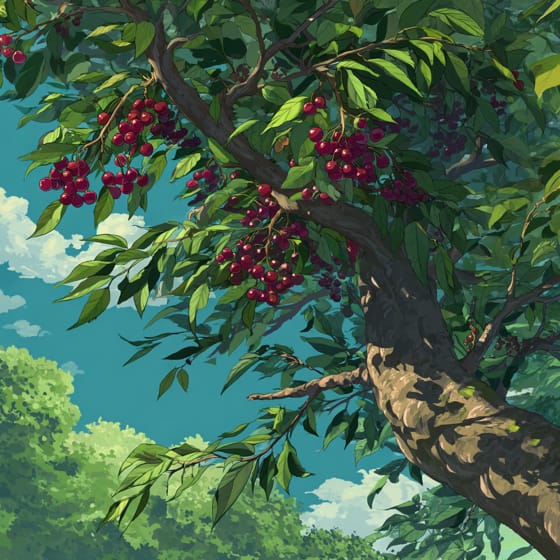
Prunus serotina
eats its fruit, especially in late summer
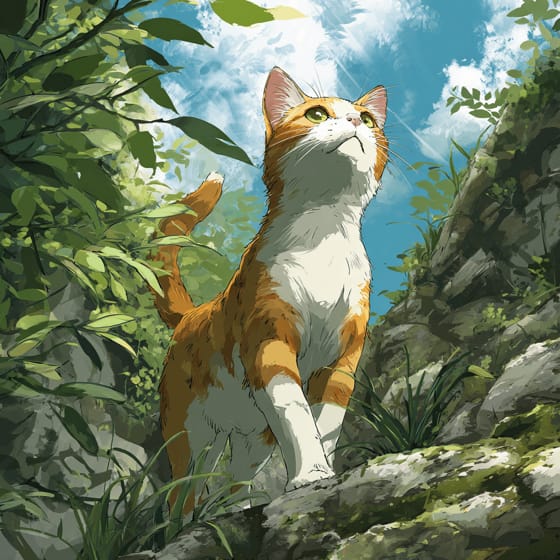
Felis catus
a common predator in suburban areas
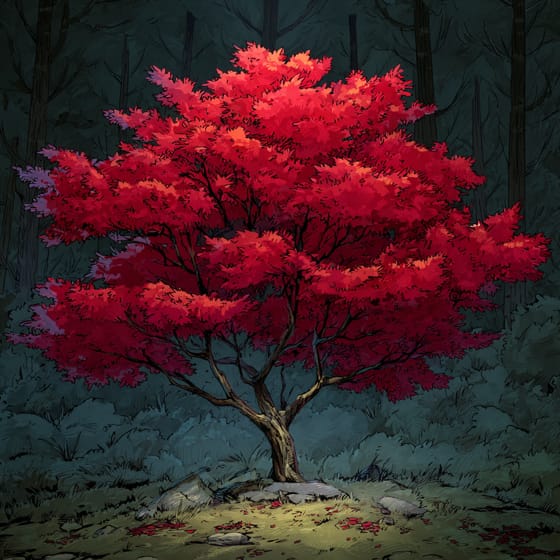
Acer rubrum
often builds nests in its branches
Wildlife encompasses all undomesticated animal and plant life existing in their natural habitats.
Feathered describes animals, primarily birds, possessing a covering of feathers.
This trait identifies organisms whose diet includes both plant and animal matter.
Singing animals produce complex vocalizations, often for purposes of attracting mates, defending territory, or communicating within their species.

Forest habitats are terrestrial environments dominated by dense tree cover, supporting a high diversity of plant and animal life.

Diurnal animals are primarily active during daylight hours, typically resting or sleeping at night.
Danger
1/5 · Very low
Robins are gentle creatures and are safe to watch from a distance.
The easiest way to identify American Robin is to use the Snappit nature identifier app.
20-28 cm
31-40 cm
0.07-0.085 kg
1-6 years
55 km/h
These birds love munching on worms and insects, but also enjoy tasty fruits and berries!
Open fields, gardens, and forests
Zoom in to split clusters and explore where this object has been snapped.
Jun 19, 2026
BloomingdalePhoto attribution
(c) Frederick Nunley, some rights reserved (CC BY)
License: CC BY 4.0 ↗
Image may be shown cropped inside the card frame.
Jun 19, 2026
Cleveland ParkPhoto attribution
(c) Martin Kalfatovic, some rights reserved (CC BY)
License: CC BY 4.0 ↗
Image may be shown cropped inside the card frame.
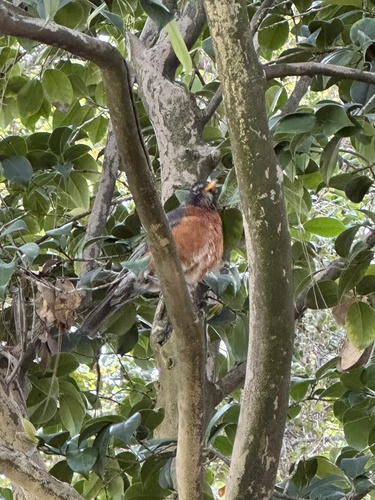
Jun 18, 2026
Desert Garden ConservatoryPhoto attribution
(c) Adam Petrucco, some rights reserved (CC BY)
License: CC BY 4.0 ↗
Image may be shown cropped inside the card frame.
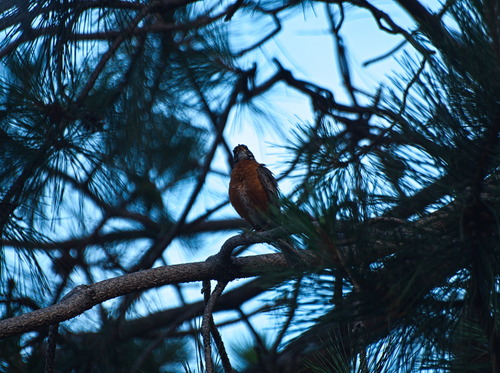
Jun 11, 2026
Four CornersPhoto attribution
(c) Yoatzin Peñaflor, some rights reserved (CC BY)
License: CC BY 4.0 ↗
Image may be shown cropped inside the card frame.
Jun 6, 2026
Henderson Place Historic DistrictPhoto attribution
(c) cappycollins, some rights reserved (CC BY)
License: CC BY 4.0 ↗
Image may be shown cropped inside the card frame.

New Jersey, US
You might spot Garlic Mustard, Sensitive Fern, and Common Mugwort.
View guide →

Alabama, US
You might spot Elf Orpine, Canada Goose, and Leatherleaf Mahonia.
View guide →

New York, US
You might spot Sundial Lupine, Spotted Horsemint, and New Jersey Tea.
View guide →

Ohio, US
You might spot Eastern Fox Squirrel and Spotted Lanternfly.
View guide →

Tennessee, US
You might spot House Sparrow, Northern Mockingbird, and Gulf Fritillary.
View guide →

Massachusetts, US
You might spot Eastern White Pine and Common Eastern Bumble Bee.
View guide →
Take the discovery with you
Snap it with Snappit to identify it, learn what makes it special, and add the discovery to your collection.




.jpg&width=800)








