Electric Ray
Brazilian electric ray
The Electric Ray is a fascinating fish that can produce electric shocks to defend itself. It has a unique ability to generate electricity, making it a special creature of the sea.
Habitat: Coastal areas
The Electric Ray is a flattened fish with a rounded, disc-shaped body, typically mottled brown, gray, or yellowish to blend with the seabed. It has two small dorsal fins near its short, thick tail, and large spiracles behind its eyes.
Category
FishRarity
Common
Danger
3/5 · Moderate
Snaps
Be the first to snap!
Ancient Greeks and Romans used electric rays as living pain relievers!
Baby electric rays are born with the ability to shock.
Some rays can generate enough electricity to power light bulbs!
They have special muscle cells called electrocytes that create electricity.
Electric Ray can deliver powerful electric shocks using special organs to stun prey or defend itself.
Electric Ray has excellent camouflage that helps them hide on the seabed from both predators and prey.
Electric Ray can detect tiny electric fields emitted by other animals to find hidden prey.
This ray is a bottom-dwelling carnivore, eating small fish and invertebrates.
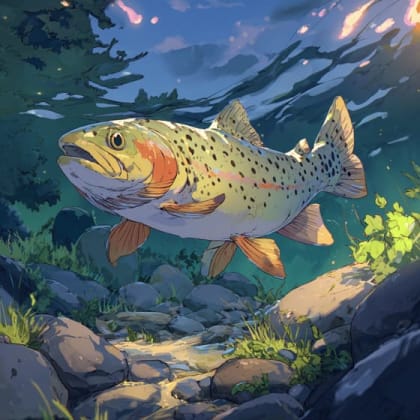
Litopenaeus setiferus
A common meal on the seabed
Fundulus grandis
Stuns this small fish with electricity
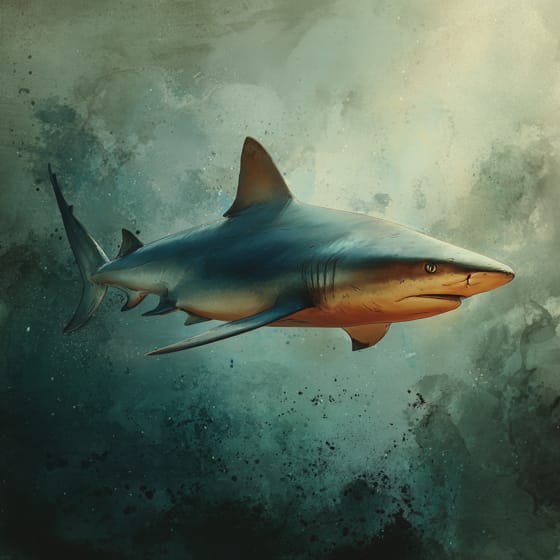
Carcharhinus leucas
A large predator of rays
Wildlife encompasses all undomesticated animal and plant life existing in their natural habitats.
Camouflaged describes organisms that possess coloring or patterns that allow them to blend into their environment.
Coastal habitats are dynamic environments located along the interface between land and sea, influenced by tides, waves, and saltwater.
This trait identifies organisms whose diet consists entirely or primarily of animal tissue.

This trait describes organisms capable of generating electric fields or electric shocks.

Aquatic habitats encompass environments where organisms live predominantly in water, including oceans, rivers, lakes, and wetlands.

Nocturnal animals are primarily active during the nighttime hours, typically resting or sleeping during the day.

Venomous organisms produce toxins that are injected into another animal, typically through a bite or sting.
No aliases listed yet.
Danger
3/5 · Moderate
Avoid touching or disturbing Electric Rays in the wild to stay safe.
The easiest way to identify Electric Ray is to use the Snappit nature identifier app.
20-46 cm
0.5-3 kg
5-10 years
This ray is a bottom-dwelling carnivore, eating small fish and invertebrates.
2 km/h
Coastal areas
Ambush
Zoom in to split clusters and explore where this object has been snapped.
Recent snaps will appear here as new observations are added.
Take the discovery with you
Snap it with Snappit to identify it, learn what makes it special, and add the discovery to your collection.