





Feather Reed Grass
Calamagrostis ×acutiflora (Schrad.) Rchb.
Feather Reed Grass is a lovely plant with soft, feathery flowers that look like little plumes. It grows in clumps and is great for gardens!
Habitat: Wetlands and meadows
The Feather Reed Grass has tall, narrow clumps of vibrant green foliage. Its most striking feature is the upright, feathery plumes that emerge purplish-pink, gradually changing to golden-tan, and remaining attractive well into winter.
Category
PlantsRarity
Common
Danger
1/5 · Very low
Snaps
Be the first to snap!
Even in winter, its golden plumes shimmer and catch the sunlight beautifully.
Its tall, slender form makes it look like a living exclamation mark in gardens.
Many varieties are named 'Karl Foerster' after a famous German horticulturist.
This grass is a hybrid, a mix of two different parent grasses!
Feather Reed Grass has strong, upright stems that remain standing through winter, providing lasting garden interest.
Its flexible stems and airy plumes allow it to sway gracefully in the breeze, preventing damage from strong winds.
Feather Reed Grass has deep, fibrous roots that help it tolerate various soil types and even some drought conditions.
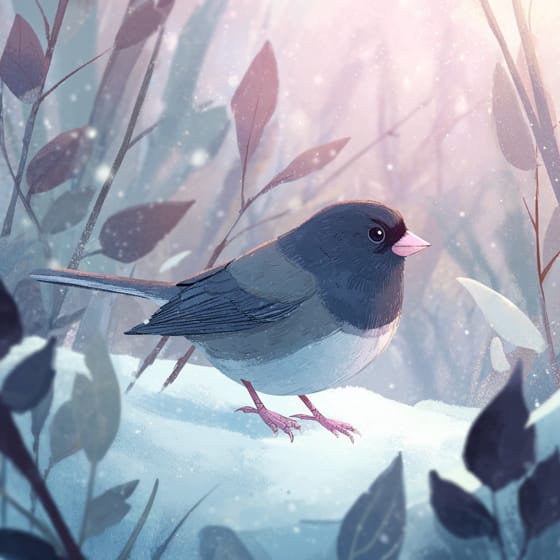
Junco hyemalis
finds winter cover among its sturdy stems.
Microtus pennsylvanicus
builds nests and hides at its base.
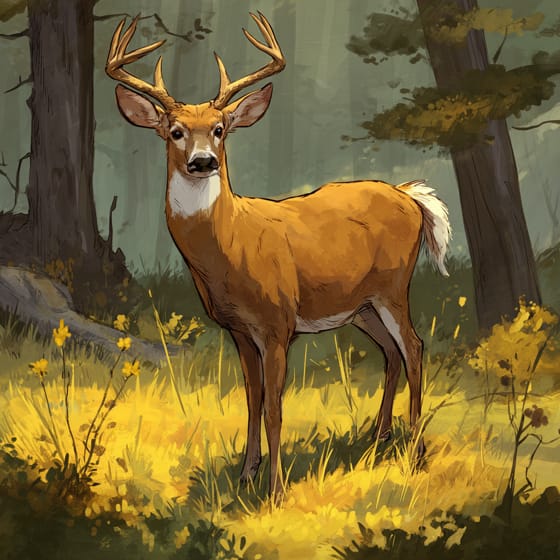
Odocoileus virginianus
browses young blades, especially in spring.
Grass-like plants are herbaceous plants that visually resemble true grasses, typically having long, narrow leaves.
Shade tolerant plants are adapted to grow and thrive in areas with low light levels, requiring less direct sunlight.
This habitat trait identifies species found in wetlands, which are areas of land saturated with water, either permanently or seasonally, including marshes, swamps, and bogs.
Danger
1/5 · Very low
Explore with care and ask an adult if you’re unsure what to do.
The easiest way to identify Feather Reed Grass is to use the Snappit nature identifier app.
90-180 cm
60-90 cm
Summer to fall
No
None
Perennial
Wind
Zoom in to split clusters and explore where this object has been snapped.
Recent snaps will appear here as new observations are added.
Take the discovery with you
Snap it with Snappit to identify it, learn what makes it special, and add the discovery to your collection.









.jpg&width=800)



_001.jpg&width=800)



