



Green-cracking Russula
Russula
The Green-cracking Russula is a bright green fungus that grows in shady places. It has a fun name because it can crack when you touch it!
Habitat: Forests
The Green-cracking Russula has a distinctive cap, usually olive to yellowish-green, which often develops a network of cracks with age, revealing white flesh underneath. Its stalk is white and stout, and the gills are also white, becoming creamier as it matures, setting it apart with its unique cracked green texture.
Category
FungiRarity
Common
Danger
1/5 · Very low
Snaps
Be the first to snap!
Even though it's green, this mushroom cannot make its own food!
It's an expert at sharing food with trees deep underground!
Its bumpy, cracked green cap makes it look like old mossy pavement!
Many animals, like squirrels, love to munch on this crunchy fungus!
Green-cracking Russula can share nutrients with forest trees because of an amazing underground root network.
Green-cracking Russula has a uniquely cracked green cap that helps it blend into leafy forest floors.
Green-cracking Russula can release millions of tiny spores into the air that helps new mushrooms grow far away.
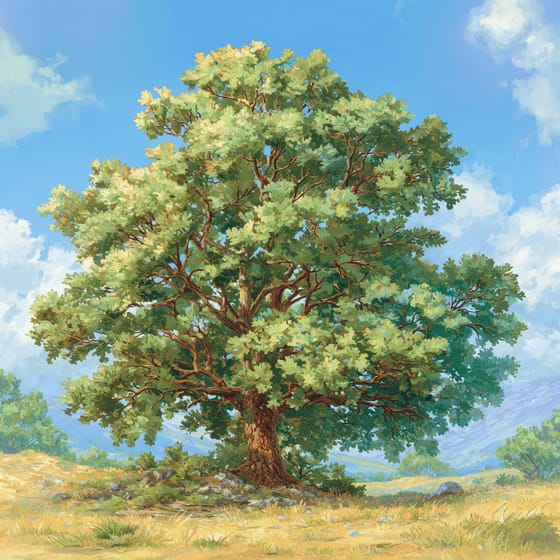
Quercus alba
Forms a mutually beneficial relationship
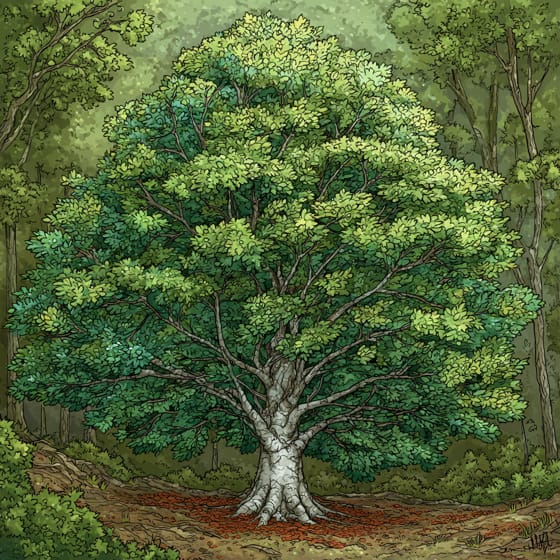
Fagus grandifolia
Exchanges nutrients with its roots

Betula lenta
Partners with this tree for nutrient uptake
Sciurus carolinensis
Squirrels forage for and eat this mushroom
Deciduous plants periodically shed all their leaves, typically during autumn or dry seasons.
Spore-producing organisms reproduce by releasing small, often single-celled, reproductive units called spores.
Forest habitats are terrestrial environments dominated by dense tree cover, supporting a high diversity of plant and animal life.
No aliases listed yet.
Danger
1/5 · Very low
Do not pick or eat anything you find. Some plants and mushrooms can be harmful.
The easiest way to identify Green-cracking Russula is to use the Snappit nature identifier app.
4-10 cm
edible
5-15 cm
Forests
soil
Summer to Fall
White
Zoom in to split clusters and explore where this object has been snapped.
Recent snaps will appear here as new observations are added.
Take the discovery with you
Snap it with Snappit to identify it, learn what makes it special, and add the discovery to your collection.