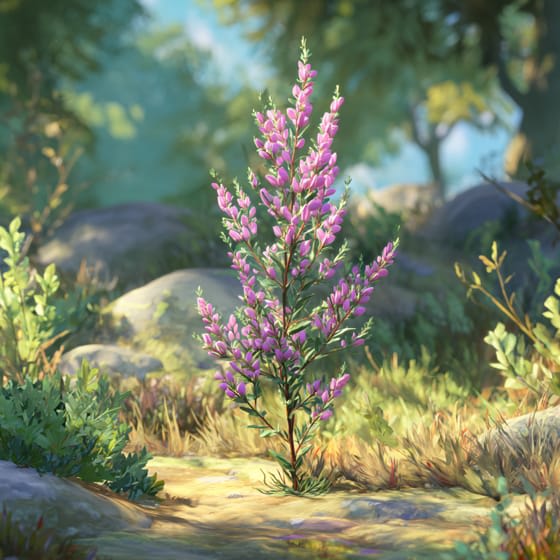





Heather
Calluna vulgaris
Heather is a lovely purple flower that grows in clumps. It adds color to hillsides and heathlands.
Habitat: Hillsides and heathlands
The Heather is a low-growing evergreen shrub with tiny, scale-like leaves densely packed along its woody stems. It boasts a profusion of small, bell-shaped flowers, typically vibrant purple, pink, or white, creating a carpet of colour. Its delicate yet abundant blooms distinguish it from other ground covers.
Category
PlantsRarity
Common
Danger
1/5 · Very low
Snaps
Be the first to snap!
Ancient people used heather to make dye, brooms, and even mattresses!
Heather honey is unique! It's jelly-like and packed with tiny air bubbles.
In Scotland, walking through heather is said to bring good luck!
Some heather can live for over 40 years, growing into twisted, ancient shrubs!
Heather has tough, leathery leaves that help it survive in nutrient-poor, acidic soils where other plants struggle.
Heather has hardy seeds or can re-sprout from its base after wildfires, helping it quickly recover burned areas.
Heather has tiny, scale-like leaves that reduce water loss, helping it survive in dry, windy, and exposed habitats.
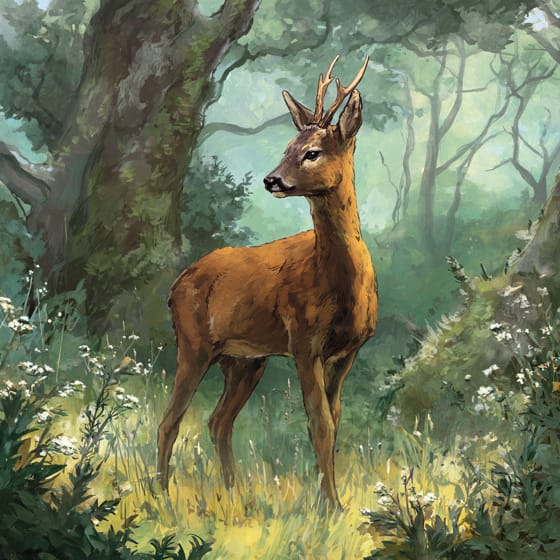
Capreolus capreolus
browses on young shoots
Apis mellifera
collects nectar for heather honey

Prunella modularis
uses dense growth for nesting
Flowering plants are any plants that produce flowers as part of their reproductive cycle.
A shrub is a woody plant smaller than a tree, typically with multiple stems branching from or near the ground.
Everblooming plants produce flowers continuously or in repeated flushes over a long period.
Fragrant flowers emit a pleasant aroma, often to attract pollinators or for defense.

Grassland habitats are terrestrial biomes dominated by grasses and herbaceous plants, supporting a variety of grazing animals.

Describes organisms that transfer pollen, enabling the fertilization and reproduction of plants.
Danger
1/5 · Very low
Explore with care and ask an adult if you’re unsure what to do.
The easiest way to identify Heather is to use the Snappit nature identifier app.
20-50 cm
30-80 cm
0.2-0.5 cm
Late Summer to Autumn
Yes
None
Perennial
Zoom in to split clusters and explore where this object has been snapped.
Recent snaps will appear here as new observations are added.
Take the discovery with you
Snap it with Snappit to identify it, learn what makes it special, and add the discovery to your collection.








.jpg&width=800)


_001.jpg&width=800)




